Zanzibar Beach Holiday 2026: Where the Indian Ocean Slows Time

Zanzibar Beach Holiday 2026: Where the Indian Ocean Slows Time
There is a moment that happens to many travellers in Zanzibar.
Usually on the second or third morning.
Not immediately.
The first day is often filled with arrival energy — flights, transfers, excitement, salt on the air, the brightness of the Indian Ocean almost too vivid to absorb properly. But then something changes.
You wake before sunrise.
The room is quiet except for the slow rotation of a ceiling fan and distant waves breaking beyond the palms. Somewhere outside, a fisherman is already walking the shoreline with his net over one shoulder. The tide has pulled far back during the night, exposing long reflective sandbanks where local women move slowly collecting seaweed beneath the soft blue dawn.
And for a few seconds, you forget what day it is.
Not because you are distracted.
Because Zanzibar changes your rhythm.
Time here stretches differently.
The island does not ask you to rush.
It does not compete for attention.
It pulls you into slower movement instead.
Coffee tastes slower.
Conversations become longer.
Sunsets feel important again.
For many travellers visiting Zanzibar in 2026, this is what stays with them most. Not only the beaches themselves — although they are extraordinary — but the feeling the island creates.
An atmosphere.
Warm wind through coconut palms.
Call to prayer drifting across Stone Town at dusk.
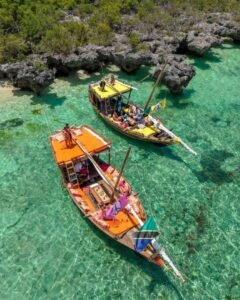
Wooden dhow boats leaning with the tide.
Octopus curry cooked over charcoal.
The smell of cloves after rain.
Zanzibar is often described as a beach destination.
But that description is too small.
Because Zanzibar is not simply somewhere you go to sit beside the ocean.
It is somewhere that slowly rearranges the pace of your mind.
Why Zanzibar Still Feels Different in 2026
Across the world, tropical destinations increasingly blur together.
Luxury resorts. Infinity pools. Drone photography. Beach clubs repeating the same music from Bali to the Caribbean.
But Zanzibar still feels rooted in itself.
Partly because the island has always been a crossroads rather than a resort creation.
African. Arab. Indian. Swahili. Persian. European.
All carried here by monsoon winds and centuries of ocean trade.
That layered history still lives in everyday life.
You hear it in the Swahili language.
You taste it in the food.
You see it in carved wooden doors and old coral-stone buildings.
You feel it in the rhythm of the coast itself.
And unlike many destinations that have become polished beyond recognition, parts of Zanzibar remain beautifully imperfect.
Fishermen still sail traditional dhows.
Children still play football on beaches at low tide.
Women still gather seaweed by hand.
Village life continues beside luxury lodges.
That contrast gives Zanzibar emotional depth.
It feels lived in.
First Arrival: The Air Changes Immediately
The moment you step off the plane at Abeid Amani Karume International Airport, the air feels different.
Warmer. Heavier. Salted by the ocean.
Palm trees bend beyond the roads. Buildings fade beneath tropical humidity. Drivers lean casually beside vehicles waiting for arriving guests while the scent of spice and diesel drifts through the parking area.
Then comes the drive.
Depending on where you stay, the island unfolds slowly:
- Small roadside fruit stalls
- Scooters weaving through villages
- Children waving beside schools
- Mosques glowing white beneath the sun
- Coconut palms stretching endlessly inland
There is movement everywhere. But not chaos.
Zanzibar moves with softness.
Even traffic feels slower somehow.
And eventually the road reaches the coast.
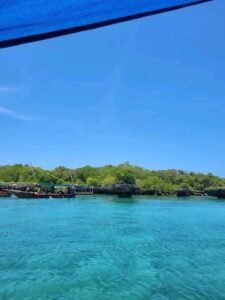
The Indian Ocean appears suddenly between palms.
Turquoise.
Almost unreal.
The kind of blue that makes first-time visitors go silent.
The Beaches of Zanzibar: Each Coast Feels Different
One mistake many travellers make is assuming Zanzibar is one single beach experience.
It is not.
The island changes dramatically from coast to coast.
And choosing the right area matters.
Nungwi: Sunsets and Lively Energy
Nungwi sits on the northern tip of the island where tides are gentler and swimming conditions remain good throughout most of the day.
This is where many travellers come for:
- Sunset dhow cruises
- Beach nightlife
- Diving trips
- Social atmosphere
- Easy swimming
The beach here stays active long after sunset. Music drifts from restaurants. Lanterns glow beneath palm trees. Fishermen pull boats onto shore while travellers walk barefoot through soft evening sand.
Yet even here, mornings remain peaceful.
Especially before breakfast, when the ocean is glassy and nearly empty.
Paje: Wind, Motion, and Open Space
Paje feels younger.
Wilder.
The coastline opens wide beneath enormous skies where kitesurfers carve across shallow turquoise lagoons while local fishermen move slowly through the tide pools beside them.
Paje attracts travellers who enjoy movement:
- Kitesurfing
- Beach cafés
- Backpacker atmosphere
- Yoga retreats
- Long barefoot walks
But beneath that energy, there is still deep calm here.
Especially during low tide, when the ocean retreats hundreds of metres and the beach becomes a reflective mirror beneath the sky.
Jambiani: Quiet Rhythms
Just south of Paje lies Jambiani.
Quieter. Slower. More intimate.
Village life blends naturally with tourism here. Seaweed farms stretch into shallow water while local women work patiently beneath the morning sun. Children cycle through sandy paths between coral-rag houses and coconut trees.
Jambiani feels less curated.
More grounded.
Travellers often stay longer here than planned.
Matemwe: Soft Luxury and Reef Views
Matemwe offers one of the island’s most peaceful atmospheres.
Long quiet beaches. Traditional fishing villages. Views toward Mnemba Atoll. Early morning dhows moving through silver-blue water.
This coast works beautifully for couples, honeymooners, photographers, and travellers seeking stillness rather than activity.
And the sunrises here can feel almost unreal.
Stone Town: The Soul of Zanzibar
Before the beaches fully take hold of you, spend time in Stone Town.
Not quickly.
Slowly.
Stone Town is not a place to rush through with a checklist.
It is a place to wander.
The narrow alleys twist unpredictably between old coral-stone buildings where balconies lean overhead and carved doors carry centuries of history. Scooters pass impossibly close through tiny streets. Shopkeepers sit quietly outside spice stores while cats sleep beneath wooden benches.
Then suddenly:
The call to prayer echoes across rooftops.
Everything pauses for a moment.
And you realise this island carries much older rhythms beneath its beaches.
Evening at Forodhani Gardens
At sunset, locals and travellers gather along the seafront at Forodhani Gardens.
Children dive into the ocean from the seawall. Grilled seafood sizzles over charcoal. Sugarcane juice is pressed by hand. The air smells of spice, smoke, salt, and frying octopus.
No luxury resort can recreate this atmosphere.
Because it belongs entirely to Zanzibar.
The Ocean Is Always Moving
One of the first things travellers notice in Zanzibar is the tide.
The Indian Ocean here breathes dramatically.
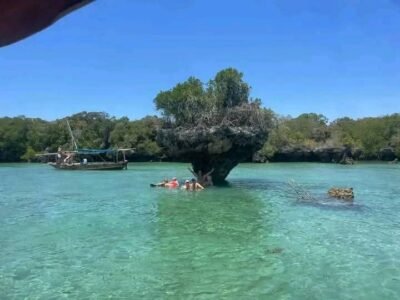
At high tide, beaches become postcard-perfect turquoise lagoons.
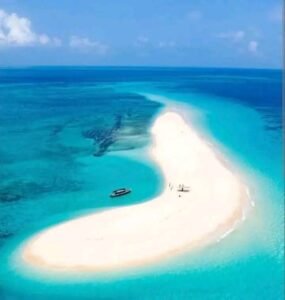
At low tide, the sea withdraws far into the distance, exposing coral formations, seaweed farms, starfish, and endless wet sand reflecting the sky.
Some visitors initially find this surprising.
Then they begin to love it.
Because the changing tides create different worlds throughout the day.
Morning may be for swimming.
Afternoon for walking exposed sandbanks.
Evening for dhow sailing beneath sunset light.
The island never feels static.
Dhow Sailing at Sunset
There are faster boats in the world.
More modern boats.
More luxurious boats.
But none feel as emotionally connected to the Indian Ocean as a traditional Zanzibar dhow.
The triangular sail catches evening wind while the boat tilts gently against soft waves. Crew members move barefoot across old wooden decks with quiet confidence learned from generations at sea.
And as the sun lowers toward the horizon, the coastline begins glowing gold.
People stop talking much at this point.
Even energetic travellers become quiet.
Because sunsets in Zanzibar rarely feel rushed.
They unfold slowly.
The Food: Zanzibar Through Taste
Zanzibar’s history lives inside its food.
Cloves. Cardamom. Cinnamon. Coconut. Tamarind. Lime. Fresh seafood.
Meals here are layered with Indian Ocean history.
What Travellers Often Remember Most
- Grilled lobster beside the beach
- Coconut fish curry
- Fresh octopus cooked in spices
- Zanzibar pizza in Stone Town
- Tropical fruit breakfasts
- Swahili biryani
- Chai at sunset
And always fresh seafood.
Sometimes caught only hours earlier.
There is a certain pleasure in eating grilled fish while hearing the same ocean it came from only metres away in the darkness.
Simple things become memorable on islands.
Mnemba Atoll: The Underwater World
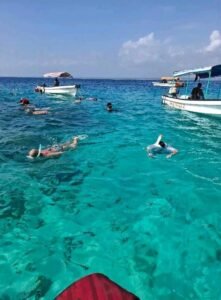
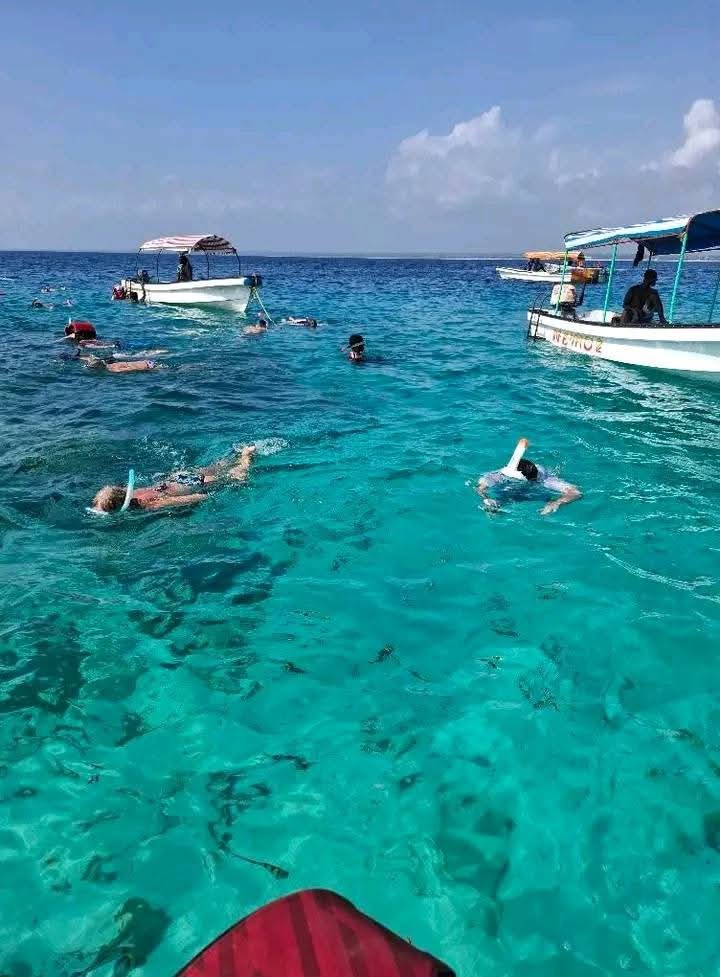
Off the northeast coast lies Mnemba Atoll, one of the most famous marine areas in East Africa.
The water clarity here can be extraordinary.
Visibility sometimes stretches so far that boats appear suspended in air above the reef.
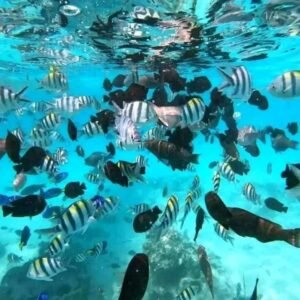
Snorkelling and diving reveal:
- Coral gardens
- Reef fish
- Sea turtles
- Dolphins
- Moray eels
- Occasional reef sharks
But beyond marine life, there is something calming about floating in warm Indian Ocean water while sunlight ripples across coral below.
The ocean here feels alive without feeling aggressive.
Inviting rather than intimidating. Kendwa beach
Zanzibar After Safari
For many travellers, Zanzibar comes after safari.
And that combination works beautifully.
After dusty game drives through the Serengeti or Ngorongoro, the island feels almost dreamlike.
You arrive carrying safari dust on your boots and suddenly find yourself swimming in warm turquoise water beneath palm trees.
The contrast heightens both experiences.
Safari sharpens the senses.
Zanzibar softens them again.
That emotional transition is one reason Tanzania remains such a powerful journey.
Few countries combine wilderness and coastline so naturally.
After the cold summit winds of Mount Kilimanjaro, Zanzibar feels almost surreal. Warm Indian Ocean air, white sand beaches, and historic Swahili culture create the perfect recovery after trekking. Many climbers finish their adventure with one of our Zanzibar Beach Holiday Packages 2026/2027
A Typical Day on Zanzibar’s Coast
6:00 AM — Dawn Prayer and Ocean Light
The sky softens from deep blue to silver while fishermen push boats into shallow water.
8:00 AM — Breakfast Beneath Palms
Fresh mango. Coffee. Warm chapati. Ocean breeze moving through open-air restaurants.
10:30 AM — Swimming at High Tide
The sea turns impossibly turquoise beneath bright tropical sun.
1:00 PM — Midday Heat
Hammocks sway slowly. Sand becomes too hot for bare feet.
4:30 PM — Low Tide Walks
Locals gather seaweed while travellers wander exposed sandbanks.
6:15 PM — Sunset
Dhows cross the horizon in silhouette.
8:00 PM — Dinner by Lantern Light
Grilled seafood. Coconut curry. The sound of waves somewhere beyond the darkness.
Why Honeymooners Love Zanzibar
Zanzibar has become one of Africa’s great honeymoon destinations for good reason.
Not because it feels artificial or staged.
But because intimacy comes naturally here.
Private dinners on the beach.
Quiet sunrise swims.
Long barefoot walks at low tide.
Open-air villas beneath palm trees.
Slow evenings without pressure to do anything at all.
The island creates space for people to breathe together.
And after the intensity of weddings or long international travel, that softness matters.
The Rainy Season Misunderstanding
Many travellers fear rain unnecessarily.
In Zanzibar, especially during green seasons, rain often arrives dramatically and disappears just as quickly.
Storm clouds gather over the ocean.
Palm trees bend in warm wind.
Heavy rain crashes briefly against rooftops.
Then sunlight returns and everything smells alive again.
For photographers and travellers who enjoy atmosphere, these periods can actually feel more beautiful than endless dry skies.
The island becomes greener.
Air feels cooler.
Sunsets become cinematic.
Best Time to Visit Zanzibar in 2026
| Season | Atmosphere | Best For |
|---|---|---|
| January – March | Warm, sunny, calm seas | Diving, beach relaxation |
| June – October | Cooler, dry, comfortable | Safari + beach combinations |
| November – December | Short rains, dramatic skies | Photography, quieter travel |
Each season creates a different mood.
There is no single perfect Zanzibar.
Only different versions of it.
Village Life Beyond the Resorts
One of the most meaningful experiences in Zanzibar often happens away from the beach loungers.
Walk through local villages respectfully with knowledgeable local guides and the island becomes more human.
You see:
- Coconut harvesting
- Traditional boat building
- Spice farming
- Schoolchildren greeting visitors
- Women weaving palm products
- Men repairing fishing nets beneath trees
Tourism exists here. But daily life continues independently around it.
That authenticity matters.
The Spice Farms
Zanzibar was once one of the world’s great spice trading centres.
Even today, the island smells subtly different because of it.
Spice tours introduce travellers to:
- Cloves
- Vanilla
- Cinnamon
- Nutmeg
- Cardamom
- Black pepper
But the experience is less about agriculture and more about sensory memory.
Crushing fresh cinnamon leaves between your fingers.
Smelling cloves drying in the sun.
Tasting tropical fruit directly beneath the trees where it grows.
The island engages all the senses at once.
The Soundtrack of Zanzibar
Every destination has a soundscape.
Zanzibar’s is unforgettable.
- Wind through palms
- Distant prayer calls
- Wooden boats creaking at tide
- Waves moving over reef
- Swahili conversation drifting through villages
- Music from beach bars at night
- Cicadas after rain
And often, silence.
Real silence.
The kind many travellers have not experienced in years.
Responsible Travel in Zanzibar
As tourism grows in 2026, respectful travel matters deeply.
The island is beautiful, but it is also home.
Simple awareness makes a difference:
- Dress respectfully in villages and Stone Town
- Support local businesses where possible
- Reduce plastic waste
- Respect photography boundaries
- Learn a few Swahili greetings
- Understand local customs
Even small efforts change how travellers experience the island.
People open up more warmly when visitors show curiosity rather than entitlement.
Useful Swahili Phrases
| Swahili | Meaning |
|---|---|
| Jambo | Hello |
| Asante | Thank you |
| Karibu | Welcome |
| Pole pole | Slowly |
| Hakuna matata | No problem |
| Habari | How are you? |
“Pole pole” may be the most important phrase on the island.
Slowly.
Zanzibar teaches that naturally.
Combining Zanzibar With a Tanzania Safari
Many travellers in 2026 combine:
with a final beach stay in Zanzibar.
This combination works emotionally because the experiences balance each other.
Safari brings adrenaline, movement, dust, wildlife, early mornings.
Zanzibar brings release.
Ocean.
Stillness.
Warm nights.
Time to absorb everything you witnessed inland.
Together they create one of Africa’s most complete journeys.
Field Notes From Local Guides
“People arrive exhausted. Three days later they walk slower.”
“The ocean changes every hour here. That is why the island never feels repetitive.”
“Guests often say they came for beaches but remember the people most.”
“Zanzibar teaches patience through the tides.”
What Zanzibar Really Gives You
People often think beach holidays are about escape.
But Zanzibar feels less like escape and more like return.
Return to slower mornings.
To long conversations.
To noticing light again.
To eating without rushing.
To sleeping with windows open to the sea.
The island gently removes noise from your mind.
Not all at once.
Gradually.
And when travellers finally leave — standing barefoot at the airport with salt still dried onto their skin — many already know something quietly important:
They will think about Zanzibar for years afterward.
Not only because it was beautiful.
But because it made them feel present again.
That is much rarer than paradise photographs can ever show.
And perhaps that is the real magic of Zanzibar in 2026. Book now your holiday.