

- Overview
- Trip Includes
- Trip Excludes
- Gallery
- Price
Shira Route Kilimanjaro: Complete Guide to the Scenic Western Approach
Shira Route is one of the most scenic and unique ways to climb Mount Kilimanjaro. Starting from the west, it offers less crowded trails, expansive high-altitude plains, and a higher chance of summit success with proper acclimatization.
This route is ideal for trekkers seeking adventure, tranquility, and breathtaking views of Africa’s highest peak at Uhuru Peak. Shira Route is famous for its wide plateau, dramatic sunsets, and diverse ecological zones.
Climb Africa’s highest mountain with a locally trusted Kilimanjaro operator recognized by travelers worldwide through excellent reviews on Tripadvisor and TourHQ.
Why Choose the Shira Route to Climb Mount Kilimanjaro?
The Shira Route is one of the most scenic and less crowded routes to climb Mount Kilimanjaro. Starting on the western side of the mountain, this route offers breathtaking panoramic views, diverse landscapes, and excellent acclimatization opportunities for trekkers seeking a peaceful and rewarding adventure.
Known for the stunning Shira Plateau and gradual ascent profile, the Shira Route is ideal for climbers who want scenic beauty, fewer crowds, and a higher chance of reaching Uhuru Peak successfully.
From volcanic plains and alpine desert to glaciers above the clouds, the Shira Route showcases some of the most spectacular scenery on Mount Kilimanjaro.
Shira Route vs Lemosho Route – Which Is Better?
The Shira Route and Lemosho Route are both scenic western approaches to Mount Kilimanjaro and share several sections of the trail. However, they offer slightly different trekking experiences.
Shira Route
- Starts at a higher elevation
- Faster access to the Shira Plateau
- Less crowded trails
- Scenic volcanic landscapes
- Suitable for experienced trekkers comfortable with altitude
Lemosho Route
- Starts at a lower elevation
- Better acclimatization profile
- Longer rainforest section
- Higher summit success rate for beginners
- More gradual ascent overall
Trekkers seeking a shorter scenic western approach may prefer the Shira Route, while climbers prioritizing acclimatization and summit success often choose the Lemosho Route.
What Summit Night on the Shira Route Feels Like
Summit night on Mount Kilimanjaro is the most challenging and emotional part of the journey. Around midnight, climbers leave Barafu Camp under freezing temperatures and begin the slow ascent toward Uhuru Peak.
The silence of the mountain, the cold air, and the glow of headlamps create an unforgettable atmosphere as trekkers move steadily through the darkness. As sunrise begins above the clouds, the glaciers shine with golden light and reveal breathtaking views across Tanzania.
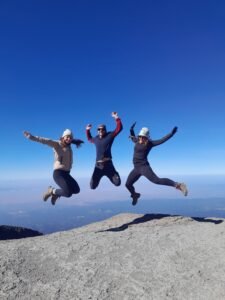
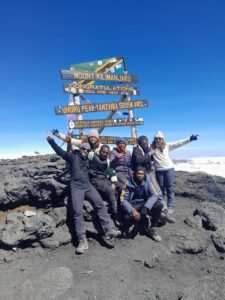
Standing at Uhuru Peak after climbing the Shira Route is more than reaching the highest point in Africa — it is a powerful personal achievement that remains unforgettable for a lifetime.
How Much Does the Shira Route Cost?
The cost of climbing Mount Kilimanjaro via the Shira Route depends on the itinerary length, group size, travel season, and level of service.
Budget Group Climbs
Affordable shared trekking experiences for travelers joining scheduled group departures.
Mid-Range Private Climbs
Ideal for couples, families, and private groups seeking flexibility and personalized support.
Luxury Kilimanjaro Packages
Premium trekking experiences with upgraded accommodation, private transfers, and enhanced mountain services.
Our Shira Route packages include:
- Kilimanjaro National Park fees
- Professional mountain guides
- Camping equipment
- Porters and cooks
- Meals during the trek
- Rescue support and safety equipment
- Accommodation before and after the climb
We focus on safety, fair porter treatment, and high-quality service to ensure a successful summit experience.
Altitude Sickness on the Shira Route
Altitude is the biggest challenge when climbing Mount Kilimanjaro. As elevation increases, oxygen levels decrease, making proper acclimatization extremely important.
Common symptoms of altitude sickness include:
- Headaches
- Fatigue
- Nausea
- Dizziness
- Shortness of breath
Because the Shira Route starts at a higher elevation, proper pacing and acclimatization are especially important during the first days of the climb.
Our experienced guides monitor climbers daily and prioritize safety throughout the expedition.
Kilimanjaro National Park Regulations and Permits
All climbers on Mount Kilimanjaro must follow regulations established by the Tanzania National Parks Authority (TANAPA).
Important regulations include:
- Climbers must use licensed mountain guides
- Park fees and rescue fees are mandatory
- Camping is only allowed in designated campsites
- Environmental conservation rules must be respected
- Climbers must follow park safety procedures
These regulations help protect Mount Kilimanjaro while supporting sustainable tourism and visitor safety.
Why Climb the Shira Route With Us?
Choosing the right Kilimanjaro operator can make the difference between a difficult trek and a successful summit experience.
With Mangi Africa Tours and Safari Limited, you receive:
- Experienced local mountain guides
- High summit success rates
- Professional safety monitoring
- Fair treatment and support for porters
- Quality camping equipment and nutritious meals
- Personalized service and fast communication
As a trusted Tanzania-based trekking company, we understand what it takes to safely guide climbers to Uhuru Peak while creating unforgettable mountain adventures.
Frequently Asked Questions About the Shira Route
Is the Shira Route good for beginners?
Yes. The Shira Route is suitable for beginners with good fitness levels, especially on longer itineraries that allow proper acclimatization.
How long does the Shira Route take?
Most climbers complete the Shira Route in 7–8 days for better acclimatization and summit success.
Is the Shira Route crowded?
No. The Shira Route is generally less crowded than popular routes like Machame and Marangu, offering a quieter trekking experience.
What is the success rate of the Shira Route?
The Shira Route has a high summit success rate due to its gradual ascent profile and longer itineraries.
Begin Your Shira Route Adventure Today
The Shira Route is more than just a climb — it is a journey through volcanic plateaus, alpine desert, and breathtaking landscapes above the clouds.
Every step toward Uhuru Peak rewards climbers with unforgettable scenery, peaceful trails, and a powerful sense of achievement. Whether you are climbing Mount Kilimanjaro for adventure, personal growth, or a lifelong dream, the Shira Route offers one of the most scenic trekking experiences in Africa.
Let our experienced local team guide you safely to the Roof of Africa and help turn your Kilimanjaro dream into reality.
What is the Shira Route?
The Shira Route begins at Shira Gate on the western side of Mount Kilimanjaro. Unlike Machame or Marangu, Shira is less steep and less crowded, providing a peaceful trekking experience.
Trekkers experience multiple ecological zones:
- Shira Plateau with volcanic landscapes
- Moorland and heath zones
- Alpine desert near the summit
- Stunning panoramic views of Kibo and Mawenzi
The route is perfect for photographers, nature enthusiasts, and trekkers who prefer scenic landscapes with fewer people.
Why Choose the Shira Route?
The Shira Route offers several advantages:
- Less crowded trails: More peaceful and scenic experience
- Gentle gradients: Gradual ascent improves acclimatization
- High summit success rate: Longer itineraries allow better adjustment
- Diverse scenery: Shira Plateau, moorland, volcanic rock formations, and alpine desert
- Flexible itinerary: 7–8 day options to maximize summit chances
Shira is perfect for trekkers seeking a relaxed, scenic climb with high chances of reaching Uhuru Peak.
Shira Route Itinerary Overview
Most trekkers take 7–8 days for optimal acclimatization and summit success.
Day 1: Shira Gate to Shira 1 Camp
The trek begins at Shira Gate, entering the Shira Plateau. Shira 1 Camp is located on the plateau, offering panoramic views and a gentle introduction to high-altitude trekking.
Day 2: Shira 1 Camp to Shira 2 Camp
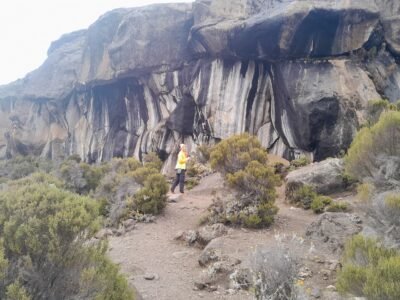
You continue across the plateau, passing volcanic rock formations and highland plains. Shira 2 Camp is ideal for rest and acclimatization, with expansive views of Kibo.
Day 3: Shira 2 Camp to Barranco Camp
The trail descends slightly into Barranco Valley. The Barranco Wall provides a challenging climb with dramatic scenery. Barranco Camp is set at the foot of the wall.
Day 4: Barranco Camp to Karanga Camp
Trek across alpine desert terrain to Karanga Camp. The trail passes volcanic rocks, with stunning panoramic views of Mawenzi and Kibo.
Day 5: Karanga Camp to Barafu Camp
You continue ascending to Barafu Camp, the last high-altitude base camp before the summit. Prepare for summit night.
Day 6: Summit Day to Mweka Camp
A midnight start is required to reach Uhuru Peak. Witness sunrise at the summit before descending to Mweka Camp for the first night.
Day 7: Mweka Camp to Mweka Gate
The final descent passes through moorland and rainforest to Mweka Gate, marking the completion of your Shira Route adventure.
Success Rate of Shira Route
Shira Route has a high summit success rate, especially on 7–8 day itineraries. The gradual ascent allows for proper acclimatization, reducing the risk of altitude sickness.
Tips for success:
- Take a longer itinerary for proper acclimatization
- Walk slowly and steadily (“pole pole”)
- Stay hydrated and eat energy-rich meals
- Follow your guide’s advice closely
Proper pacing is crucial for reaching the summit safely.
Best Time to Climb the Shira Route
The best months to climb are dry seasons:
- January to March – Clear skies and warm temperatures
- June to October – Popular trekking season, excellent conditions
Avoid rainy months (April–May, November) to ensure safer trails and better summit visibility.
Shira Route Difficulty Level
Shira Route is considered moderate. The trail is not as steep as Machame or Umbwe, making it ideal for beginners with good fitness.
The main challenge is altitude, especially on summit night. Gradual ascent and proper preparation are key.
What Makes Shira Route Unique?
Shira Route is unique for:
- Western approach with spectacular views
- Shira Plateau with wide, volcanic plains
- Less crowded trails for peaceful trekking
- Gradual ascent allowing better acclimatization
- Dramatic sunrise and sunset views
Shira is perfect for trekkers seeking scenic beauty, tranquility, and high summit success.
Essential Gear for Shira Route
Proper gear ensures comfort and safety:
- Warm layers and down jacket
- Waterproof jacket and pants
- Hiking boots and gaiters
- Sleeping bag rated for cold temperatures
- Trekking poles
- Headlamp and spare batteries
- Water bottles and hydration packs
Temperatures can drop below freezing near the summit, so layered clothing is essential.
Tips for a Successful Shira Climb
- Walk slowly to conserve energy and aid acclimatization
- Drink at least 3 liters of water per day
- Eat high-energy meals
- Take rest days seriously
- Capture photos but maintain a steady pace
Mental preparation is just as important as physical fitness.
Combine Shira Route with Safari and Zanzibar
Many travelers pair Shira Route with other Tanzanian experiences:
- Serengeti National Park – Witness the Great Wildebeest Migration
- Ngorongoro Crater – Explore Africa’s largest caldera and wildlife
- Zanzibar – Relax on tropical beaches after your climb
This combination offers a complete Tanzanian adventure.
Conclusion: Book Now Your Shira Route Adventure Today
The Shira Route provides scenic beauty, tranquility, and high summit success. With proper preparation, professional guides, and steady pacing, standing on Uhuru Peak is achievable.
Experience Africa’s highest peak, breathtaking landscapes, and lifelong memories. Book your Shira Route Kilimanjaro adventure today.
For regulation and more information are available on Kilimajaro National Park




- National park permits
- Camping / hut fees
- Rescue service
- All meals while on the mountain
- Guides and Porters wages
- Round trip airport transfers between Arusha and JRO
- Round trip transfers between Arusha and mountain gates
- Hotel stays in Arusha for pre and post trek (2 nights in total) on bed and breakfast
- Sleeping mats 2-inch form
- Private portable toilet
- Wash basins with hot water each morning and evening
- Treated drinking water 3L or more everyday
- International or Local flights
- Rental gears
- Tips for guides, porters and other staff
- Meals and drinks at the hotel in Arusha
- Travel Insurance, Visa and Medical Insurance

Related Trips
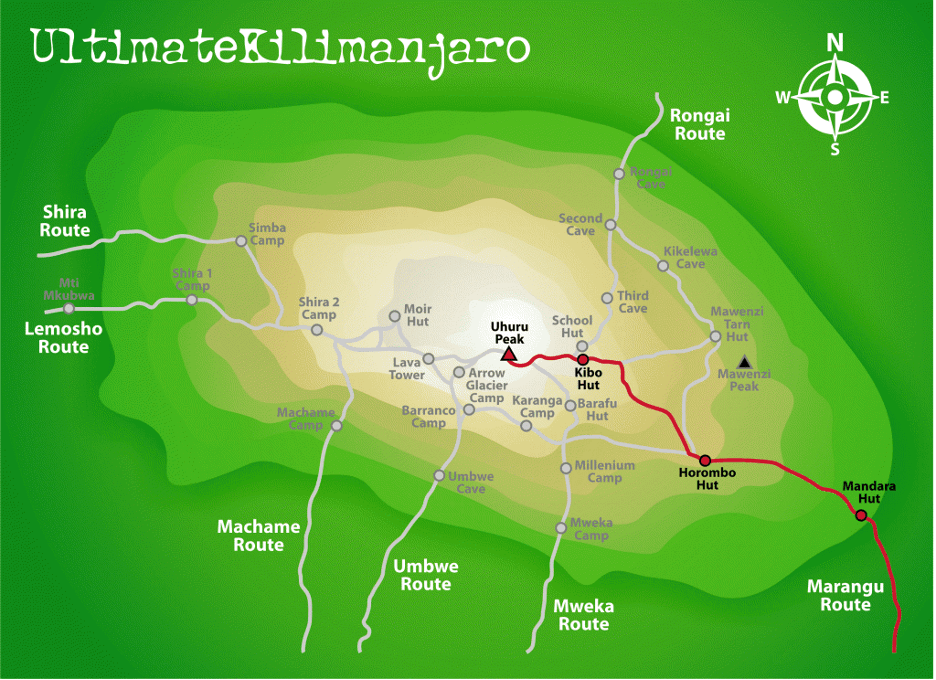
The Marangu Route
The Marangu Route is also known as the “Tourist Route” and the “Coca-Cola Route.” This is because Marangu is the most popular route on the mountain, and thus is considered “touristy”, and because the route is the only one that offers sleeping huts, which serve beverages like Coca-Cola, on the way.

UMBWE ROUTE 6 DAYS
The Umbwe Route is a challenging and scenic 6-day trek up Mount Kilimanjaro, renowned for its steep ascent and less crowded trails. Starting at the Umbwe Gate, the journey swiftly climbs through dense rainforest, transitioning into moorland and alpine desert as you ascend.

LEMOSHO ROUTE 8 DAYS
This 8-day trek is ideal for those looking for a more relaxed pace to summit Mount Kilimanjaro. The route takes you through various landscapes, including lush forests, open moorland, and alpine desert, while allowing ample time for acclimatization. Whether you’re in it for the challenge, the incredible views, or the sense of accomplishment, the Lemosho Route will provide you with a memorable journey to the roof of Africa.