
Serengeti National Park
Table of Contents
ToggleA Timeless Wilderness
Welcome to the Serengeti, one of the world's greatest wildlife sanctuaries. Covering 15,000 square kilometers, this iconic park is home to an unparalleled concentration of plains animals and the legendary Great Wildebeest Migration—a breathtaking spectacle found nowhere else on Earth. Bordering the Ngorongoro Conservation Area to the south and Kenya’s Masai Mara to the north, the Serengeti forms part of a vast, protected ecosystem where wildlife roams freely in its natural cycles of life and survival.
Where the Wild Roams Free


Why Serengeti?
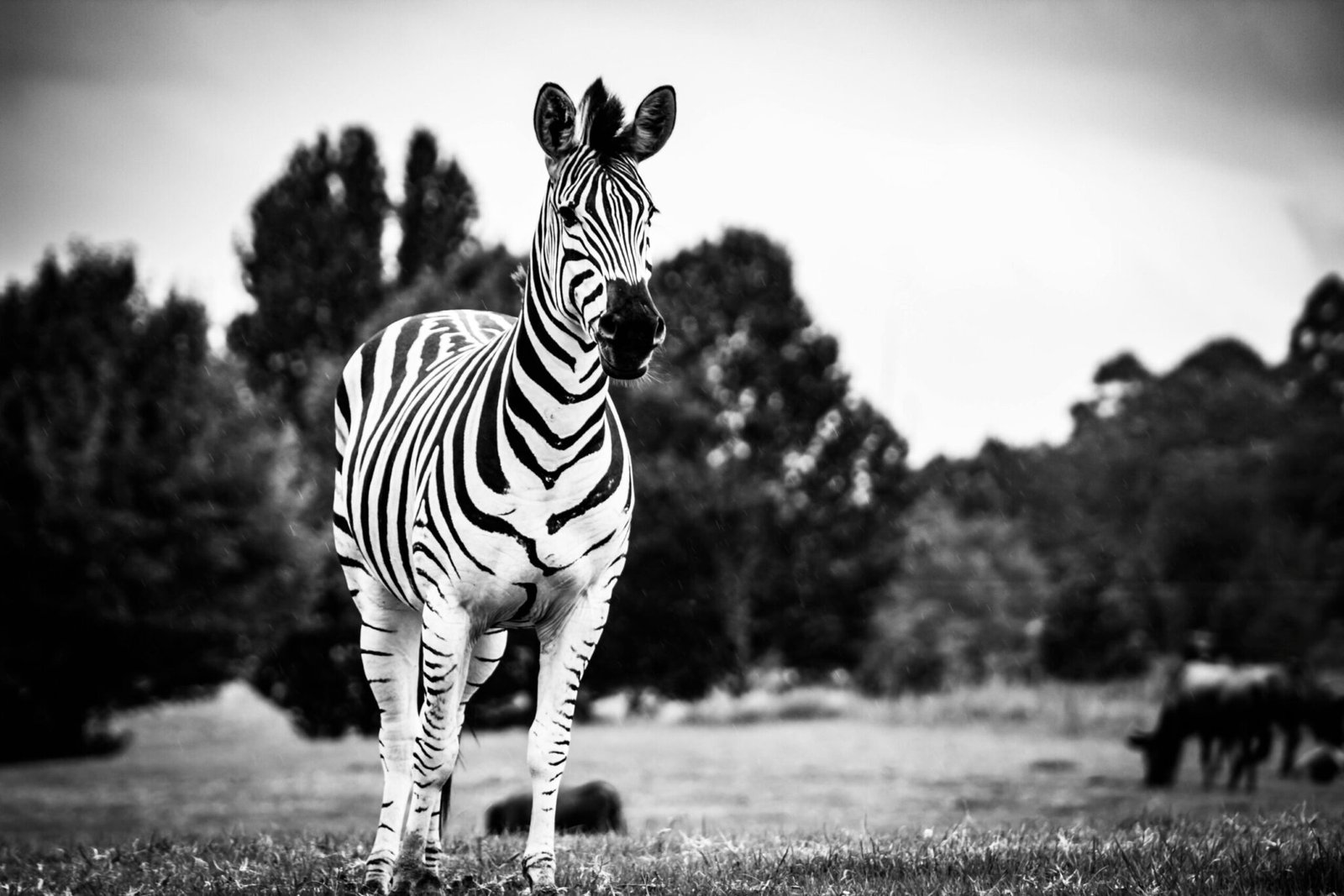
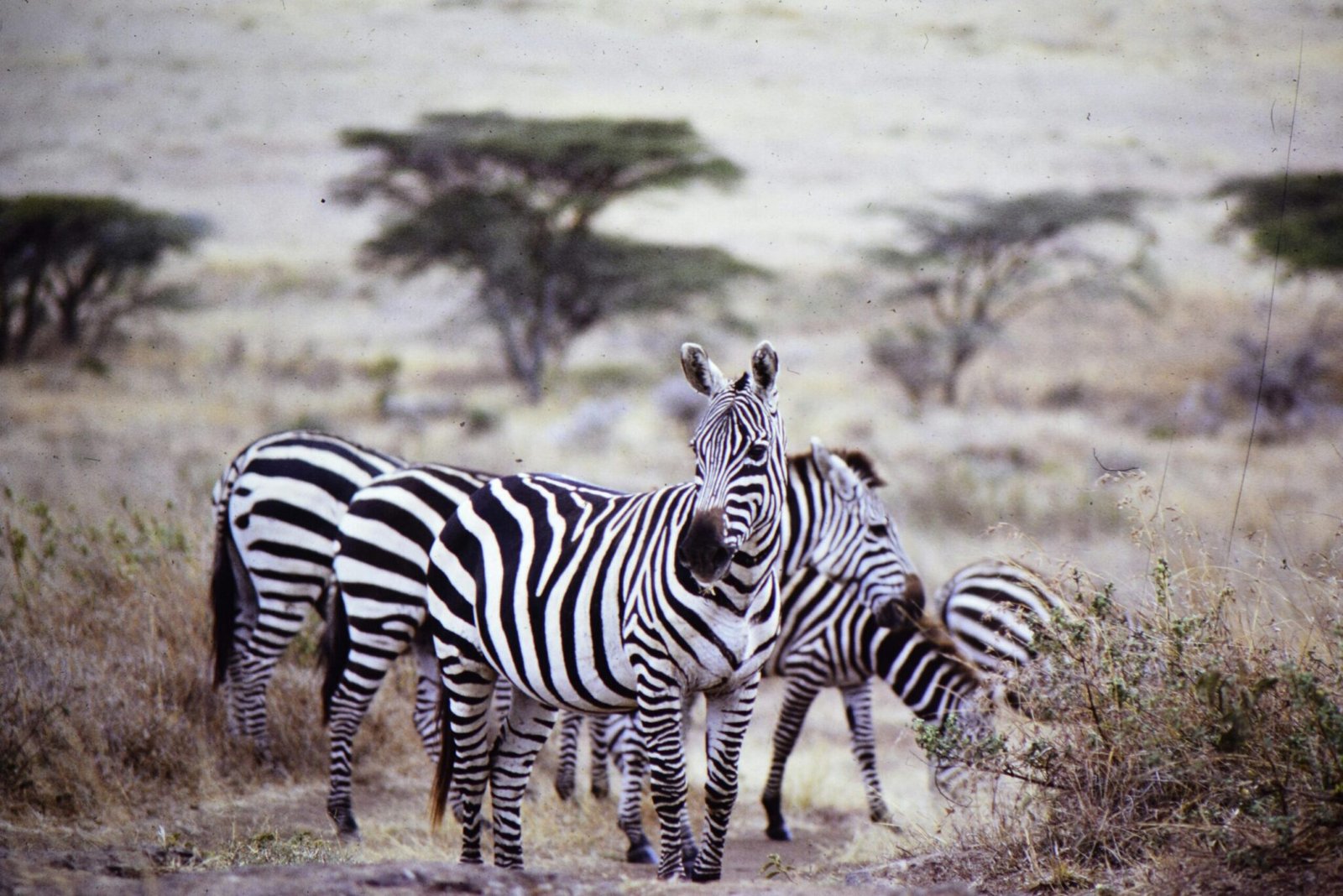
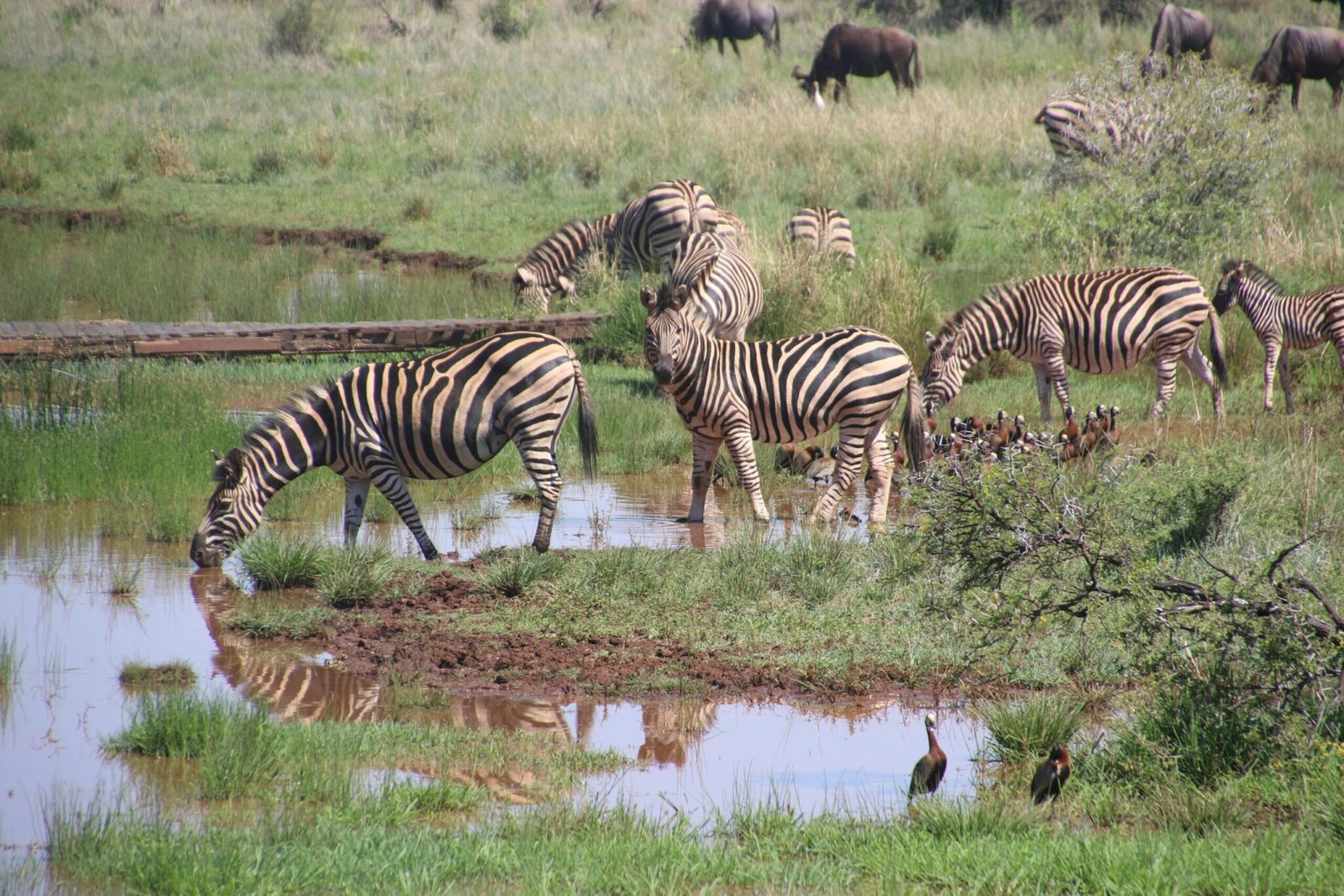
The Serengeti is one of the world’s most iconic wildlife sanctuaries, renowned for its vast plains, breathtaking landscapes, and incredible biodiversity. This legendary ecosystem is home to the Great Migration, where millions of wildebeest, zebras, and gazelles move in a dramatic cycle of life, following the rains in search of fresh grazing.
Spanning 15,000 square kilometers, Serengeti National Park connects with the Ngorongoro Conservation Area to the south and Kenya’s Masai Mara to the north, creating one of the largest protected wildlife areas on Earth.
Serengeti National Park: Where the Wild Still Moves Freely
The First Time You See the Serengeti
There is a moment that happens to almost everyone the first time they enter Serengeti National Park.
It usually comes quietly.
Not at the gate.
Not when the guide checks permits.
Not even during the first wildlife sighting.
It happens later.
Maybe when the road suddenly opens into endless plains that seem to stretch beyond the horizon. Maybe when the engine stops and the silence settles around you. Or when a lion lifts its head from the grass and stares directly toward the vehicle before disappearing again into gold.
The Serengeti has a way of making people stop talking.
Not because there is nothing to say.
Because words suddenly feel too small.
Out here, the scale changes your sense of distance. Time slows. Morning light rolls across the plains like water. Dust hangs in the air after herds pass. Hyenas laugh somewhere in the darkness after dinner at camp. And every day feels unfinished in the best possible way — as though the wild is always holding something back for tomorrow.
For many travelers, the Serengeti is not simply another safari destination.
It is the safari they have imagined their entire lives.
Recognized by international travelers on Tripadvisor and TourHQ, we proudly deliver some of Tanzania’s most memorable safari and trekking experiences.
What Makes Serengeti National Park So Special?
The word “Serengeti” comes from the Maasai word Siringet — “the place where the land runs forever.”
And when you stand in the central plains during dry season, with heat shimmering above distant grasslands and wildebeest scattered across the horizon like drifting smoke, the name makes perfect sense.
Serengeti National Park covers nearly 15,000 square kilometers of northern Tanzania and forms part of one of the most important ecosystems left on Earth.
This is where predator and prey still move according to ancient rhythms.
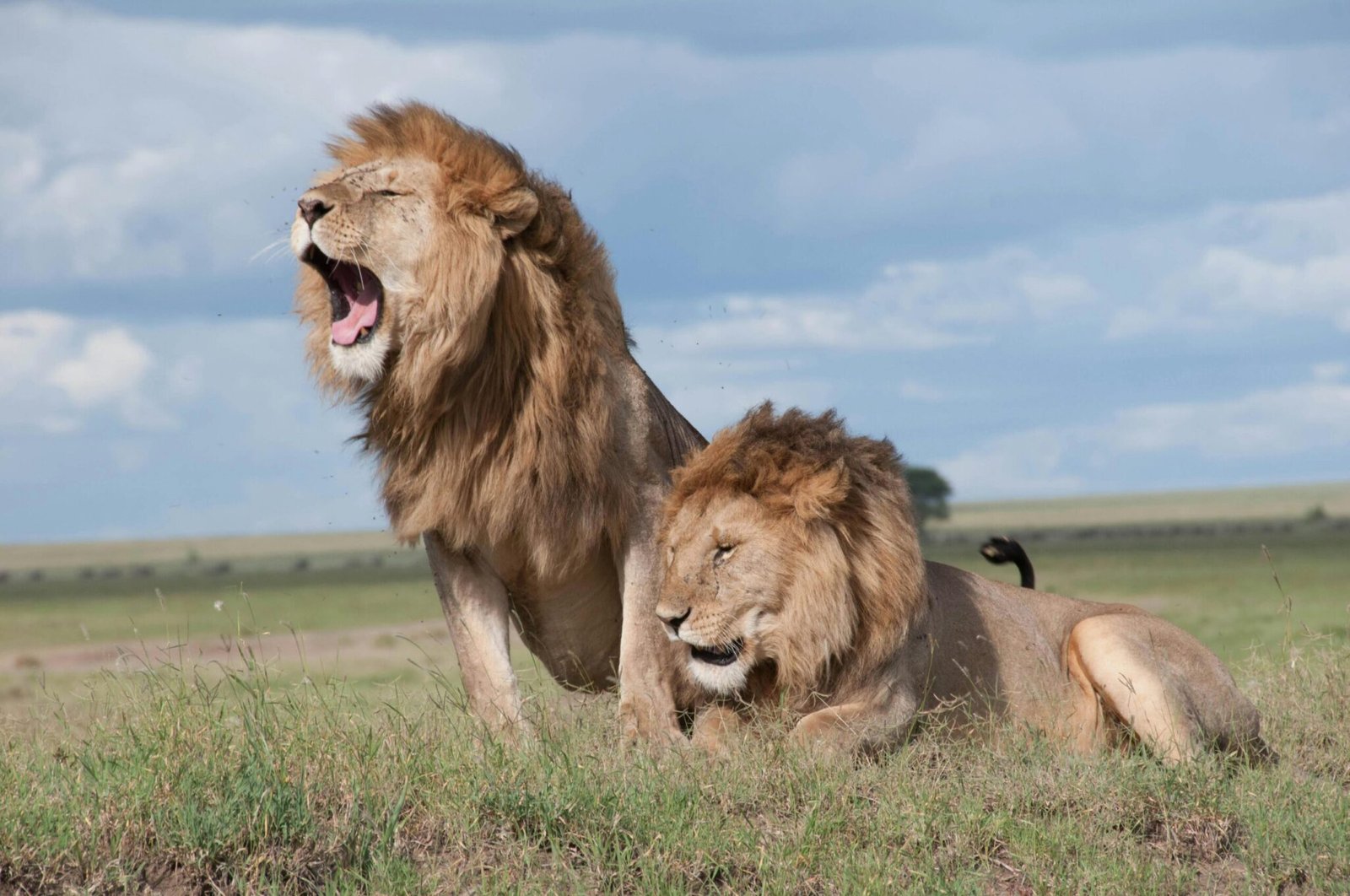
Where lions sleep beneath acacia trees while zebras graze only meters away.
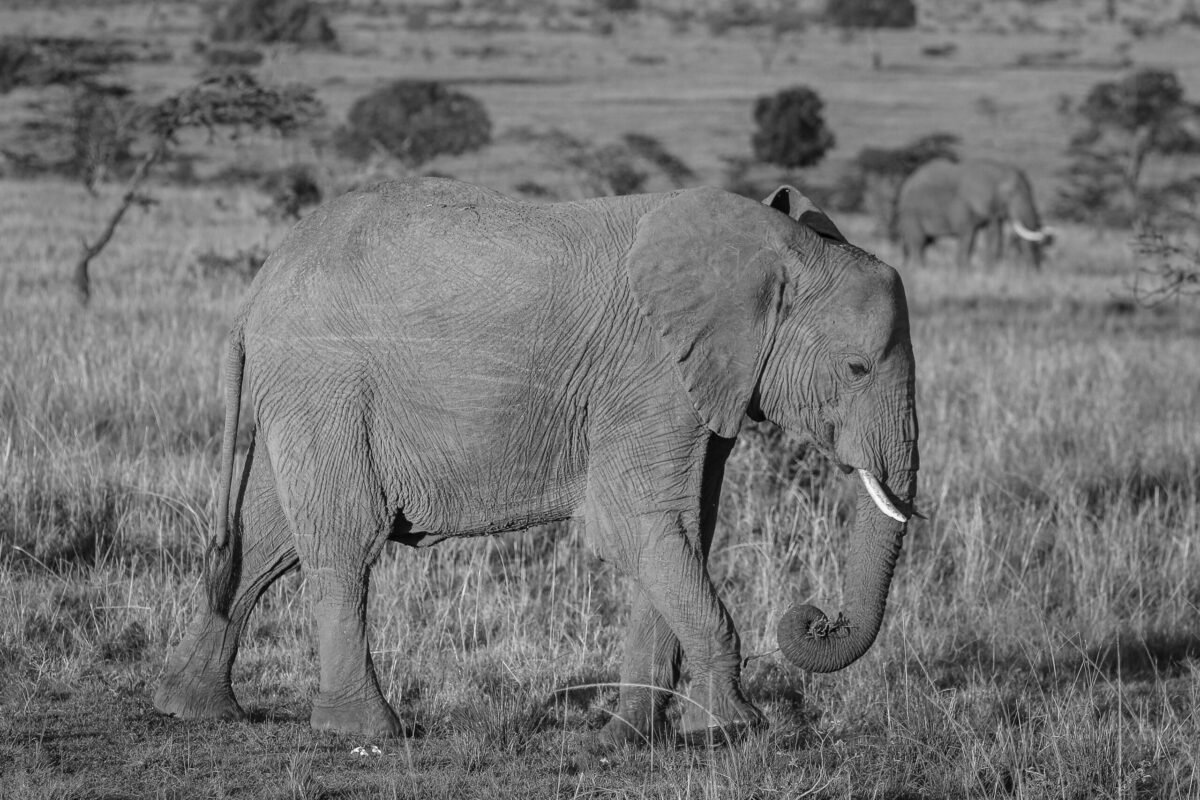
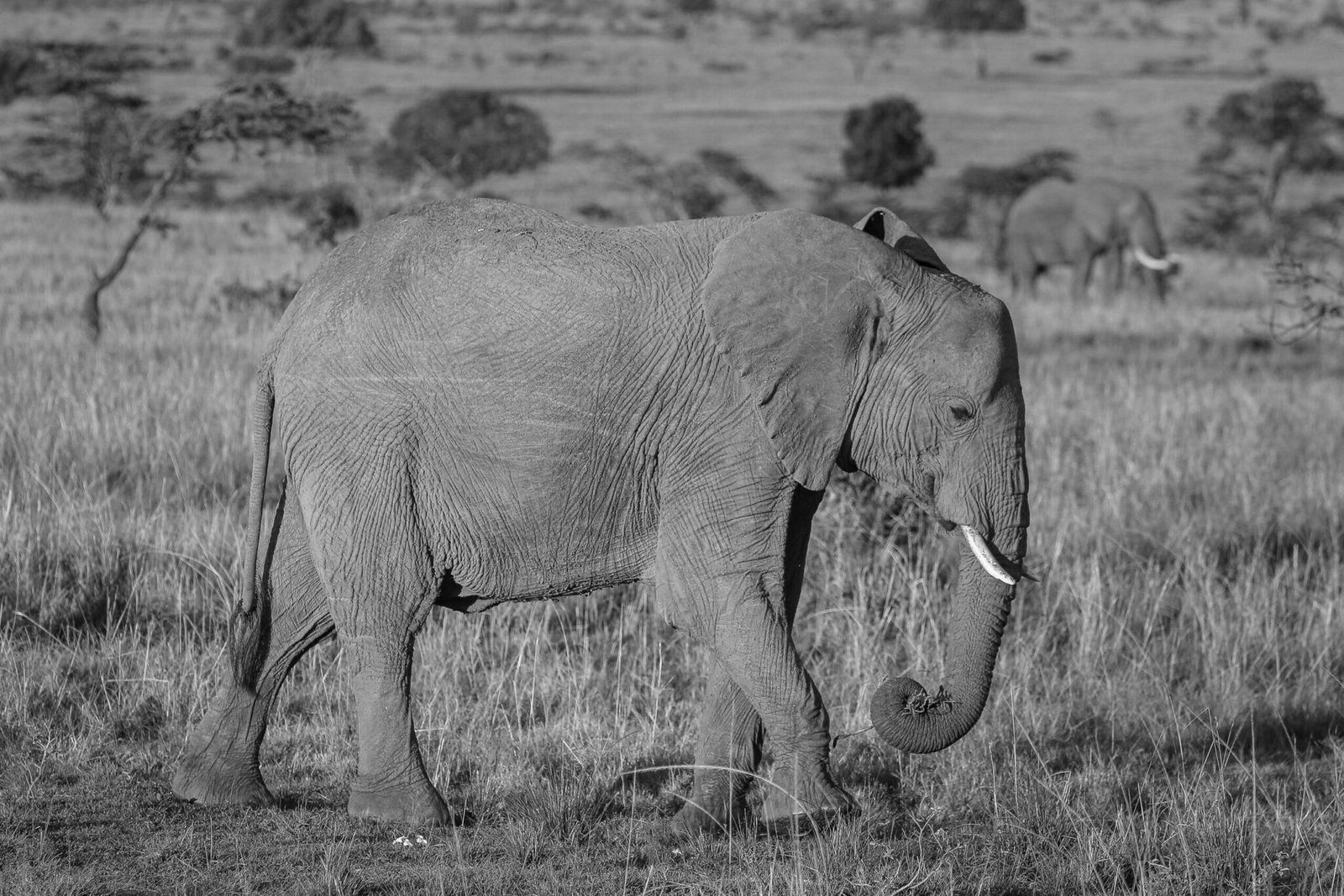
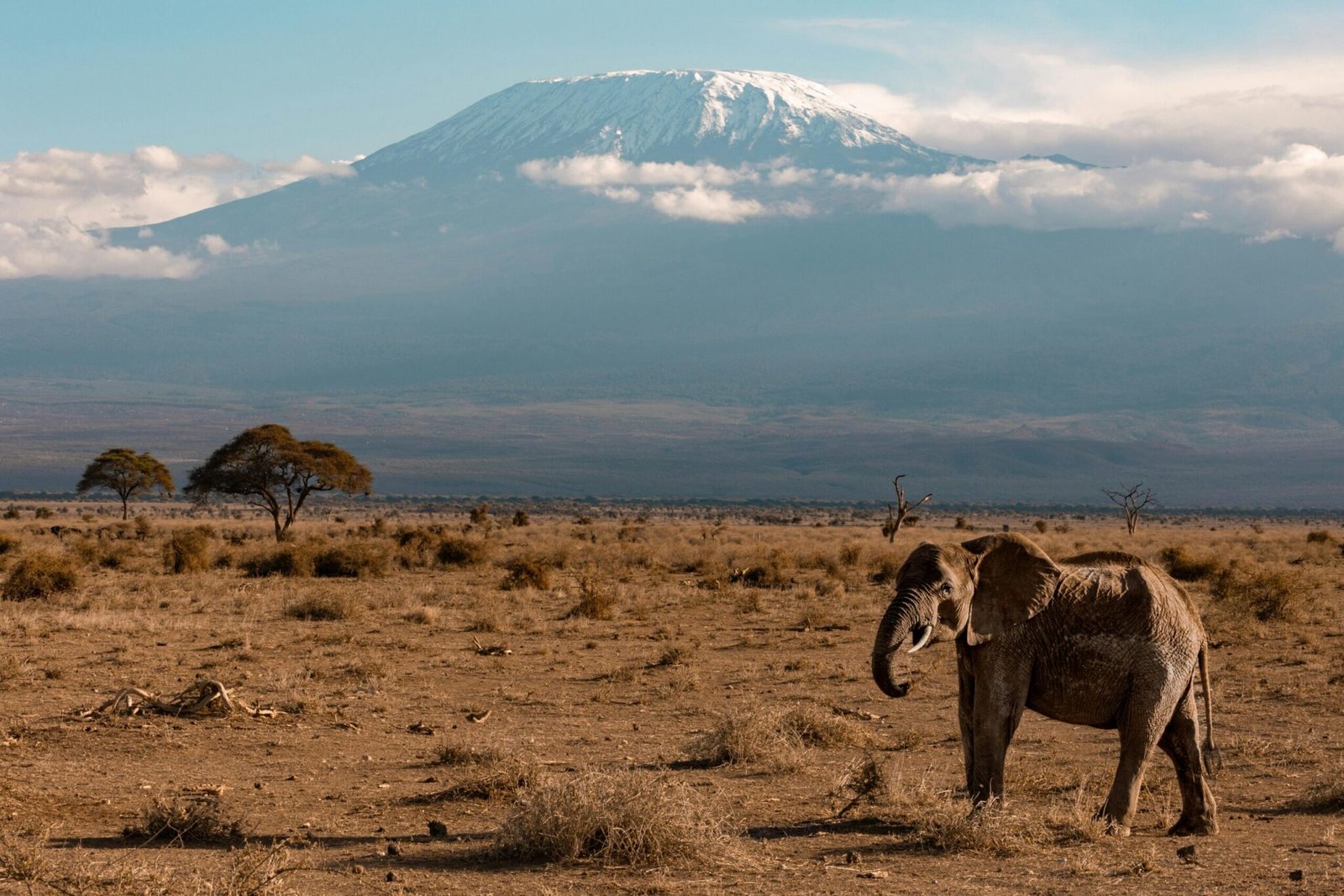
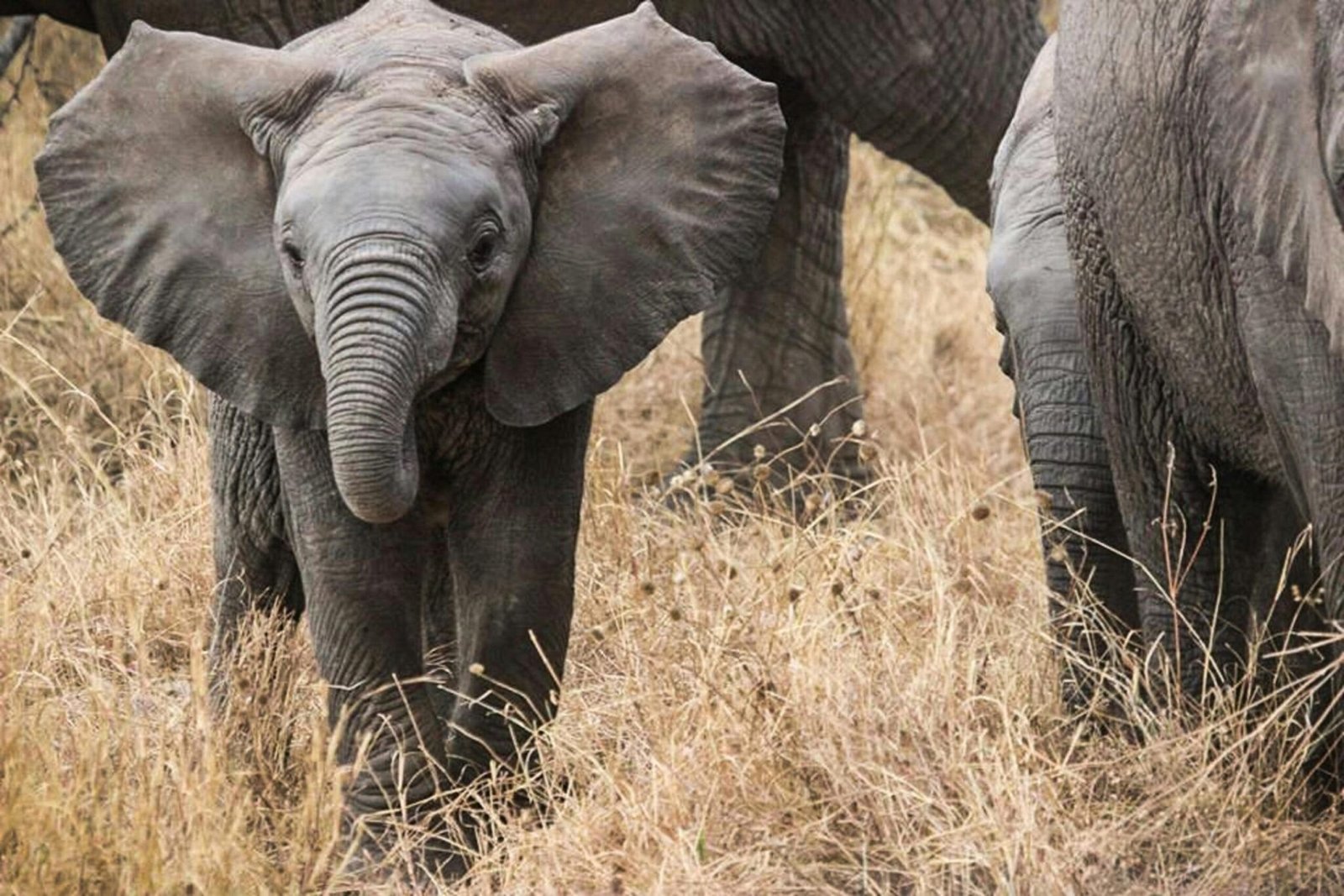
Where elephants carve paths through woodland.
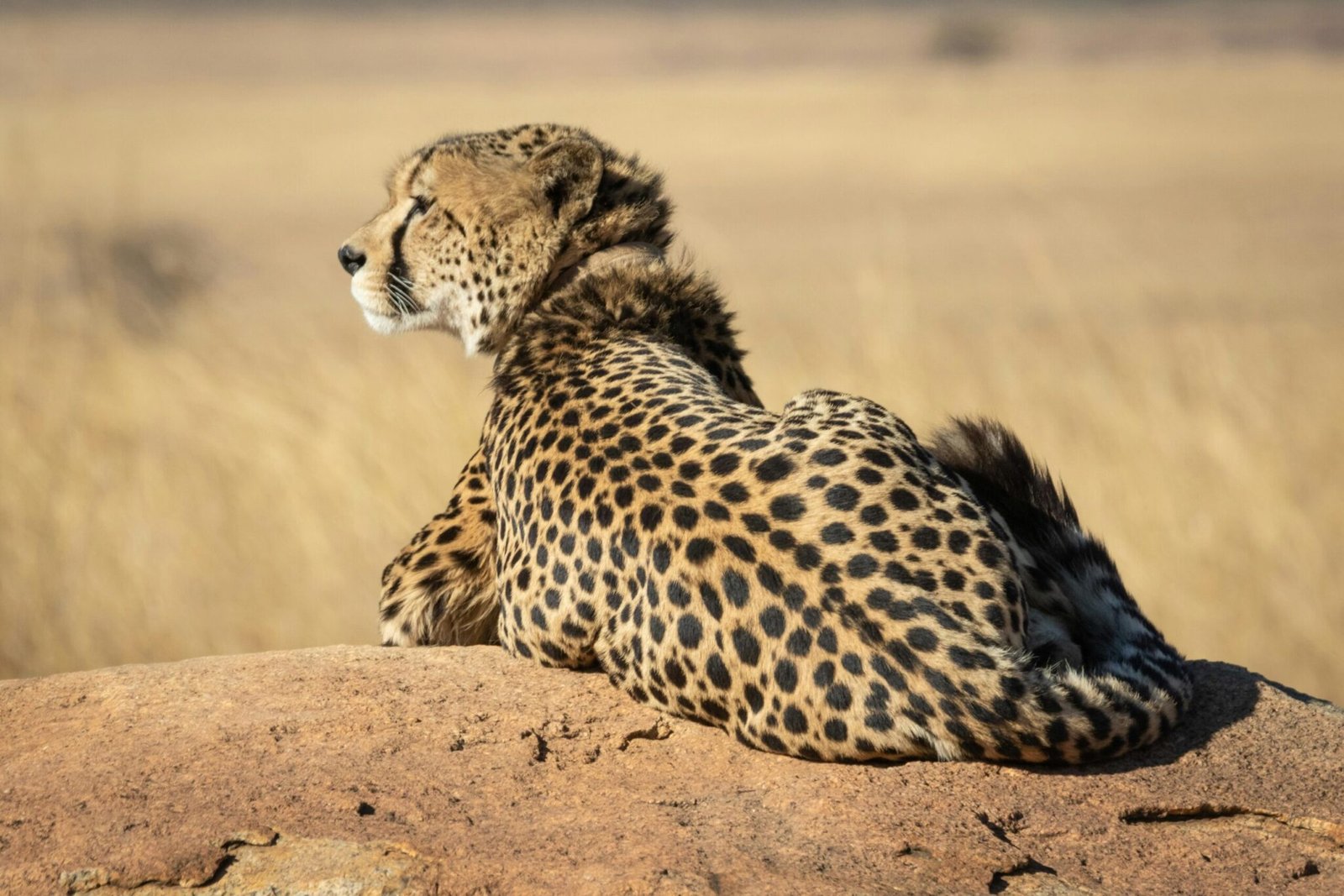
Where cheetahs scan the plains from termite mounds.
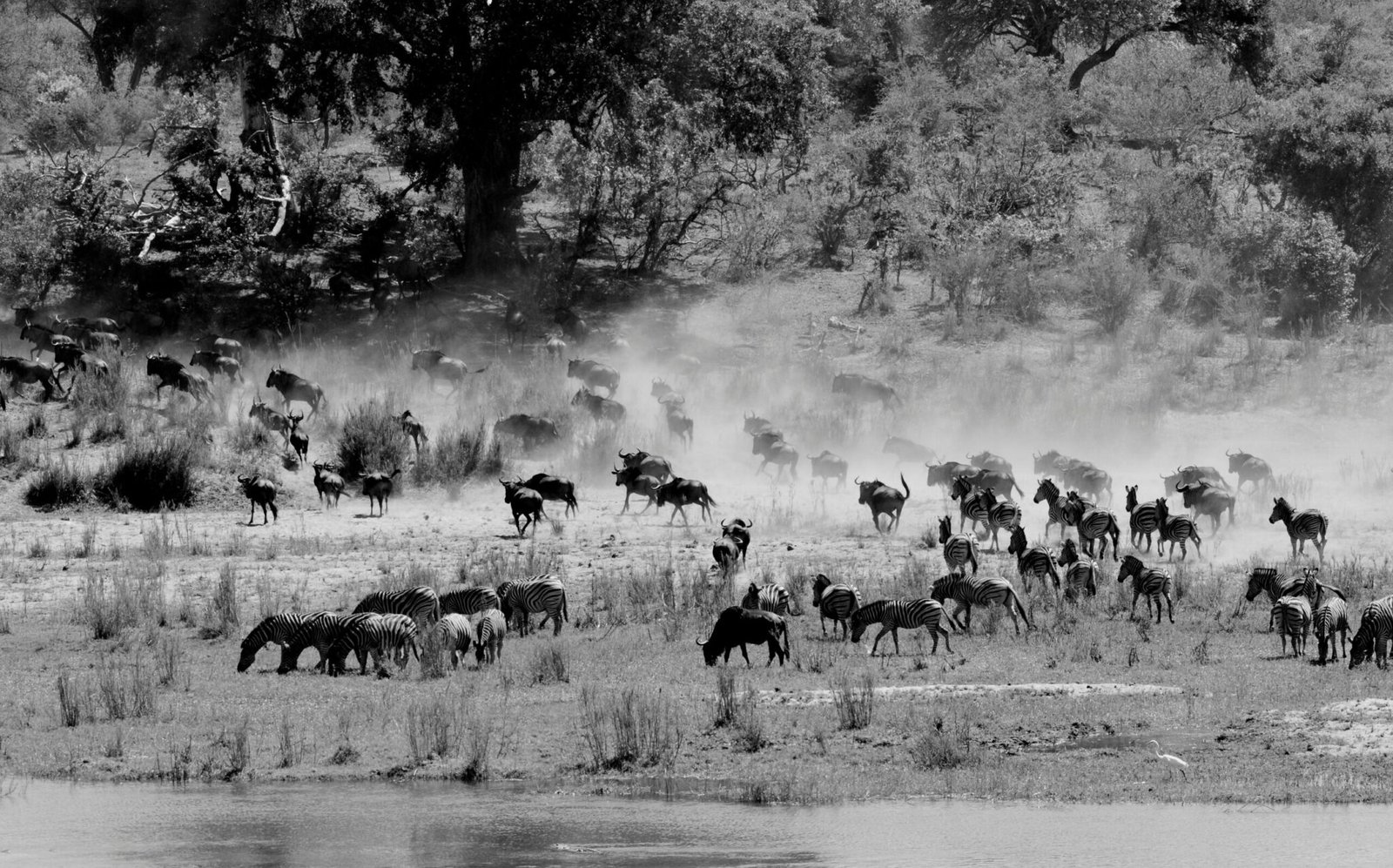
Where millions of wildebeest continue a migration older than memory itself.
And unlike many wildlife destinations around the world, the Serengeti still feels truly wild.
Not staged.
Not controlled.
Wild.
A Landscape That Never Looks the Same Twice
People often imagine the Serengeti as one endless flat plain.
But the reality is far more varied.
One day you are driving through open grasslands under enormous skies. The next, you are weaving between rocky kopjes where lions disappear into shadows between granite boulders. Then suddenly you are following riverbanks lined with palms and fever trees while hippos grunt below muddy water.
The Serengeti changes constantly.
Southern Serengeti
Wide open plains dominate the south. During calving season, thousands of wildebeest spread across short-grass fields while predators circle patiently nearby.
The atmosphere feels exposed. Vulnerable.
You can watch storms moving for miles.
Central Serengeti (Seronera)
This is the beating heart of the park.
Golden savannah. Acacia trees. River valleys. Big cats everywhere.
Leopards drape themselves over sausage tree branches while lions rest in the shade through the hottest hours of the afternoon.
For many guides, Seronera is where the Serengeti feels most alive.
Western Corridor
The landscape thickens here.
River systems attract crocodiles, elephants, and migrating herds during certain months. Dense woodland creates a completely different mood from the open plains further east.
Dusty roads become quieter. Wilder.
Northern Serengeti
The north feels remote and cinematic.
Rolling hills rise toward the Mara River, where one of nature’s most dramatic spectacles unfolds each year: the river crossings.
You wait.
The herd hesitates.
Crocodiles drift silently below the surface.
Then suddenly everything explodes into movement.
The Great Wildebeest Migration
No wildlife event on Earth feels quite like the Great Migration.
Not because of a single crossing.
Not because of one dramatic chase.
Because it never truly stops.
More than two million wildebeest, zebras, and gazelles move through the Serengeti ecosystem in a continuous circular journey driven by rain, grass, instinct, and survival.
And the movement changes the mood of the entire ecosystem.
Calving Season: January to March
Southern Serengeti becomes a nursery.
Hundreds of thousands of wildebeest gather on nutrient-rich plains to give birth. Newborn calves stand within minutes. Hyenas patrol nearby. Cheetahs watch from a distance.
Everything feels tense.
Life arriving everywhere at once.
For photographers and predator sightings, this is one of the most extraordinary safari seasons in Africa.
The Journey North: April to June
As rains shift, the herds begin moving.
Dust rises behind endless lines of animals stretching toward the horizon. Rivers swell. Crocodiles wait. Predators follow closely behind.
The migration during these months feels restless.
Constant motion.
Nothing stays still for long.
Mara River Crossings: July to October
This is the season most travelers dream about.
Northern Serengeti becomes the stage for the famous Mara River crossings. Wildebeest crowd riverbanks nervously while crocodiles remain almost invisible beneath dark water.
Sometimes the herds wait for hours.
Sometimes days.
Then suddenly one animal jumps.
And the entire river erupts into chaos.
Water splashes. Zebras scream. Dust and panic fill the air. Guides lean forward silently. Cameras click furiously.
And then, almost as quickly as it began, the crossing ends.
Leaving only drifting water and silence behind.
The Predators of Serengeti
Predators shape the atmosphere of the Serengeti.
Even when you cannot see them, you feel their presence.
A herd staring into tall grass.
Birds suddenly scattering.
Impala freezing mid-step.
Something is always watching.
Lions
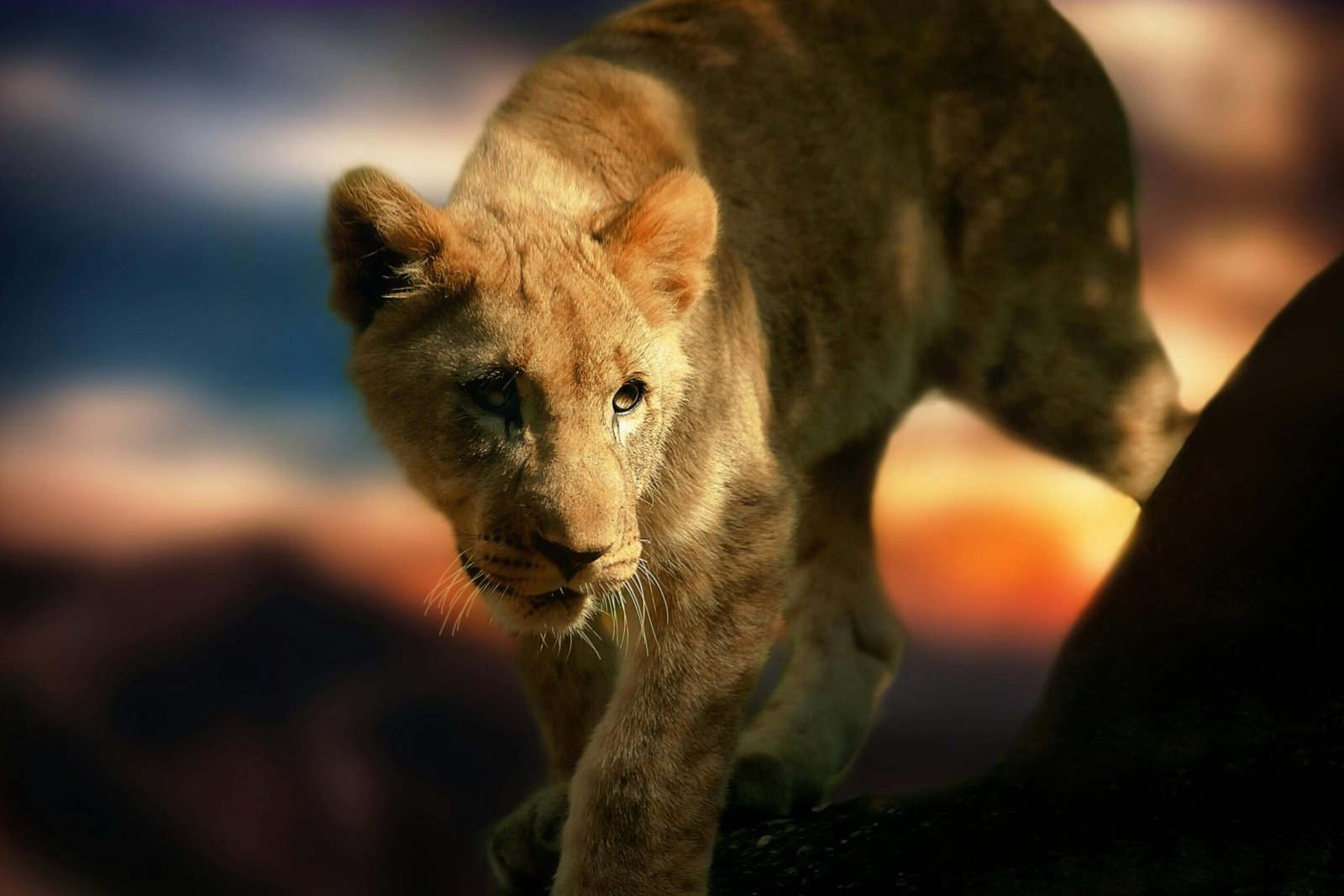
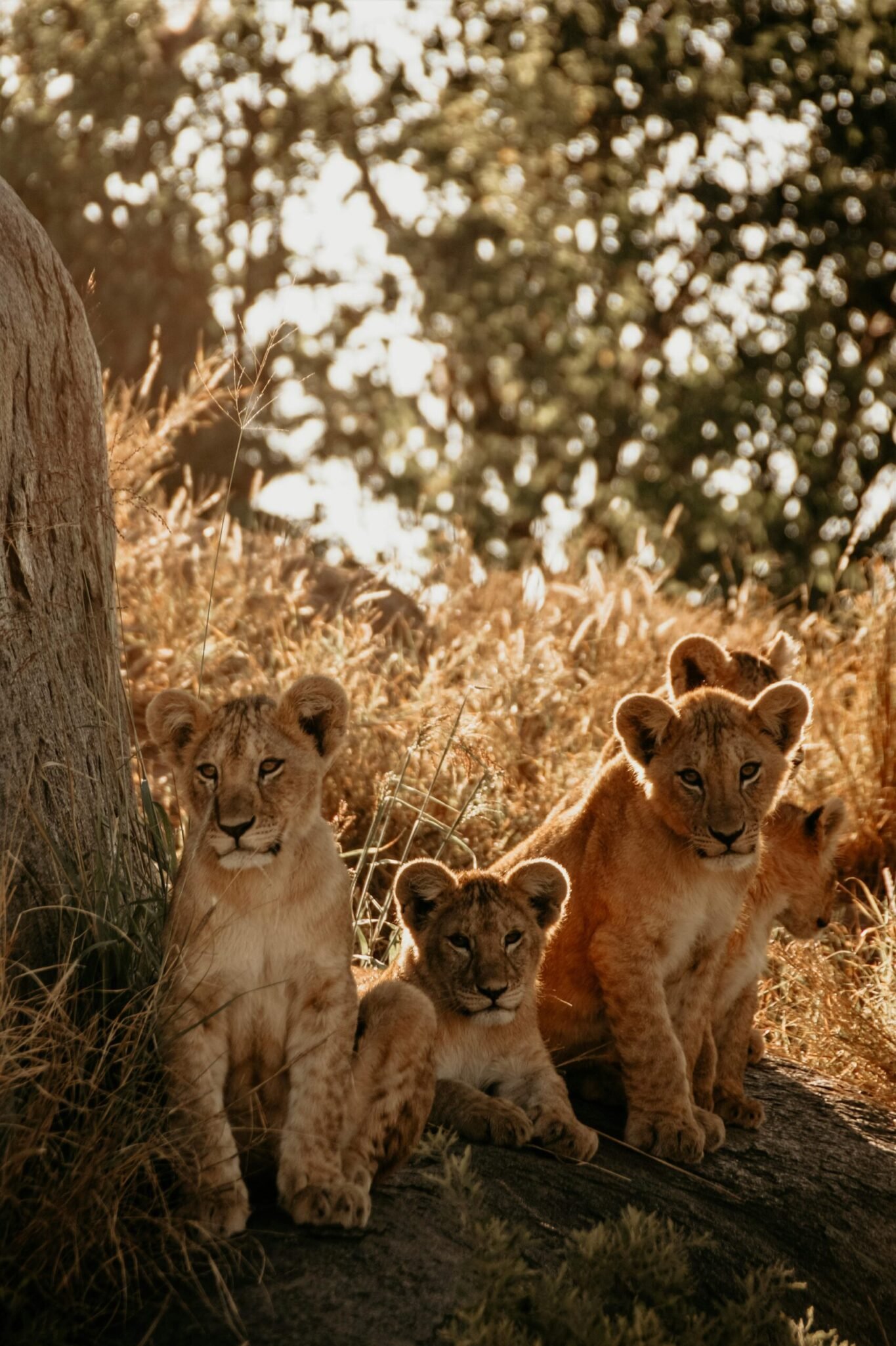
The Serengeti holds one of the largest lion populations in Africa.
You find them everywhere:
- sleeping beneath acacia trees
- stretched across kopjes
- stalking through tall grass at sunrise
- roaring into darkness after sunset
The sound of lions at night travels farther than most people expect.
Deep. Ancient. Almost physical.
Inside camp, conversations usually stop when the roaring begins.
Leopards
Leopards belong to shadows.
They move silently through riverine forests and often disappear before guests even realize they were there.
Some guides spend years learning the favorite trees of individual leopards.
And even then, sightings never feel guaranteed.
That unpredictability is part of the magic.
Cheetahs
The open plains of the Serengeti are perfect cheetah country.
You often find them elevated on termite mounds, scanning the horizon carefully before beginning a hunt.
Unlike lions, cheetahs feel restless.
Always alert.
Always searching.
Hyenas
Many travelers underestimate hyenas until they spend time watching them.
Intelligent. Social. Opportunistic.
At night, their calls echo across camp in strange bursts of laughter that sound both playful and unsettling at the same time.
Guides respect them deeply.
Beyond the Big Cats
The Serengeti is not only about predators.
Some of the most memorable safari moments happen quietly.
An elephant crossing the road at sunset.
A giraffe moving through morning mist.
Hippos grumbling in muddy pools while kingfishers flash above the water.
And then there are the smaller details many travelers miss at first:
- dung beetles rolling perfect spheres across the road
- bat-eared foxes hunting insects at dusk
- tiny dik-diks frozen beneath thorn bushes
- mongooses darting between rocks
The Serengeti rewards patience.
The longer you stay, the more the landscape reveals itself.
Birdlife in the Serengeti
Many visitors arrive focused entirely on mammals.
Then suddenly they notice the birds.
A secretary bird striding across open grasslands.
Fish eagles calling above rivers.
Lilac-breasted rollers flashing impossible colors in afternoon light.
With nearly 500 recorded bird species, the Serengeti becomes extraordinary for birdwatchers during the green season.
Especially after rain.
Everything feels louder then. More alive.
The Sound of the Serengeti at Night
Safari changes after dark.
Once the vehicles return to camp and lanterns begin glowing between tents, the bush slowly transforms.
You hear things differently.
Crickets.
Wind through canvas.
Distant hyenas.
Sometimes lions.
Then silence again.
Around campfires, guides begin telling stories:
- unexpected leopard encounters
- elephants walking through camp
- dramatic river crossings
- nights spent tracking lions under moonlight
These conversations often become travelers’ favorite memories.
Not because they are planned.
Because they feel real.
Best Time to Visit Serengeti National Park
There is no single “best” season.
Only different moods of the Serengeti.
| Season | Experience |
|---|---|
| January – March | Calving season and predator action |
| April – May | Green landscapes and fewer crowds |
| June – October | Dry season and river crossings |
| November – December | Beautiful skies and migratory birds |
Each season changes the feeling of the park completely.
That is why many travelers eventually return.
Once is rarely enough.
Safari Experiences in the Serengeti
Game Drives
Classic game drives remain the heart of Serengeti safari.
Early mornings are especially magical.
Cold air.
Golden light.
Fresh tracks in the road.
Every drive begins with possibility.
Hot Air Balloon Safaris
Floating silently above the plains at sunrise changes your perspective completely.
The migration below looks like moving rivers. Elephants become shadows crossing golden grass.
Then breakfast arrives in the bush beneath open skies.
It feels surreal.
Walking Safaris
In permitted areas, walking safaris reconnect travelers with smaller details often missed from vehicles.
Tracks.
Scents.
Bird calls.
Wind direction.
You begin understanding the bush differently on foot.
Staying in the Serengeti
Accommodation shapes the rhythm of safari.
Luxury Lodges
Elegant rooms overlooking plains or rivers. Sundowners beside infinity pools. Fine dining beneath stars.
Luxury in the Serengeti feels surprisingly intimate.
Tented Camps
For many experienced travelers, tented camps provide the most authentic experience.
Canvas walls. Lantern light. Wildlife sounds surrounding camp all night.
You feel closer to the landscape.
Mobile Migration Camps
These camps move seasonally with the herds.
Simple. Comfortable. Perfectly positioned.
You wake up already inside the migration.
Conservation and the Future of the Serengeti
The Serengeti survives because it remains protected.
Conservation here is not abstract.
It is visible every day:
- anti-poaching patrols
- community partnerships
- wildlife monitoring
- sustainable tourism practices
The future of the Serengeti depends on keeping this ecosystem connected and wild for future generations.
And responsible safari travel plays an important role in that future.
Why Travelers Keep Returning
Something about the Serengeti stays with people.
Maybe it is the silence before sunrise.
Or the movement of wildebeest across distant plains.
Or hearing lions after dark from inside a tent.
Many travelers arrive expecting wildlife.
What surprises them is the feeling.
The Serengeti slows people down. It sharpens attention. It reminds you how alive the natural world still is beyond cities and schedules.
And long after the safari ends, small moments return unexpectedly:
- dust glowing in evening light
- zebra calls at dawn
- footprints outside camp
- the endless horizon
That is the real power of the Serengeti.
Not just what you see.
What you carry home afterward.
Planning Your Serengeti Safari
The Serengeti rewards travelers who allow enough time to truly experience it.
Rushing through for one night rarely captures the depth of the ecosystem. A longer safari allows you to follow wildlife movement, explore different regions, and experience the changing atmosphere between mornings and evenings.
If you are planning a Tanzania safari, combining the Serengeti with places like Ngorongoro Crater, Tarangire National Park, or the beaches of Zanzibar City creates an unforgettable East African journey.
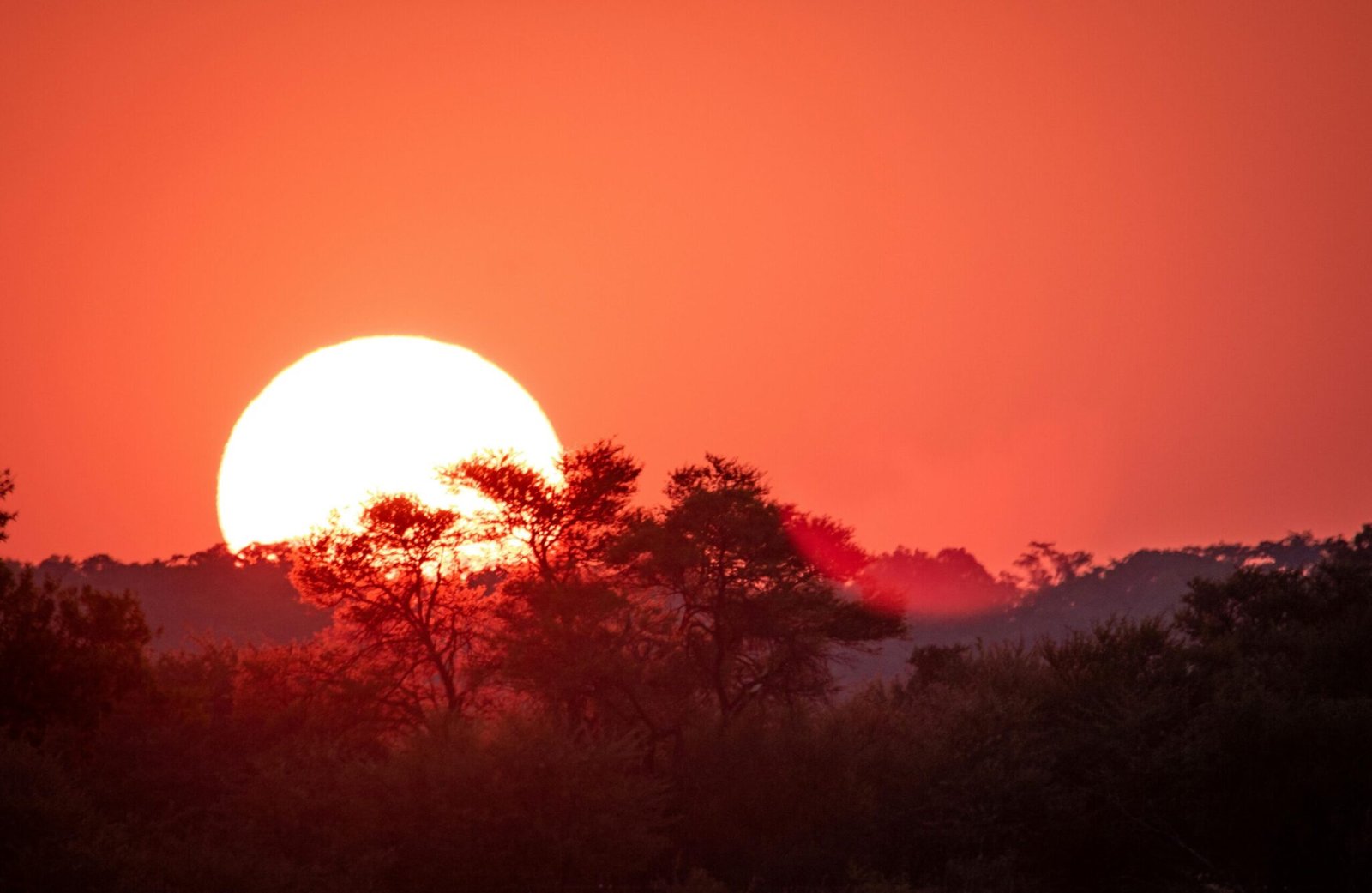
And if you ever find yourself sitting quietly in the Serengeti at sunset, watching elephants disappear into distant acacia trees while the sky turns copper above the plains, you will understand why so many people dream of returning before they have even left.