Tanzania Wildlife Complete FAQs

Tanzania Wildlife Complete FAQs
Animals, National Parks, Great Migration, Safari Experiences & Conservation
1. What wildlife can I see in Tanzania?
Tanzania is one of the best wildlife destinations in Africa and is home to an incredible variety of animals.
Visitors can see:
- Lions
- Elephants
- Leopards
- Cheetahs
- Buffalo
- Rhinoceroses
- Giraffes
- Zebras
- Wildebeest
- Hippos
- Crocodiles
- Hyenas
- Antelopes
- Many bird species
Tanzania’s protected areas provide some of the most unforgettable wildlife experiences in the world.
2. Is Tanzania the best country for an African safari?
Tanzania is considered one of Africa’s top safari destinations because of its large wilderness areas, abundant wildlife, and famous ecosystems.
The country is especially known for:
- Serengeti National Park
- Ngorongoro Crater
- Great Wildebeest Migration
- Large elephant populations
- Big cat sightings
- Diverse landscapes
Many travelers choose Tanzania for their first African safari because of its exceptional wildlife opportunities.
3. What is the Big Five in Tanzania?
The “Big Five” refers to five famous African animals:
- Lion
- Leopard
- Elephant
- Buffalo
- Rhinoceros
These animals were historically considered among the most challenging animals to hunt. Today, safari travelers enjoy seeing them through responsible wildlife tourism and conservation programs.
4. Can I see the Big Five on a Tanzania safari?
Yes, it is possible to see the Big Five in Tanzania.
The best places for Big Five sightings include:
- Ngorongoro Crater
- Serengeti National Park
- Tarangire National Park
Wildlife sightings are never guaranteed because animals move freely in their natural environment, but Tanzania offers excellent opportunities.
5. Where is the best place to see lions in Tanzania?
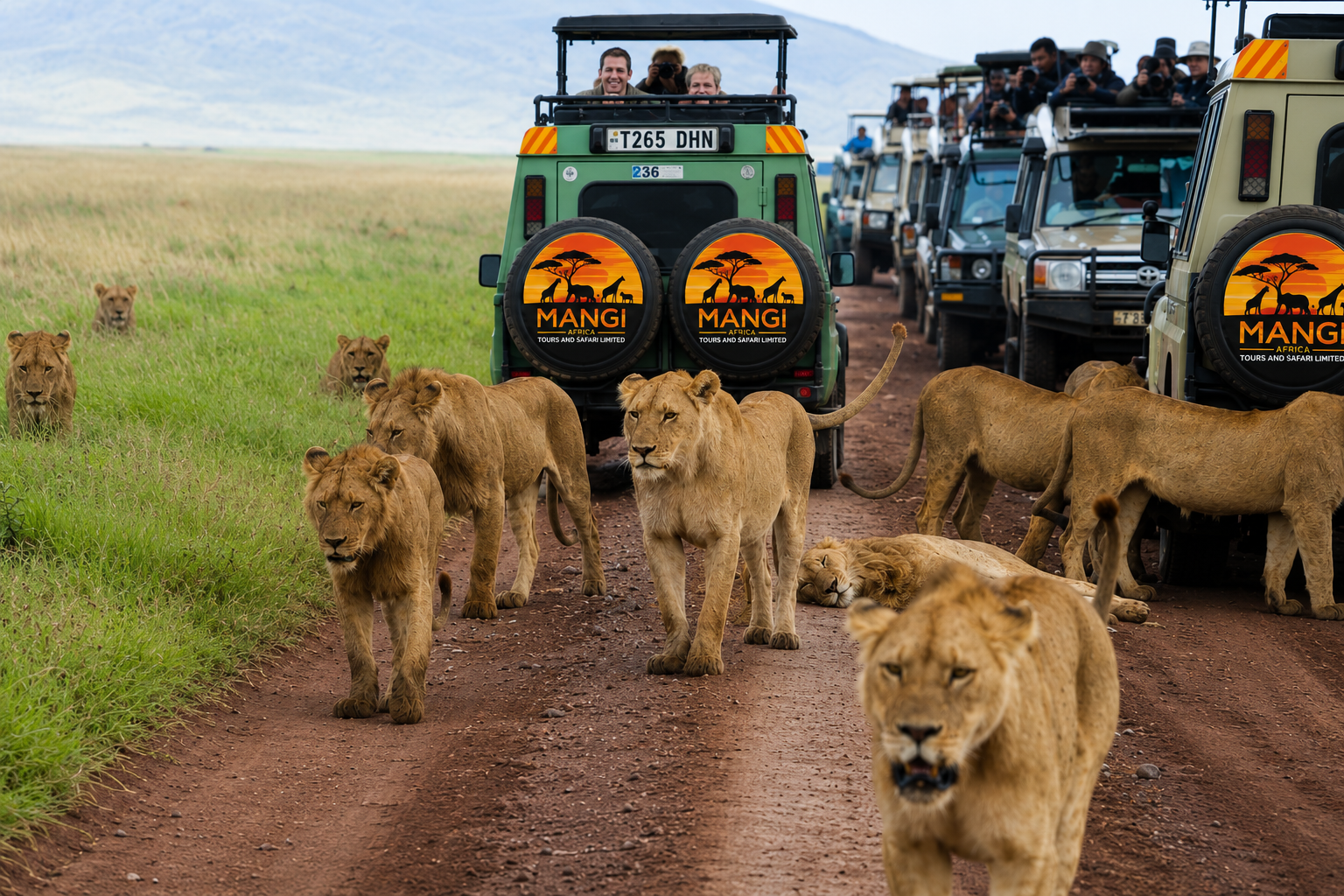
Tanzania is one of the best places in Africa to see lions.
Excellent locations include:
The Serengeti is especially famous for large lion populations and incredible predator-prey interactions.
6. Where can I see elephants in Tanzania?
Elephants can be seen throughout Tanzania.
The best locations include:
- Tarangire National Park
- Serengeti National Park
- Ruaha National Park
- Ngorongoro Conservation Area
Tarangire is particularly famous for large elephant herds and ancient baobab trees.
7. Where can I see leopards in Tanzania?
Leopards are more secretive than many other animals, but Tanzania offers excellent opportunities to spot them.
Popular areas include:
- Serengeti National Park
- Ngorongoro Crater
- Tarangire National Park
Experienced guides use their knowledge of animal behavior and habitats to increase the chances of sightings.
8. Can I see cheetahs in Tanzania?
Yes.
The Serengeti ecosystem is one of the best places in Africa to see cheetahs.
Cheetahs are often found in open grasslands where they use their incredible speed to hunt.
9. Where can I see giraffes in Tanzania?
Giraffes are common in many Tanzanian parks.
Great places to see them include:
- Tarangire National Park
- Serengeti National Park
- Arusha National Park
- Lake Manyara National Park
Their height and graceful movement make them one of the most popular safari animals.
10. What is the Great Wildebeest Migration?
The Great Wildebeest Migration is one of the world’s greatest wildlife spectacles.
Every year, millions of wildebeest, along with zebras and other animals, move across the Serengeti-Mara ecosystem searching for fresh grass and water.
The migration involves:
- Birth of thousands of calves
- Predator interactions
- River crossings
- Seasonal movements
11. When is the best time to see the Great Migration?
The best time depends on which part of the migration you want to experience.
General patterns:
- January–March: Calving season in southern Serengeti
- April–June: Movement toward western and northern Serengeti
- July–October: Northern Serengeti and river crossing season
- November–December: Return toward southern Serengeti
Migration timing changes naturally each year.
12. Where can I see the wildebeest river crossing?
The famous river crossings usually occur in northern Serengeti during the migration season.
The exact timing and location depend on rainfall, animal movement, and natural conditions.
Patience is important because wildlife follows its own schedule.
13. Are there giraffes in Serengeti National Park?
Yes.
Giraffes are commonly seen in Serengeti, especially around woodland areas and open plains.
They are often observed feeding on acacia trees and moving peacefully through the landscape.
14. Can I see the African wild dog in Tanzania?
Yes, although they are rare and difficult to spot.
African wild dogs are mainly found in areas such as:
- Ruaha National Park
- Selous/Nyerere National Park
They are one of Africa’s most endangered predators.
15. What birds can I see in Tanzania?
Tanzania is a paradise for bird lovers with hundreds of bird species.
Visitors may see:
- Flamingos
- Eagles
- Vultures
- Kingfishers
- Ostriches
- Secretary birds
- Hornbills
- Pelicans
Lake Manyara and Serengeti are excellent birdwatching destinations.
16. Are there crocodiles and hippos in Tanzania?
Yes.
Crocodiles and hippos can often be seen near rivers and water sources.
Good locations include:
- Serengeti rivers
- Ngorongoro Crater lakes
- Tarangire River
These animals are fascinating but should always be observed from a safe distance.
17. What is the best national park for wildlife in Tanzania?
The best park depends on what you want to see.
Serengeti National Park
- Great Migration
- Big cats
- Endless plains
Ngorongoro Crater
- High wildlife concentration
- Big Five opportunities
Tarangire National Park
- Elephants
- Baobab trees
Lake Manyara National Park
- Birds
- Tree-climbing lions (occasionally)
18. Can I see wildlife all year in Tanzania?
Yes.
Tanzania offers wildlife experiences throughout the year.
Different seasons provide different highlights, including:
- Migration
- Calving
- Predator sightings
- Bird watching
- Landscape changes
19. Are Tanzania safaris suitable for photographers?
Yes.
Tanzania is one of the world’s best destinations for wildlife photography.
Photographers enjoy:
- Golden sunrise game drives
- Dramatic landscapes
- Wildlife behavior
- Bird photography
- Predator encounters
Private vehicles are often preferred by photographers because they provide flexibility.
20. How close can I get to wild animals on safari?
Safari vehicles usually follow park regulations and maintain safe distances from wildlife.
Animals are wild and move freely, creating authentic experiences without disturbing their natural behavior.
21. Are Tanzania animals dangerous?
Wild animals can be dangerous if approached incorrectly.
Safari guides are trained to:
- Maintain safe distances
- Understand animal behavior
- Follow park rules
- Ensure visitor safety
Always follow your guide’s instructions.
22. What is the best age for children to go on safari?
Children can enjoy Tanzania safaris.
Private safaris are often recommended for families because schedules can be adjusted according to children’s needs.
23. Can I combine wildlife safari with Zanzibar?
Yes.
A safari followed by a Zanzibar beach holiday is one of Tanzania’s most popular combinations.
Travelers can enjoy:
- Wildlife adventures
- Cultural experiences
- Tropical beaches
24. What makes Serengeti wildlife special?
The Serengeti is famous for:
- Vast open plains
- Large animal populations
- Predator activity
- Great Migration
- Incredible landscapes
It is one of the world’s most important wildlife ecosystems.
25. Why is Ngorongoro Crater famous?
Ngorongoro Crater is famous because it contains a high concentration of wildlife within a unique volcanic landscape.
Visitors may see:
- Lions
- Elephants
- Buffalo
- Hippos
- Zebras
- Wildebeest
- Flamingos
26. Why is Tarangire National Park special?
Tarangire is known for:
- Large elephant herds
- Ancient baobab trees
- Seasonal wildlife concentrations
- Beautiful landscapes
It is an excellent addition to a northern Tanzania safari.
27. What is wildlife conservation in Tanzania?
Wildlife conservation protects animals, habitats, and ecosystems for future generations.
Tourism contributes to conservation through:
- Park fees
- Community projects
- Anti-poaching programs
- Environmental protection
28. Are Tanzania safaris environmentally friendly?
Responsible safari companies follow practices that protect nature, including:
- Respecting wildlife distances
- Reducing waste
- Supporting conservation
- Working with local communities
29. Why choose Mangi Africa Tours for a wildlife safari?
Mangi Africa Tours and Safaris provides authentic Tanzanian wildlife experiences through:
- Experienced local guides
- Private safari options
- Customized itineraries
- Knowledge of wildlife areas
- Responsible tourism practices
We help travelers discover Tanzania’s incredible wildlife while creating memorable journeys.
30. How do I book a Tanzania wildlife safari?
Booking is simple:
- Contact Mangi Africa Tours and Safaris.
- Share your preferred dates and interests.
- Receive a customized safari itinerary.
- Confirm your booking.
- Begin your Tanzania wildlife adventure.
Whether you dream of the Serengeti Migration, Big Five sightings, or a private family safari, our team can help design your perfect experience.