

Kilimanjaro Trek Packages Cost 2026/2027

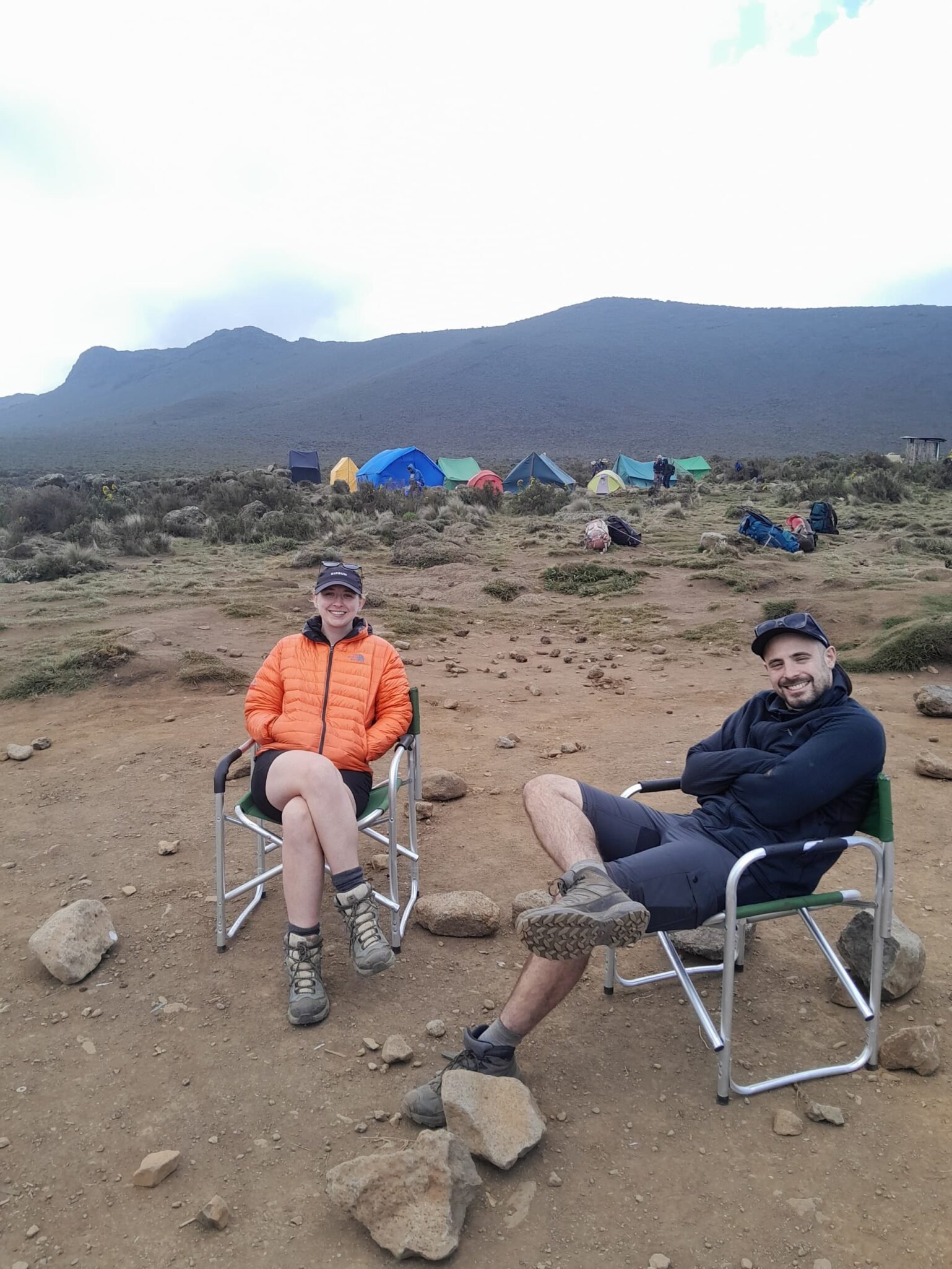
Kilimanjaro Trek Packages Cost 2026/2027
Budget, Mid-Range & Luxury Climbs with Local Experts from Tanzania
“Pole pole.”
Slowly, slowly.It is the rhythm of Kilimanjaro.
The rhythm our guides use while leading climbers through misty rainforest trails before dawn.
The rhythm that helps strangers become summit partners.
The rhythm that carries people from the heat of Tanzania’s plains to the icy roof of Africa.
At Mangi Africa Tours and Safaris, we have watched thousands of travellers arrive in Tanzania with nervous excitement in their eyes.
Some come dreaming about standing on Uhuru Peak.
Others come searching for something harder to explain.
A challenge.
A reset.
A story worth carrying home forever.
And almost every climber asks the same question before booking:
“How much does it cost to climb Kilimanjaro in 2026 or 2027?”
The answer depends on the kind of mountain experience you want.
Because Kilimanjaro is not just one climb.
It can be:
- a raw adventure shared with a small group of trekkers
- a comfortable mid-range expedition with experienced local support
- or a fully supported luxury journey with private camps and premium mountain service
But no matter the package, one thing remains true:
The people guiding your climb matter more than anything else.
The mountain is beautiful.
The summit is unforgettable.
But the experience between those moments is what truly stays with you.
That is where local knowledge changes everything.
Why Climb Kilimanjaro with a Local Tanzanian Company?
Trusted by travelers worldwide, Mangi Africa Tours and Safaris Limited continues to receive outstanding reviews on Triadvisor and Tourhq for unforgettable Tanzania safari experiences.
There is a difference between booking Kilimanjaro online… and climbing it with people who grew up beneath the mountain.
At Mangi Africa Tours and Safaris, Kilimanjaro is not simply a product we sell.
It is part of home.
Many of our mountain crew come from villages around Moshi and the Kilimanjaro region itself. They know the moods of the mountain:
- when clouds signal rain
- when altitude is affecting a climber before symptoms become obvious
- where the most beautiful sunrise viewpoints wait in silence before other groups arrive
Our guides have spent years walking these trails:
- Machame
- Lemosho
- Marangu
- Rongai
- Northern Circuit
Not as tourists.
But as mountain professionals who genuinely care whether you reach the summit safely and enjoy the journey along the way.
Kilimanjaro Trek Package Costs 2026/2027
Average Kilimanjaro Prices
| Package Type | Average Price Per Person |
|---|---|
| Budget Kilimanjaro Trek | $1,700 – $2,400 |
| Mid-Range Kilimanjaro Trek | $2,500 – $4,000 |
| Luxury Kilimanjaro Trek | $4,500 – $8,000+ |
Kilimanjaro Route Cost Comparison 2026/2027
| Route | Days | Average Cost |
|---|---|---|
| Marangu | 5–6 | $1,700–$2,600 |
| Machame | 6–7 | $1,900–$3,000 |
| Rongai | 6–7 | $1,900–$3,000 |
| Lemosho | 7–8 | $2,200–$4,500 |
| Northern Circuit | 8–9 | $2,500–$5,500 |
Your final price depends on:
- route choice
- number of days
- private or group climb
- season
- hotel standard
- level of comfort
- guide-to-climber ratio
At Mangi Africa Tours and Safaris, we help travellers choose the right climb honestly — not simply the most expensive one.
Because the best Kilimanjaro experience is the one that fits you personally.
Budget Kilimanjaro Packages 2026/2027
Affordable Adventures Without Losing the Spirit of the Mountain
Budget climbs are popular with:
- solo travellers
- backpackers
- students
- younger adventurers
- travellers focusing mainly on reaching the summit affordably
These packages usually include:
- shared group departures
- camping equipment
- mountain meals
- licensed guides
- porters
- airport transfers
- basic hotel accommodation
Even on budget climbs, we believe some things should never be compromised:
- safety
- fair porter treatment
- quality guiding
- emergency preparedness
Because on Kilimanjaro, the mountain always deserves respect.
Budget Machame Route Climbs
The Machame Route remains one of our most recommended budget-friendly climbs because it offers:
- beautiful scenery
- strong acclimatization
- excellent summit success rates
- a true wilderness camping experience
The trail begins deep inside rainforest.
Colobus monkeys move quietly overhead.
Rain drips from giant trees covered in moss.
Then slowly, day by day, the landscape changes completely until the mountain becomes volcanic, silent, and almost lunar near the summit.
It feels like walking through several worlds in one journey.
Mid-Range Kilimanjaro Packages
The Best Balance Between Comfort, Safety & Experience
For most travellers, mid-range climbs offer the best overall Kilimanjaro experience.
This is where the mountain still feels adventurous and authentic… but with stronger comfort and support systems behind the scenes.
At camp after a long trekking day, small things suddenly matter:
- hot tea waiting inside the dining tent
- warm washing water
- thicker sleeping mattresses
- fresh meals prepared by mountain chefs
- experienced guides checking your oxygen levels before bed
These details make a huge difference at altitude.
What Makes Our Mid-Range Climbs Different?
At Mangi Africa Tours and Safaris, our mid-range Kilimanjaro packages include:
Experienced Local Mountain Guides
Our guides understand pacing deeply.
They know when to slow down.
When to encourage.
When to rest.
And when a climber simply needs confidence more than speed.
Proper Acclimatization Itineraries
One of the biggest mistakes climbers make is choosing routes that are too short.
We strongly recommend:
- 7-day climbs minimum
- 8-day climbs for better summit success
Especially for first-time altitude trekkers.
Quality Camping Equipment
Good sleep matters on Kilimanjaro.
Our mountain equipment includes:
- durable weather-resistant tents
- insulated sleeping mats
- comfortable dining tents
- private toilet tents on selected packages
When temperatures drop below freezing near Barafu Camp, quality gear becomes essential.
Luxury Kilimanjaro Trek Packages 2026/2027
Kilimanjaro with Comfort, Privacy & Premium Service
Luxury climbing does not make Kilimanjaro easier.
The altitude remains real.
The summit still demands effort.
But luxury expeditions reduce unnecessary stress and discomfort so you can focus fully on the experience itself.
What Our Climbers Say
“The guides felt like family. Every day they motivated us and helped us reach the summit safely.”
“The Lemosho Route exceeded every expectation. Professional crew and incredible organization.”
Our luxury climbs may include:
- spacious private tents
- portable toilets
- premium hotel stays
- private climbing teams
- highly experienced senior guides
- extensive safety equipment
- customized meals
- flexible pacing
This style works especially well for:
- honeymoon travellers
- families
- private groups
- older climbers
- photographers
- travellers wanting maximum comfort on the mountain
Our Most Recommended Kilimanjaro Routes
Lemosho Route
Our Favourite Route for Scenery & Acclimatization
If someone asks our guides:
“Which route would you choose for your own family?”
Many answer: Lemosho.
Why?
Because it gives the mountain time to unfold naturally.
The first days feel remote and peaceful.
You cross the vast Shira Plateau beneath giant skies.
You sleep under brilliant stars far from city lights.
And by summit night, your body has usually acclimatized better than on shorter routes.
Lemosho is not rushed.
It allows travellers to experience Kilimanjaro slowly — the way the mountain prefers.
Northern Circuit Route
The Most Complete Kilimanjaro Experience
For travellers wanting:
- fewer crowds
- longer acclimatization
- higher summit success
- deeper immersion
…the Northern Circuit is extraordinary.
It circles around the quieter side of Kilimanjaro where the mountain feels vast and untouched.
Sometimes entire valleys remain silent except for wind moving through volcanic rock.
No traffic.
No noise.
Just the mountain.
This route is especially popular among our luxury and private climbers.
Marangu Route
The Classic Hut Route


Marangu is the only route using mountain huts instead of camping tents.
Some travellers prefer this because:
- huts feel warmer
- no tent setup is needed
- the route is physically straightforward
However, shorter Marangu itineraries can reduce acclimatization time, so we usually recommend longer versions whenever possible.
What Is Included in Our Kilimanjaro Packages?
Most climbs with Mangi Africa Tours and Safaris include:
Included
- Kilimanjaro park fees
- rescue fees
- professional mountain guides
- porters and cooks
- mountain tents
- meals on the mountain
- oxygen cylinder
- pulse oximeter checks
- airport transfers
- hotel accommodation before and after trek
Excluded
- international flights
- visas
- travel insurance
- personal trekking gear
- crew tips
We explain every cost clearly before booking so travellers understand exactly what is included.
No hidden surprises.
The Human Side of the Mountain
One thing travellers often say after climbing with us:
“It felt like climbing with family.”
That matters deeply to us.
Because Kilimanjaro is not only about reaching Uhuru Peak.
It is also about:
- sharing stories around the dinner tent
- hearing porter songs echo through camp
- watching sunrise above the clouds together
- encouraging each other during difficult moments
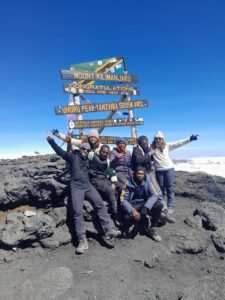
Our guides celebrate every summit personally.
Not because it is routine.
But because every climber’s journey is different.
Some people arrive nervous.
Some emotional.
Some uncertain if they can do it.
And watching them stand on the roof of Africa never becomes ordinary.
Best Time to Climb Kilimanjaro in 2026/2027
January to March
Excellent for:
- clearer skies
- fewer crowds
- colder summit conditions
- photography
June to October
The busiest trekking season.
Popular because:
- weather is drier
- trails are more stable
- summit conditions are usually favourable
This period is ideal for first-time climbers.
Why Responsible Climbing Matters
At Mangi Africa Tours and Safaris, we believe a successful climb should also support the people behind the experience.
That includes:
- fair porter treatment
- proper wages
- safe equipment
- ethical mountain operations
Because the porters carrying tents, food, and supplies are part of what makes Kilimanjaro possible.
Without them, there is no climb.
Responsible tourism matters here in Tanzania.
And travellers increasingly want to know their adventure supports local communities fairly.
Choosing the Right Kilimanjaro Package
Budget Trek
Best for:
- adventurous travellers
- backpackers
- climbers comfortable with basic camping
Mid-Range Trek
Best for:
- most travellers
- couples
- first-time altitude trekkers
- climbers wanting strong value and comfort
Luxury Trek
Best for:
- private travellers
- families
- honeymooners
- photographers
- climbers prioritizing comfort and premium service
A Final Word from Our Kilimanjaro Team
Long after climbers leave Tanzania, many forget the exact price they paid.
But they remember:
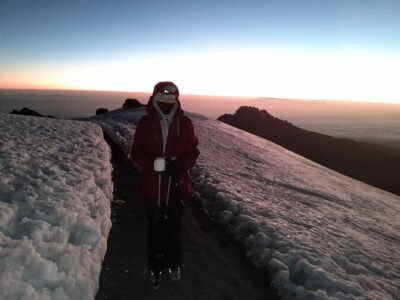
- the cold air before sunrise
- the sound of boots on volcanic gravel
- the laughter inside camp tents
- the first sight of glaciers at dawn
- the guide who encouraged them near Stella Point when exhaustion hit hardest
That is the real Kilimanjaro experience.
Not simply reaching the summit.
But sharing the journey with people who know and love this mountain deeply.
At Mangi Africa Tours and Safaris, we would be honoured to help you experience Kilimanjaro not as tourists passing through Tanzania… but as guests welcomed into it.
Because for us, this mountain is more than a destination.
It is home.
What to Bring for Kilimanjaro Trek (2026/2027)
Climbing Kilimanjaro is not just about strength.
It is about preparation.
Because the mountain does not forgive poor planning — especially when the weather shifts from tropical rainforest heat to freezing alpine wind within a single day.
At Mangi Africa Tours and Safaris, we always tell our climbers:
“If you pack well, the mountain becomes enjoyable. If you pack poorly, every step becomes a challenge.”
Many climbers underestimate how important route choice on Mount Kilimanjaro becomes during the trek. Some routes prioritize scenery, others acclimatization, while some focus on shorter and more affordable itineraries. Travellers still deciding between Machame Route, Lemosho Route, Marangu Route, Rongai Route, or the Northern Circuit Route can explore our complete Kilimanjaro Routes Comparison Guide 2026/2027 before choosing the right climb.
Essential Kilimanjaro Packing List
Clothing (Layer System is Everything)
You will need clothing that works in multiple climate zones:
Base Layers
- Thermal underwear (top & bottom)
- Moisture-wicking T-shirts
- Long-sleeve breathable shirts
Mid Layers
- Fleece jacket or soft shell
- Warm trekking pants
Outer Layers
- Waterproof jacket with hood
- Waterproof trousers (very important)
Warm Summit Gear
- Insulated down jacket (must be very warm)
- Thermal gloves (waterproof recommended)
- Warm hat / beanie
- Balaclava or neck gaiter
Footwear
- Waterproof broken-in hiking boots (very important)
- Warm trekking socks (wool recommended)
- Lightweight camp shoes or sandals (for evenings at camp)
Daypack Essentials (You Carry Daily)
- 25–40L backpack
- At least 3 litres of water capacity
- Headlamp with extra batteries
- Rain jacket (always accessible)
- Snacks (energy bars, nuts, chocolate)
- Sunscreen & lip balm
- Camera or phone
- Personal medication if needed
Duffel Bag (Carried by Porters)
Your main luggage will be carried by porters and should include:
- All clothing not used during the day
- Sleeping bag (-10°C to -20°C recommended)
- Spare clothes
- Toiletries
- Extra batteries & chargers
Sleeping Gear
- 4-season sleeping bag (very important at high altitude)
- Sleeping bag liner (extra warmth)
- Inflatable or foam sleeping mat (usually provided, but check package)
Personal & Health Items
- Personal first aid kit
- Altitude medication (if prescribed by doctor)
- Wet wipes & hand sanitizer
- Toilet paper
- Electrolytes for hydration
- Every Kilimanjaro trekking package is different. Some travellers prioritize summit success, others comfort, photography, wildlife extensions, or Zanzibar relaxation afterward. At Mangi Africa Tours and Safaris, our local team helps travellers choose the right itinerary honestly based on their travel style, budget, and goals.
Kilimanjaro National Park (TANAPA) Regulations You Must Follow
Climbing Kilimanjaro is strictly regulated by the Tanzania National Parks Authority (TANAPA).
These rules are not optional — they protect both climbers and the mountain ecosystem.
Key Rules Every Climber Must Follow
- You must climb with a licensed local guide
- Solo trekking is not allowed
- All climbers must register at park gates.
- You must stay on designated trails only
- No littering — everything must be carried back down
- No plastic carrier bags allowed in Tanzania
- Camping only in official campsites
- No wildlife disturbance or feeding animals
Environmental Protection Rules
Kilimanjaro is a UNESCO World Heritage Site, and conservation is taken seriously.
You must:
- Carry out all trash (nothing left on the mountain)
- Use reusable bottles (plastic bottles are discouraged)
- Avoid damaging vegetation or glaciers
- Respect wildlife and natural habitats
Safety Regulations
- Climbers must descend immediately if altitude sickness becomes severe
- Proper acclimatization is required (recommended 7–8 day routes)
- Porters carry limited regulated weight for safety
- All expeditions are monitored by park rangers
Important Packing Advice from Local Guides
At high altitude:
- Everything feels colder than expected
- Batteries drain faster
- Wet clothes take longer to dry
- Lightweight gear becomes useless if not warm enough
That is why our guides always say:
“On Kilimanjaro, warm is not a comfort — warm is survival.”
Final Packing Insight from Mangi Africa Tours
When you climb with Mangi Africa Tours and Safaris, we help you review your packing list before departure.
We make sure:
- nothing essential is missing
- gear is suitable for altitude
- clothing matches your chosen route
- safety standards are met before the climb begins
Because a well-prepared climber has one advantage on Kilimanjaro:
Peace of mind — step by step, all the way to Uhuru Peak.
EXTEND YOUR JOURNEY: TANZANIA SAFARI AFTER KILIMANJARO
There is a strange moment that happens after Kilimanjaro.
Your body comes down the mountain…
but your mind is still somewhere above the clouds.
And then, a few hours or days later, you step into the Serengeti.
Everything changes.
The silence of the mountain is replaced by life — constant, wild, moving life.
From Summit Silence to the Savannah Roar
After Kilimanjaro, many travellers choose to continue with a northern Tanzania safari circuit, where the landscapes feel almost unreal in contrast:
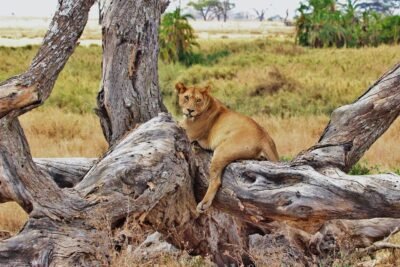
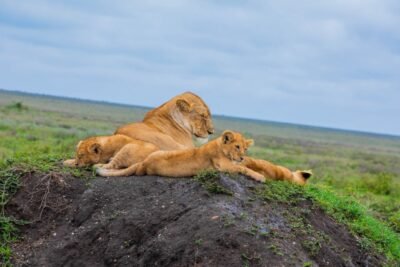
- Lions resting after a night hunt in the Serengeti grasslands
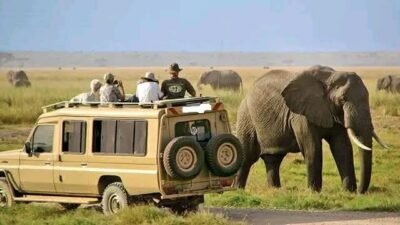
- Elephants walking slowly through Tarangire’s ancient baobab valleys
- Flamingos painting the alkaline lakes pink
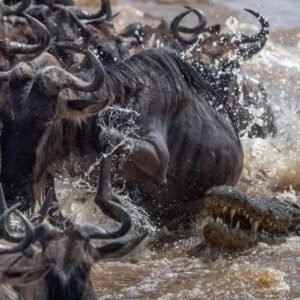
- The Great Migration thundering across river crossings
This is not a zoo.
It is not staged.
It is life unfolding exactly as it has for thousands of years.
Recommended Safari Add-Ons After Kilimanjaro
- Serengeti National Park – The endless plains and Great Migration
- Ngorongoro Crater – The world’s largest intact volcanic caldera
- Tarangire National Park – Elephants, baobabs, and quiet wilderness
- Lake Manyara National Park – Tree-climbing lions and bird paradise
Suggested Safari Combinations
- 3 Days Safari (Ngorongoro + Tarangire)
- 5–6 Days Northern Circuit Safari
- 7–10 Days Great Migration Safari (Seasonal)
“Kilimanjaro + Safari Combo Packages 2026/2027”
ZANZIBAR: THE PERFECT ENDING TO YOUR KILIMANJARO JOURNEY
After the cold summit winds…
after the dust, the effort, the silence…
Zanzibar feels like another world entirely.
Warm air replaces mountain cold.
Bare feet replace hiking boots.
And time begins to slow down again.
From Snow to Sea in One Journey
Most travellers who climb Kilimanjaro finish their journey on Zanzibar’s coastline, where the Indian Ocean meets centuries of Swahili culture.
Here, life feels lighter:
- swimming in warm turquoise water
- sailing on traditional dhow boats at sunset
- wandering through historic Stone Town alleys
- tasting fresh seafood by the ocean
Top Zanzibar Experiences After Safari or Kilimanjaro
- Stone Town – UNESCO World Heritage cultural maze
- Nungwi Beach – Vibrant beaches and sunset dhow cruises
- Kendwa Beach – Calm waters and honeymoon atmosphere
Recommended Zanzibar Packages
- 3 Nights Beach Escape (Quick recovery after safari)
- 5 Nights Relaxation + Culture Tour
- 7+ Nights Luxury Honeymoon Zanzibar
“Best Zanzibar Beach Holidays After Kilimanjaro 2026/2027”
EXPANDED FAQ: KILIMANJARO + SAFARI + ZANZIBAR COMBINATION
Can I combine Kilimanjaro, safari, and Zanzibar in one trip?
Yes — and it is one of the most popular Tanzania itineraries.
A typical flow looks like:
- Kilimanjaro trek (6–8 days)
- Safari in Serengeti & Ngorongoro (3–6 days)
- Zanzibar beach holiday (3–7 days)
This combination gives you:
- mountain adventure
- wildlife experience
- ocean relaxation
Three worlds in one journey.
How many days do I need for the full Tanzania experience?
We recommend:
- Kilimanjaro: 7–8 days
- Safari: 4–7 days
- Zanzibar: 3–7 days
Total: 14–21 days for a full experience
Shorter versions are possible depending on budget and time.
What is the best order: Kilimanjaro, safari, or Zanzibar first?
Most travellers choose:
1. Kilimanjaro first → physical challenge while fresh
2. Safari second → recovery with game drives
3. Zanzibar last → full relaxation
This order works best for body recovery and travel rhythm.
Is Tanzania safe for combined trips?
Yes. When arranged with a licensed local operator like
Mangi Africa Tours and Safaris, your entire journey is organized with:
- professional guides
- safe transport
- verified accommodations
- 24/7 local support
Why do most climbers add safari or Zanzibar after Kilimanjaro?
Because Kilimanjaro changes your perspective.
And safari and Zanzibar complete the story:
- Kilimanjaro = achievement
- Safari = wild connection
- Zanzibar = emotional relaxation
Together, they create the full Tanzania experience.
About Mangi Africa Tours and Safaris
Based in Tanzania, Mangi Africa Tours and Safaris specializes in Kilimanjaro trekking, wildlife safaris, and Zanzibar holidays. Our local guides and mountain crews have extensive experience leading climbers on every major Kilimanjaro route.
FINAL TRAVEL FLOW.
The Complete Tanzania Journey 2026/2027
Most travellers choose this natural progression:
Step 1: Kilimanjaro Trek
Challenge yourself on Africa’s highest mountain.
Step 2: Northern Tanzania Safari
Explore Serengeti, Ngorongoro, Tarangire, and Lake Manyara.
Step 3: Zanzibar Beach Holiday
Relax on white sand beaches and Indian Ocean waters.“Explore Complete Kilimanjaro + Safari + Zanzibar Packages with Mangi Africa Tours & Safaris”
Frequently Asked Questions About Kilimanjaro Trek Packages Cost 2026/2027
1. How much does it cost to climb Mount Kilimanjaro in 2026/2027?
The cost of climbing Mount Kilimanjaro typically ranges from $1,700 to over $8,000 per person, depending on the route, number of days, group size, accommodations, and level of service. Budget group climbs are the most affordable, while private luxury expeditions offer the highest level of comfort and support.
2. Why are Kilimanjaro trekking packages expensive?
A large portion of the cost goes toward Kilimanjaro National Park fees, conservation fees, rescue fees, guide and porter wages, camping equipment, meals, transportation, and safety services. Responsible operators also ensure fair treatment and proper compensation for mountain crews.
3. Which Kilimanjaro route offers the best value for money?
The Machame Route is often considered the best value because it combines excellent scenery, strong acclimatization opportunities, high summit success rates, and reasonable pricing compared to longer routes.
4. What is the cheapest way to climb Kilimanjaro?
Joining a scheduled group trek is usually the most affordable option. Group departures allow climbers to share guide, porter, transport, and camping costs, making the overall price lower than a private climb.
5. Which Kilimanjaro route has the highest summit success rate?
The Northern Circuit Route and Lemosho Route generally have some of the highest summit success rates because they provide more time for acclimatization, allowing climbers to adjust gradually to the altitude.
6. How many days do I need to climb Kilimanjaro?
Most climbers need between 6 and 9 days. However, 7- or 8-day itineraries are strongly recommended because they improve acclimatization and significantly increase the chances of reaching Uhuru Peak successfully.
7. Is Kilimanjaro suitable for beginners?
Yes. Thousands of first-time trekkers successfully climb Kilimanjaro every year. No technical climbing skills are required, but proper preparation, fitness training, and choosing the right route are essential for success.
8. What is included in a Kilimanjaro trekking package?
Most Kilimanjaro packages include park fees, rescue fees, licensed guides, porters, cooks, camping equipment, mountain meals, accommodation before and after the trek, and airport transfers. Always check package details to understand what is included and excluded.
9. What is not included in most Kilimanjaro packages?
International flights, Tanzanian visas, travel insurance, personal trekking equipment, drinks outside included meals, and guide and porter tips are usually not included in the package price.
10. What is the best time to climb Mount Kilimanjaro?
The most popular climbing seasons are January to March and June to October. These periods typically offer drier weather, clearer views, and favorable trekking conditions.
11. How difficult is climbing Mount Kilimanjaro?
Kilimanjaro is considered a challenging trek rather than a technical climb. The biggest challenge is altitude, not steep terrain. Proper acclimatization, pacing, hydration, and support from experienced guides greatly improve success rates.
12. Do I need travel insurance for Kilimanjaro?
Yes. Comprehensive travel insurance that covers high-altitude trekking and emergency evacuation is strongly recommended for all climbers. It provides protection in case of medical emergencies, trip interruptions, or unexpected travel issues.
13. Can I combine Kilimanjaro with a Tanzania safari?
Absolutely. Many travelers combine a Kilimanjaro trek with a safari in Serengeti National Park, Ngorongoro Crater, Tarangire National Park, or Lake Manyara. This combination allows visitors to experience both Africa’s highest mountain and its world-famous wildlife.
14. Can I visit Zanzibar after climbing Kilimanjaro?
Yes. Zanzibar is one of the most popular post-Kilimanjaro destinations. After days on the mountain, travelers often relax on Zanzibar’s white-sand beaches, explore Stone Town, enjoy snorkeling excursions, and experience the island’s rich Swahili culture.
15. Why choose Mangi Africa Tours and Safaris for Kilimanjaro?
Mangi Africa Tours and Safaris is a local Tanzanian tour operator with extensive experience leading Kilimanjaro expeditions. Our professional guides, ethical porter practices, personalized service, and positive traveler reviews help climbers enjoy a safe, rewarding, and memorable journey to the Roof of Africa.






cocorico shop https://darknetmarketworld.com/
bitcoin dark web https://darknetaccess.com/
dark market list darkmarket link