
Climb Mount Kilimanjaro – Book Your Ultimate Tanzania Trekking Adventure Today

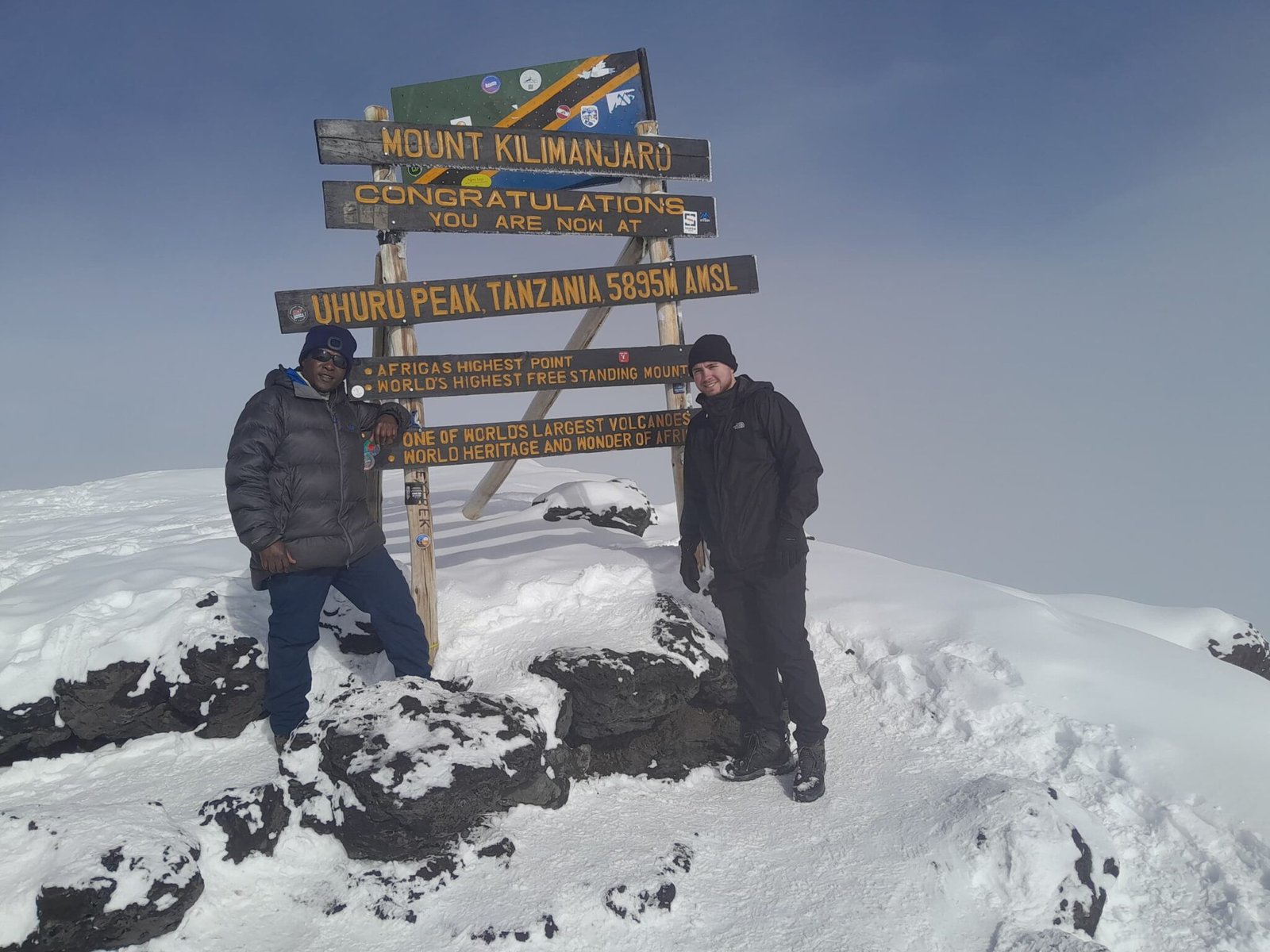
Climb Mount Kilimanjaro – Book Your Ultimate Tanzania Trekking Adventure Today
Rising above the vast plains of East Africa, Mount Kilimanjaro stands as one of the most powerful travel experiences on Earth. At 5,895 meters, it is Africa’s highest peak and the world’s tallest free-standing mountain—an achievement that attracts serious adventurers and first-time trekkers alike.
But climbing Kilimanjaro is not just about reaching the summit. It’s about pushing your limits, discovering your strength, and creating a story you’ll tell for the rest of your life.
If you’re ready to turn your dream into reality, this is your moment.
Why Booking Your Kilimanjaro Trek Now Matters
Many travelers delay their decision—only to miss the best climbing seasons, limited park slots, and experienced guide availability. Kilimanjaro is in high demand, especially between June and October.
Booking early ensures:
- Better route availability
- Proper preparation time
- Guaranteed professional guides
- Secure park permits
Don’t wait until it’s too late. Contact us now via WhatsApp and lock your Kilimanjaro dates instantly.
What Makes Mount Kilimanjaro Unique?
Unlike other high-altitude mountains, Mount Kilimanjaro requires no technical climbing skills—just determination, proper guidance, and a well-planned itinerary.
It is also a UNESCO World Heritage Site (learn more at UNESCO), recognized for its ecological diversity and natural beauty.
During your trek, you’ll pass through five incredible climate zones:
- Rainforest – Dense vegetation and wildlife
- Moorland – Rolling hills and giant plants
- Alpine Desert – Dry, dramatic landscapes
- Arctic Zone – Ice, glaciers, and extreme beauty
- Summit Zone – The iconic Uhuru Peak
Every day feels like entering a different world.
The Real Secret to Reaching the Summit
Many people underestimate Kilimanjaro. The biggest challenge is not distance—it’s altitude.
That’s why choosing the right operator is critical.
With Mangi Africa Tours and Safari Limited, your success is built on:
- Expert local guides trained in altitude safety
- Gradual acclimatization itineraries
- Daily health monitoring
- Emergency preparedness
According to Centers for Disease Control and Prevention, proper acclimatization is essential to prevent altitude sickness—and that’s exactly what we prioritize.
👉 Climb smart. Climb safe. Book with a team that prioritizes your summit success.
Best Kilimanjaro Routes for Success
Not all routes are equal. Your choice directly impacts your experience and summit success rate.
Machame Route (Best Balance)
The Most Popular Route
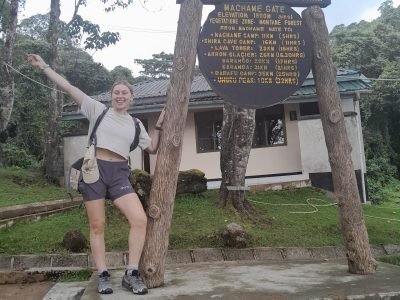
The Machame Route is often called the “Whiskey Route” and is one of the most scenic paths to the summit. It offers excellent landscapes, diverse ecosystems, and a strong acclimatization profile, making it one of the most successful routes on the mountain.
- Scenic and diverse
- Great acclimatization profile
- Popular for a reason
Lemosho Route (Highest Success Rate)
Best for Acclimatization
The Lemosho Route is widely considered one of the best routes on Mount Kilimanjaro. Its longer itinerary allows climbers more time to adapt to the altitude, resulting in excellent summit success rates and a more enjoyable trekking experience.
- Longer and less crowded
- Ideal for serious trekkers
- Best for acclimatization
Marangu Route (Comfort Option)
The Hut Route
The Marangu Route is unique because climbers sleep in mountain huts rather than tents. It is often chosen by trekkers seeking a shorter itinerary and additional comfort during the climb.
- Hut accommodation
- Shorter itinerary
- Suitable for beginners
Our team will guide you in selecting the best route based on your goals, time, and fitness level.
Rongai Route – The Quiet Route
Approaching Kilimanjaro from the northern side near the Kenyan border, the Rongai Route receives fewer climbers than the southern routes. It offers a peaceful trekking experience and excellent wilderness scenery.
Northern Circuit Route – Highest Summit Success Rate
The Northern Circuit is the longest route on Mount Kilimanjaro and offers the best acclimatization profile. Climbers enjoy fewer crowds, spectacular views, and some of the highest summit success rates on the mountain.
Umbwe Route – For Experienced Trekkers
The Umbwe Route is the steepest and most direct path to the summit. Due to its rapid altitude gain and demanding terrain, it is recommended for experienced trekkers with previous high-altitude hiking experience.
Which Kilimanjaro Route Is Best?
For most climbers, the Lemosho Route and Machame Route offer the best balance of scenery, acclimatization, and summit success. Travelers seeking the highest probability of reaching Uhuru Peak should consider the Northern Circuit Route, while those preferring hut accommodation may find the Marangu Route the most suitable option.
Our Kilimanjaro specialists can help you choose the best route based on your fitness level, travel schedule, experience, and personal preferences.
Mount Kilimanjaro Routes Comparison Guide
Choosing the right route is one of the most important decisions when planning your Kilimanjaro climb. Each route offers different scenery, acclimatization opportunities, difficulty levels, and summit success rates.
| Route | Duration | Difficulty | Success Rate | Best For |
|---|---|---|---|---|
| Marangu Route | 5–6 Days | Moderate | Moderate | Beginners who prefer hut accommodation |
| Machame Route | 6–7 Days | Moderate to Challenging | High | First-time climbers seeking great scenery |
| Lemosho Route | 7–8 Days | Moderate | Very High | Climbers seeking excellent acclimatization |
| Rongai Route | 6–7 Days | Moderate | High | Climbers looking for a quieter route |
| Northern Circuit Route | 8–9 Days | Moderate | Highest | Maximum acclimatization and summit success |
| Umbwe Route | 5–6 Days | Challenging | Lower | Experienced and adventurous trekkers |
How Much Does It Cost to Climb Mount Kilimanjaro?
One of the most common questions travelers ask is, “How much does it cost to climb Mount Kilimanjaro?” The answer depends on several factors, including the route chosen, the number of trekking days, the size of the group, and the level of service provided.
Kilimanjaro climbing costs typically include park fees, rescue fees, camping or hut accommodation, professional guides, porters, meals, transfers, and safety equipment. Longer routes generally cost more because they involve additional park fees, crew support, and accommodation.
Typical Kilimanjaro Climbing Costs
| Route | Duration | Starting Price (USD) |
|---|---|---|
| Marangu Route | 5–6 Days | From $1,700 per person |
| Machame Route | 6–7 Days | From $1,800 per person |
| Rongai Route | 6–7 Days | From $1,800 per person |
| Lemosho Route | 7–8 Days | From $2,000 per person |
| Northern Circuit Route | 8–9 Days | From $2,400 per person |
Prices may vary depending on group size, travel season, and accommodation preferences before and after the climb.
What Influences the Cost of a Kilimanjaro Trek?
Several factors affect the overall price of a Kilimanjaro expedition:
- Tanzania National Park fees
- Route duration
- Number of guides and porters
- Safety equipment and emergency support
- Accommodation before and after the climb
- Transportation and airport transfers
- Group size
- Seasonal demand
Why Are Kilimanjaro Park Fees So Important?
A significant portion of every Kilimanjaro climbing package goes directly to conservation and park management. These fees support trail maintenance, environmental protection, rescue services, and local employment opportunities within Tanzania’s tourism industry.
Is a Cheaper Kilimanjaro Climb Always Better?
While low-cost trekking offers may seem attractive, climbers should carefully consider safety standards, guide qualifications, porter welfare, equipment quality, and emergency preparedness.
A professionally organized Kilimanjaro trek provides experienced mountain guides, proper acclimatization schedules, reliable safety equipment, nutritious meals, and comprehensive support throughout the climb.
Value Beyond the Price
Climbing Mount Kilimanjaro is more than a holiday—it is a life-changing achievement. Investing in a reputable trekking company helps ensure a safer, more enjoyable, and more successful journey to Uhuru Peak, the highest point in Africa.
For a personalized Kilimanjaro quotation based on your preferred route and travel dates, contact Mangi Africa Tours & Safaris today.
What to Pack for Kilimanjaro
- Waterproof jacket
- Hiking boots
- Thermal layers
- Gloves
- Headlamp
- Trekking poles
- Daypack
- Sleeping bag
- Water bottles
- Sunscreen
Kilimanjaro Summit Success Rates
Choosing the right route plays a major role in summit success.
Longer routes generally offer better acclimatization and higher success rates.
Approximate success rates:
- Lemosho Route: 90%+
- Northern Circuit Route: 95%+
- Machame Route: 85–90%
- Rongai Route: 80–85%
- Marangu Route: 65–80%
These figures vary depending on fitness, weather conditions, acclimatization, and guide support.
At Mangi Africa Tours & Safaris, we prioritize safe climbing schedules that maximize summit success while protecting climber health.
When Is the Best Time to Climb Kilimanjaro?
Mount Kilimanjaro can be climbed year-round, but the best conditions are:
- January – March: Fewer crowds, cooler temperatures
- June – October: Dry season, best visibility
Avoid the heavy rains of April and November for the best experience.
👉 Secure your preferred dates now before peak season fills up.
What’s Included in Your Kilimanjaro Package?
We offer a complete, worry-free trekking experience:
- Airport transfers from Kilimanjaro International Airport
- Hotel accommodation before and after your trek
- All park fees (regulated by Tanzania National Parks Authority)
- Professional mountain crew (guides, porters, chef)
- Camping or hut accommodation
- All meals and drinking water
- Safety equipment and monitoring
No hidden costs. No stress. Just adventure.
Safety First – Your Life Matters on the Mountain
Kilimanjaro is safe when climbed with professionals—but risky without proper preparation.
We follow international safety standards and guidelines from organizations like the World Health Organization.
Our safety measures include:
- Oxygen tanks and pulse oximeters
- Emergency evacuation procedures
- Highly trained guides
👉 Your safety is our priority. Book with confidence today.
Physical Preparation – Can You Climb Kilimanjaro?
Yes—you don’t need to be an athlete.
However, preparation increases your chances of success. Focus on:
- Cardio training (walking, hiking, running)
- Mental endurance
- Consistency over intensity
Even beginners reach the summit every year—with the right support team.
How Difficult Is Mount Kilimanjaro?
One of the most common questions travelers ask is whether climbing Mount Kilimanjaro is difficult.
The mountain does not require technical climbing skills, ropes, or mountaineering experience. However, the altitude makes the trek physically and mentally challenging. As climbers ascend toward Uhuru Peak at 5,895 meters, oxygen levels decrease significantly.
Most trekkers find summit night to be the most demanding part of the journey due to the combination of cold temperatures, high altitude, and long hiking hours.
With proper preparation, a well-designed itinerary, and experienced guides, climbers of various fitness levels successfully reach the summit every year.
Combine Your Kilimanjaro Trek with a Safari
After conquering Mount Kilimanjaro, extend your journey with a world-class safari.
Visit:
- Serengeti National Park – Home of the Great Migration
- Ngorongoro Crater – Africa’s natural wonder
Or relax on the white-sand beaches of Zanzibar.
According to National Geographic, Tanzania is one of the top travel destinations in the world—combining adventure, wildlife, and culture.
Why Travelers Choose Mangi Africa Tours
We don’t just sell trips—we create successful summit stories.
Our reputation is built on:
- High summit success rates
- Personalized itineraries
- Fast WhatsApp communication
- Transparent pricing
- Local expertise with global standards
We understand what international travelers expect—and we deliver.
Many climbers underestimate how important route choice on Mount Kilimanjaro becomes during the trek. Some routes prioritize scenery, others acclimatization, while some focus on shorter and more affordable itineraries. Travellers still deciding between Machame Route, Lemosho Route, Marangu Route, Rongai Route, or the Northern Circuit Route can explore our complete Kilimanjaro Routes Comparison Guide 2026/2027 before choosing the right climb.
Real Value – What You’re Investing In
Climbing Mount Kilimanjaro is not just a trip—it’s an investment in a life-changing experience.
You’re investing in:
- Personal achievement
- Expert guidance
- Safety and support
- Memories that last forever
And most importantly—you’re investing in yourself.
– Your Summit Awaits
Every day you wait is another day someone else is standing on the summit.
The question is: Will it be you?
Message us now on WhatsApp for a customized Kilimanjaro itinerary and price.
Limited spots available—secure your booking today.
Start your journey to the Roof of Africa with trusted experts.
Frequently Asked Questions About Climbing Mount Kilimanjaro
1. How long does it take to climb Mount Kilimanjaro?
Most Kilimanjaro treks take between 5 and 9 days depending on the route chosen. Longer routes such as the Lemosho Route and Northern Circuit Route offer better acclimatization and higher summit success rates.
2. Can a beginner climb Mount Kilimanjaro?
Yes. Mount Kilimanjaro is considered a non-technical mountain, meaning no climbing experience is required. With proper preparation, fitness training, and professional guides, beginners successfully reach the summit every year.
3. What is the best route to climb Kilimanjaro?
The best route depends on your goals. The Lemosho Route is often recommended for its excellent acclimatization profile and high success rate, while the Machame Route offers beautiful scenery and a rewarding trekking experience.
4. What is the success rate for reaching the summit?
Summit success rates vary by route. Longer routes generally have higher success rates because they allow more time for acclimatization. Routes such as Lemosho and Northern Circuit have some of the highest success rates on the mountain.
5. How difficult is climbing Mount Kilimanjaro?
The main challenge is altitude rather than technical climbing. Trekkers need stamina, determination, and proper acclimatization to successfully reach Uhuru Peak at 5,895 meters.
6. What is the best time to climb Mount Kilimanjaro?
The best months to climb are January to March and June to October. These periods typically offer clearer skies, less rainfall, and better trekking conditions.
7. How much does it cost to climb Kilimanjaro?
The cost varies depending on the route, duration, accommodation style, and level of service. Prices generally range from budget group climbs to premium private expeditions.
8. What should I pack for a Kilimanjaro trek?
Essential items include hiking boots, waterproof clothing, thermal layers, gloves, a warm sleeping bag, trekking poles, sunglasses, sunscreen, and a headlamp.
9. Is altitude sickness common on Kilimanjaro?
Altitude sickness can affect anyone regardless of age or fitness level. Choosing a longer route and following proper acclimatization procedures greatly improves your chances of reaching the summit safely.
10. Do I need travel insurance for Kilimanjaro?
Yes. Comprehensive travel insurance that covers high-altitude trekking and emergency evacuation is strongly recommended for all climbers.
11. Are porters included on Kilimanjaro climbs?
Yes. Kilimanjaro treks are supported by professional porters who carry camping equipment, food supplies, and other expedition gear, allowing climbers to focus on the trek.
12. What is the temperature on Mount Kilimanjaro?
Temperatures vary by altitude. While the lower slopes can be warm and tropical, summit temperatures can fall well below freezing, especially during the night ascent to Uhuru Peak.
13. Can children climb Mount Kilimanjaro?
Yes. Tanzania National Parks regulations allow children aged 10 years and above to climb Mount Kilimanjaro, although physical fitness and preparation are important considerations.
14. How fit do I need to be to climb Kilimanjaro?
A reasonable level of fitness is recommended. Regular walking, hiking, running, cycling, or other cardiovascular activities can help prepare your body for the trek.
15. Can I combine a Kilimanjaro climb with a Tanzania safari or Zanzibar holiday?
Absolutely. Many travellers choose to combine their Kilimanjaro trek with a Northern Tanzania safari to Serengeti National Park and Ngorongoro Crater or relax on the beautiful beaches of Zanzibar after their climb.




One thought on “Climb Mount Kilimanjaro – Book Your Ultimate Tanzania Trekking Adventure Today”