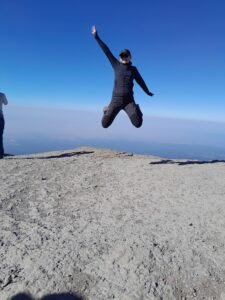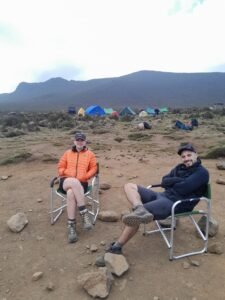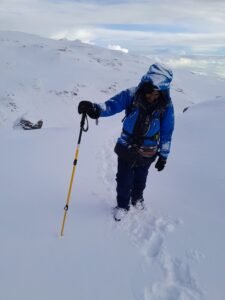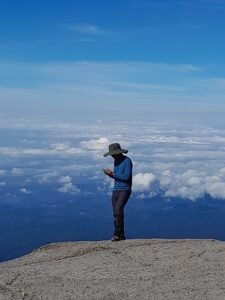
Mount Kilimanjaro Trek 2026

Mount Kilimanjaro Trek 2026
The Mountain That Changes People Before They Reach the Summit
There is a moment on Kilimanjaro that almost nobody talks about.
It usually happens long before the summit.
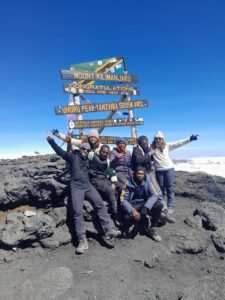
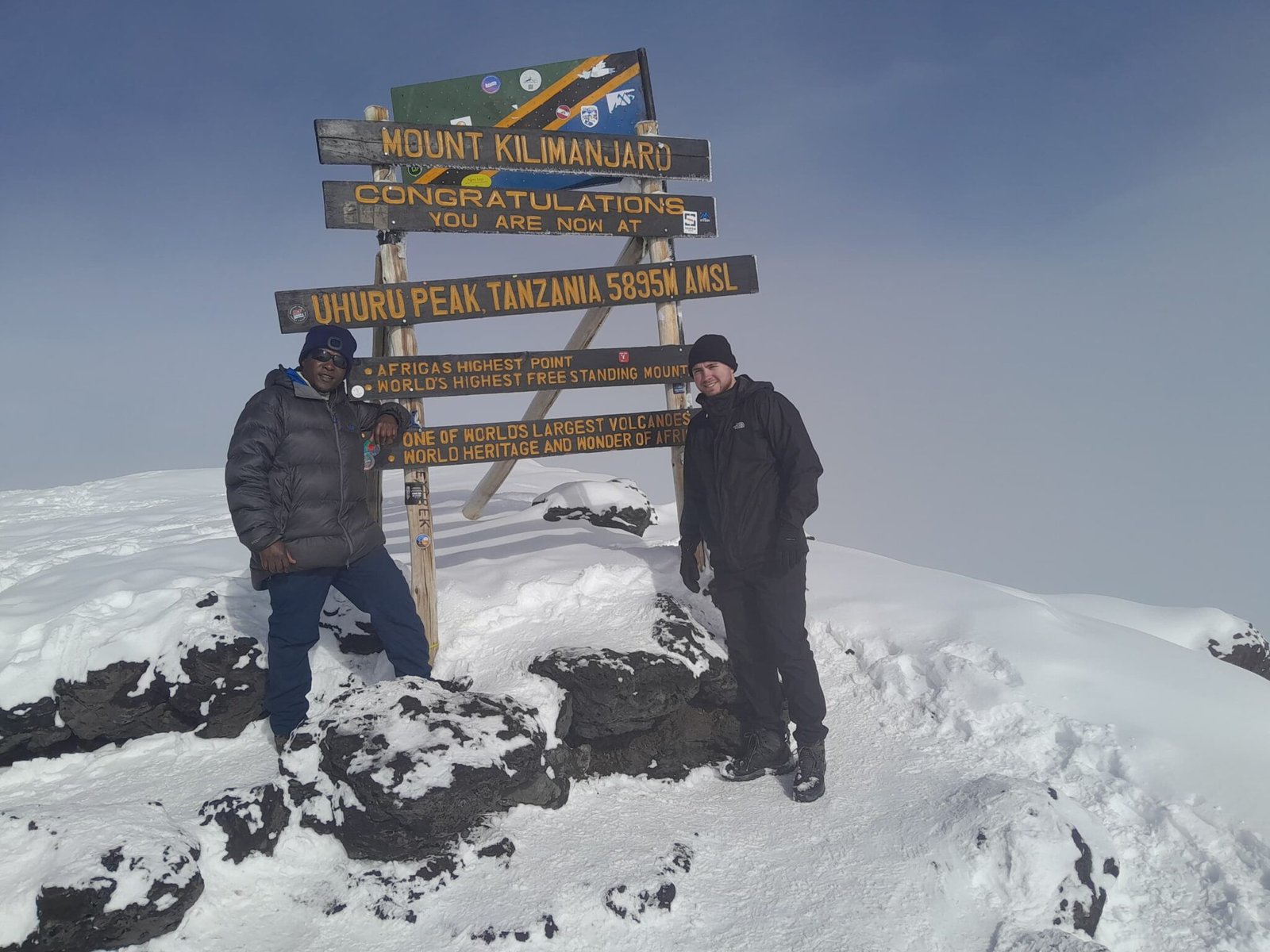
Not at Uhuru Peak.
Not at Stella Point.
Not during the celebration photographs.
It happens quietly.
Maybe on the second night when the forest suddenly falls silent except for distant rain dripping through giant heather trees.
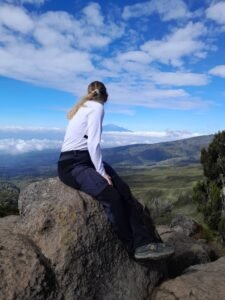
Maybe above the clouds near Shira Plateau when the air turns thin and cold and the landscape begins to feel almost lunar.
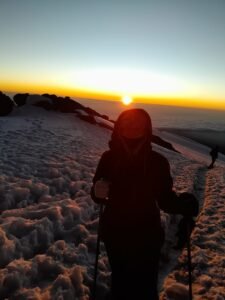
Or maybe during summit night itself — sometime around 3 AM — when your headlamp catches the slow movement of dozens of climbers climbing through darkness in complete silence.
One line of light after another.
No one speaking.
Just breathing.
That is when many people realize Kilimanjaro is not simply a mountain. It is a journey that strips life down to essentials. Step. Breath. Silence. Sky.
And in 2026, more travellers than ever are looking toward this mountain not only as an adventure, but as something deeply personal.
A reset.
A challenge.
A pilgrimage.
A promise to themselves.
At Mangi Africa Tours and Safaris, we have watched this mountain change people for years. We have seen nervous first-time trekkers become confident by day four. We have seen strangers become lifelong friends somewhere between Barranco Wall and Karanga Camp. We have seen tears at the summit from people who thought they could never make it.
Kilimanjaro does not care about titles, money, nationality, or social status.
On the mountain, everyone walks at the same pace.
Pole pole.
Slowly slowly.
And that is exactly how the mountain teaches you to succeed.
Why Kilimanjaro Still Captivates the World in 2026
There are taller mountains in the world.
There are technically harder climbs too.
But few mountains hold imagination quite like Mount Kilimanjaro.
Because Kilimanjaro stands alone.
It rises out of the plains of northern Tanzania almost impossibly — a snow-capped volcano surrounded by savannah, elephants, Maasai lands, and dry African dust. From far away, especially at dawn, it barely looks real.
Floating above the earth.
For many travellers coming to Tanzania in 2026, Kilimanjaro is becoming part of a larger East African journey:
- Climbing the mountain first
- Then descending into safari country
- Then finishing on the beaches of Zanzibar
It is one of the few adventures on Earth where you can move from glaciers to tropical ocean in a single trip.
And emotionally, the mountain leaves a different mark than safari.
Safari expands your awareness outward.
Kilimanjaro turns it inward.
A Mountain of Five Worlds
One of the strangest things about Kilimanjaro is how quickly the landscape transforms.
Over several days, you walk through climates that feel like different continents.
Rainforest
The lower slopes are humid and alive.
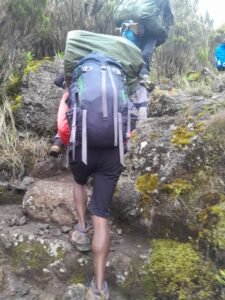
Colobus monkeys move through the canopy. Blue monkeys watch quietly from branches. Giant ferns crowd muddy trails while porters move ahead carrying impossible loads balanced effortlessly.
You hear birds long before you see them.
The forest breathes.
Moorland
Then the forest suddenly opens.
The trees thin out. The air cools. Giant groundsels rise from the mist like prehistoric plants. Clouds drift below you for the first time.
At sunset, the entire mountain glows bronze.
Alpine Desert
Higher up, Kilimanjaro becomes stark and silent.
Dust. Lava rock. Wind.
This is where conversations become shorter and footsteps slower. The mountain begins testing patience here, not strength.
Arctic Summit
And then summit night.
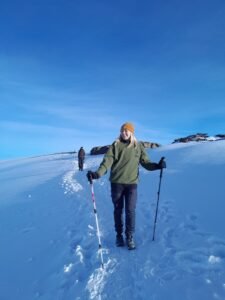
Ice crunching under boots.
Frozen eyelashes.
Breath turning white in headlamp beams.
Africa disappears below darkness while stars fill every direction.
You climb toward sunrise.
What Makes a Kilimanjaro Trek Difficult?
Most people ask the wrong question.
They ask:
“How fit do I need to be?”
The better question is:
“How well can I adapt to altitude?”
Kilimanjaro is not a technical climb. No ropes or climbing experience are required on standard routes.
But altitude changes everything.
At sea level, walking feels effortless.
Above 5,000 meters, even putting on gloves can feel exhausting.
That is why successful Kilimanjaro climbs are rarely about speed or athletic ego.
They are about rhythm.
Consistency.
Listening to your body.
The strongest gym athlete in a group sometimes struggles more than the calm, patient walker who conserves energy.
The Real Challenge: Altitude
Common altitude symptoms
- Headaches
- Nausea
- Loss of appetite
- Fatigue
- Difficulty sleeping
Good guides monitor these carefully every day.
At Mangi Africa Tours and Safaris, guides conduct daily health checks using pulse oximeters and years of mountain experience. Often, they notice subtle altitude changes before trekkers themselves do.
And this matters.
Because safety on Kilimanjaro is not about drama.
It is about observation.
Quiet professionalism.
Best Time to Climb Kilimanjaro in 2026
Kilimanjaro can technically be climbed year-round, but each season changes the mountain completely.
January to March
This is one of the most beautiful periods.
The mountain is greener after short rains. The skies are often clear in the mornings. Snow at the summit can be especially dramatic.
Temperatures are colder at higher elevations.
This season attracts climbers who prefer quieter trails and atmospheric conditions.
Best for:
- Photographers
- Experienced trekkers
- Travellers wanting fewer crowds
June to October
The most popular climbing season.
Dry weather. Stable conditions. Clear summit views.
This period also aligns well with Tanzania’s famous safari migration season in the Serengeti.
Expect more trekkers on major routes.
Best for:
- First-time climbers
- Families
- Combined safari and trekking itineraries
November and April-May
Rainy periods bring a different side of Kilimanjaro.
Mist drifts through rainforest trails. Camps feel quieter and wilder. Some days are muddy and challenging.
But for the right traveller, this atmosphere can feel incredibly cinematic.
Not everybody wants perfect weather.
Some want solitude.
Choosing the Right Kilimanjaro Route
This decision shapes your entire experience.
Some routes feel social and energetic. Others feel remote and introspective.
Some prioritize scenery. Others maximize acclimatization.
Below are the main routes our guides at Mangi Africa Tours and Safaris recommend most often in 2026.
Machame Route
The Classic Kilimanjaro Experience
Price : 1800 USD per person
The Machame Route has energy.
You feel it immediately.
Trekkers from around the world gather at campfires sharing stories in dozens of languages while cooks prepare hot soup beneath giant mountain skies.
The scenery changes dramatically every day, making it one of the most visually rewarding routes on the mountain.
Highlights
- Excellent scenery
- Strong acclimatization profile
- Barranco Wall experience
- Diverse landscapes
Ideal for
- First-time climbers with good fitness
- Travellers wanting atmosphere and social energy
Typical duration
6–7 days
Lemosho Route
Wild, Remote, Beautiful
Price: 1800 USD per person
Lemosho begins quietly on the western side of the mountain.
The forest feels deeper here. Wilder.
Sometimes you may hike for hours hearing only boots on volcanic soil and distant birds.
Many experienced guides consider Lemosho the most balanced route overall because it combines:
- Excellent acclimatization
- Stunning scenery
- Lower initial crowds
- Higher summit success rates
The approach across Shira Plateau is extraordinary at sunset.
Cloud oceans below.
Kibo peak ahead.
Silence everywhere.
Ideal for
- Photographers
- Couples
- Travellers seeking a more immersive experience
Typical duration
7–8 days
Rongai Route
Kilimanjaro’s Quiet Side
Price: 1900 USD per person
Approaching from the north near the Kenyan border, Rongai feels calmer and drier than southern routes.
Wildlife sightings occasionally happen on lower slopes.
The route has a peaceful rhythm many trekkers appreciate, especially those wanting less traffic.
Ideal for
- Older climbers
- Trekkers preferring gradual ascent
- Climbers during wetter months
Northern Circuit
The Long Journey Around the Mountain
Price: 2000 USD per person
The Northern Circuit is not rushed.
It circles vast remote sections of Kilimanjaro where few trekkers pass.
This route gives your body more time to acclimatize and gives your mind more time to absorb the mountain slowly.
Days feel expansive here.
Long horizons.
Wind moving through empty valleys.
Massive skies changing color every evening.
Ideal for
- Serious trekkers
- Slow-travel adventurers
- Higher summit success goals
Typical duration
8–9 days
Marangu Route
Kilimanjaro’s Historic Trail
Price: 1700 USD per person
The Marangu Route feels different from the moment the trek begins.
Older.
More familiar.
Carrying decades of mountain history beneath its boots.
Often called the “Coca-Cola Route,” Marangu was one of the first established trekking routes on Mount Kilimanjaro and remains one of the mountain’s most recognized paths in 2026.
But the nickname can be misleading.
Some travellers hear “easier route” and underestimate the mountain completely.
Kilimanjaro does not really offer easy routes.
Only different experiences.
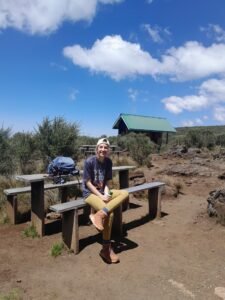
And Marangu offers one of the most unique experiences on the mountain because it is the only main route using mountain huts instead of tents.
That changes everything.
Sleeping in the Mountain Huts
After long trekking days, climbers arrive at:
- Mandara Hut
- Horombo Hut
- Kibo Hut
These wooden and stone mountain shelters create a very different atmosphere compared to camping routes.
At Horombo Hut especially, evenings often feel alive with mountain energy:
- Boots drying outside
- Climbers drinking tea together
- Guides sharing stories
- Clouds moving across the saddle below Mawenzi Peak
The huts provide:
- Basic beds with mattresses
- Shared dining areas
- Protection from rain and wind
For some trekkers — especially during wet seasons — this added comfort becomes a major advantage.
And when heavy rain drums against the roof at night while cold mist swirls outside, the warmth of the huts feels unforgettable.
The Landscape of Marangu Route
Marangu ascends from the southeastern side of the mountain.
The route begins inside thick rainforest where the air feels rich and humid.
Blue monkeys move through the trees. Moss hangs from giant branches. The trail smells of wet earth and leaves after morning rain.
Then slowly the mountain opens upward.
Horombo introduces wide moorland landscapes where giant lobelias rise from the mist and Mawenzi’s jagged volcanic spires dominate the horizon.
Higher still, the route crosses the alpine saddle between Mawenzi and Kibo.
This section feels immense.
Silent.
Dry.
Almost extraterrestrial.
Wind sweeps across volcanic dust while Kibo summit rises ahead like another world.
Why Some Climbers Choose Marangu
Simplicity
The trail is direct and logistically straightforward.
Hut Accommodation
No tents. No sleeping on uneven ground.
This especially appeals to:
- Older trekkers
- Families
- Travellers uncomfortable with camping
- Rainy-season climbers
Familiar Rhythm
Marangu has guided climbers for generations. Many mountain crews know this route intimately.
Important Reality About Marangu Route
The traditional 5-day Marangu itinerary has a lower acclimatization advantage compared to longer routes.
That is why experienced operators increasingly recommend the 6-day Marangu version in 2026.
That extra acclimatization day at Horombo Hut can make a major difference for summit success and overall comfort.
On Kilimanjaro, rushing rarely works.
The mountain rewards patience.
Marangu Route Overview
| Feature | Details |
|---|---|
| Route Style | Hut accommodation |
| Duration | 5–6 days |
| Difficulty | Moderate |
| Scenery | Forest, moorland, alpine desert |
| Summit Success | Better on 6-day itinerary |
| Best For | Trekkers preferring huts |
What Summit Night Feels Like on Marangu
Summit night from Kibo Hut begins in deep cold silence.
Headlamps flicker awake around midnight while guides quietly encourage climbers to eat something warm before departure.
Outside, the air feels sharp enough to stop conversation.
Then the slow climb begins toward Gilman’s Point.
Every step feels heavier here because of altitude. The slope seems endless in darkness.
But gradually, the eastern sky begins changing color behind Mawenzi Peak.
Dark blue becomes silver.
Silver becomes orange.
And suddenly sunlight touches the glaciers.
For many Marangu climbers, this sunrise above Africa becomes one of the defining memories of their entire lives.
Not because it is comfortable.
Because it feels earned.
Marangu Route with Safari and Zanzibar
Many travellers combine Marangu Route with:
This combination creates one of East Africa’s most complete journeys:
- Mountain
- Wildlife
- Culture
- Coastline
After days in thin mountain air, the first warm ocean breeze in Zanzibar feels almost surreal.
Field Guide Note
On clear evenings at Horombo Hut, climbers sometimes stand outside silently watching Mawenzi Peak glowing red beneath sunset clouds. Nobody speaks much during those moments. The mountain does not require conversation to be understood.
What Summit Night Really Feels Like
Nobody sleeps much before summit night.
Around midnight, camps begin stirring.
Zippers open.
Boots crunch frost.
Guides move tent to tent quietly checking climbers.
Outside, the cold hits immediately.
Then the climb begins.
Very slowly.
Headlamps form a moving chain across darkness.
Some people become emotional here. Others become intensely quiet. The mountain reduces thinking into simple survival rhythms:
Breathe.
Step.
Breathe again.
Hours pass strangely in darkness.
Then eventually, somewhere near Stella Point, the horizon begins glowing deep orange.
And suddenly Africa appears beneath clouds.
That sunrise is difficult to describe accurately.
Not because it is merely beautiful.
Because after days of effort, exhaustion, discomfort, altitude, fear, and persistence — the light feels earned.
The Emotional Side of the Summit
Guides often say the summit reveals people to themselves.
Some laugh uncontrollably.
Some cry.
Some simply stare silently.
Many climbers arrive expecting triumph.
What surprises them is the humility.
The realization of how small human beings are beneath glaciers, stars, and endless sky.
Life at Camp on Kilimanjaro
Many travellers imagine Kilimanjaro as constant suffering.
The reality is more nuanced.
Camp life becomes its own small world.
After long trekking days, camps fill with:
- Steam rising from soup bowls
- Laughter from dining tents
- Guides singing Swahili songs
- Boots drying outside tents
- Golden evening light on volcanic rock
Porters often arrive smiling even after carrying enormous loads uphill all day.
Their resilience humbles many visitors.
And this is important:
A Kilimanjaro climb is never an individual achievement alone.
It is a team effort involving:
- Guides
- Porters
- Cooks
- Logistics teams
- Rescue coordination
- Camp crews
Behind every successful summit is an entire mountain team working quietly in difficult conditions.
The Porters of Kilimanjaro
No conversation about Kilimanjaro is complete without acknowledging the porters.
They are the heartbeat of the mountain.
Many visitors arrive focused only on the summit. They leave deeply moved by the people who helped them get there.
Good trekking companies protect porter welfare seriously.
This includes:
- Fair wages
- Proper food
- Safe carrying loads
- Adequate equipment
- Ethical treatment
At Mangi Africa Tours and Safaris, responsible mountain operations are part of the philosophy behind every climb.
Because how a company treats its crew matters just as much as summit success rates.
Food on the Mountain
One of the biggest surprises for first-time climbers is how good the food can be.
Hot soups become essential at altitude.
Fresh fruit appears improbably high on the mountain. Pancakes at breakfast feel almost miraculous after cold nights.
Typical meals include:
- Soup
- Rice and vegetables
- Chicken or beef
- Pasta
- Eggs
- Fresh fruit
- Tea and coffee
- Popcorn snacks
Guides encourage constant hydration.
Even when you do not feel thirsty.
Especially when you do not feel thirsty.
What to Pack for Kilimanjaro in 2026
Most packing mistakes come from misunderstanding mountain weather.
Kilimanjaro is not uniformly cold.
You experience:
- Humid heat
- Rainforest rain
- Strong alpine sun
- Freezing summit temperatures
Layering becomes everything.
Essential Gear Checklist
Clothing
- Base thermal layers
- Insulated jacket
- Waterproof shell
- Trekking trousers
- Warm gloves
- Wool socks
- Sun hat
- Warm beanie
Footwear
- Broken-in hiking boots
- Camp shoes
Equipment
- Headlamp
- Trekking poles
- Sleeping bag
- Daypack
- Duffel bag
- Water bottles or hydration bladder
Personal items
- Sunscreen
- Lip balm
- Medication
- Wet wipes
- Power bank
Field Guide Observation
The most valuable item on Kilimanjaro is often not expensive gear.
It is patience.
Fitness Preparation for Kilimanjaro
You do not need to be an elite athlete.
But preparation changes the experience dramatically.
The best training combines:
- Hiking
- Stair climbing
- Cardio endurance
- Mental resilience
- Long walking days
The mountain rewards consistency more than intensity.
A calm walker who keeps moving steadily usually performs better than someone who starts aggressively.
Combining Kilimanjaro With Safari
One of the great advantages of climbing Kilimanjaro in Tanzania is what comes afterward.
Safari.
And after safari — often Zanzibar.
Many travellers structure their journey like this:
| Experience | Typical Duration |
|---|---|
| Kilimanjaro Trek | 6–9 days |
| Safari | 3–6 days |
| Zanzibar | 3–7 days |
After days on the mountain, safari feels strangely luxurious.
You sit quietly in a vehicle watching elephants move through golden grass while your body slowly recovers from the climb.
Then Zanzibar offers the final contrast:
Warm ocean air.
Palm trees.
Swahili coast culture.
Slow evenings beside the Indian Ocean.
Wildlife Around Kilimanjaro
Although Kilimanjaro is primarily a trekking destination, wildlife still appears unexpectedly.
Possible sightings include:
- Colobus monkeys
- Blue monkeys
- Bushbuck
- Duikers
- Birds of prey
And on nearby safari extensions:
- Lions
- Elephants
- Leopards
- Wildebeest
- Giraffes
One of the most unforgettable East African images is seeing elephants walking beneath Kilimanjaro itself in nearby Amboseli.
Snow above. Dust below.
Africa in one frame.
Kilimanjaro and Tanzanian Culture
Kilimanjaro is not isolated from people.
The mountain lives beside communities that have known it for generations.
Around Moshi and Kilimanjaro Region, Chagga culture remains deeply connected to the slopes through:
- Coffee farming
- Banana cultivation
- Oral storytelling
- Traditional food
- Mountain history
Many guides grew up in villages visible from the mountain itself.
Some first saw climbers’ headlamps crossing the summit from childhood homes below.
Now they guide international trekkers across those same slopes.
Sustainable Trekking in 2026
Responsible travel matters more than ever.
Kilimanjaro has become globally famous, but increased tourism creates pressure on:
- Trails
- Waste systems
- Forest ecosystems
- Water resources
Good operators minimize impact through:
- Ethical porter treatment
- Waste management
- Responsible camping
- Local employment
- Environmental awareness
Travellers increasingly want experiences that benefit local communities, not only tourism businesses.
And honestly, they should.
Common Mistakes First-Time Climbers Make
1. Walking too fast
Pole pole.
Always.
2. Underestimating altitude
Fitness alone does not guarantee success.
3. Poor hydration
Drink constantly.
4. Bringing new boots
Never test footwear on Kilimanjaro.
5. Obsessing over the summit
The journey matters more.
Is Kilimanjaro Safe?
With proper guides and preparation, Kilimanjaro is considered relatively safe for non-technical trekking.
But the mountain still deserves respect.
Professional operators provide:
- Oxygen systems
- Medical checks
- Emergency procedures
- Trained mountain guides
Weather can shift quickly. Altitude can affect anyone.
Good decision-making matters more than summit pride.
Sometimes turning around is the correct decision.
Experienced guides understand this deeply.
Why People Return to Kilimanjaro
Some travellers climb once and never again.
Others become obsessed.
Because Kilimanjaro changes depending on:
- Weather
- Route
- Season
- Team dynamic
- Personal mindset
A mountain climbed during misty rains feels entirely different from one climbed beneath dry-season stars.
And emotionally, many people discover they are not chasing the summit anymore.
They are chasing the feeling.
The silence above the clouds.
The simplicity.
The perspective.
A Final Evening on the Mountain
The last night before descent often feels strangely emotional.
Trekkers sit outside tents watching fading light across volcanic ridges.
Bodies exhausted.
Faces dusty.
Conversations quieter now.
Somewhere nearby, guides laugh together while preparing tea.
The summit already happened.
Yet many climbers realize the most meaningful memories were not necessarily at Uhuru Peak itself.
They were:
- Shared tea inside cold tents
- Sunrise over Shira
- The sound of rain in the forest
- Campfire conversations
- Encouragement from strangers
- The slow rhythm of walking day after day
Kilimanjaro teaches people to notice small things again.
And perhaps that is part of why the mountain stays with them long after Tanzania disappears beneath airplane clouds.
Planning Your Kilimanjaro Trek in 2026
2026 is expected to be another strong year for Kilimanjaro travel, especially during:
- June to October
- January to March
Booking early matters for:
- Preferred routes
- Quality guides
- Better camps
- Flight coordination
- Safari extensions
Especially for longer itineraries combining:
At Mangi Africa Tours and Safaris, our approach has always been simple:
Guide people through Tanzania honestly, safely, and with deep respect for the landscapes and communities that make this country extraordinary.
Because Kilimanjaro is not just a destination.
It is one of those rare journeys people remember for the rest of their lives.
And somewhere high above the clouds, in thin cold air beneath African stars, many travellers discover something unexpected:
Not just the summit.
But themselves. Book now your unforgetable trek.