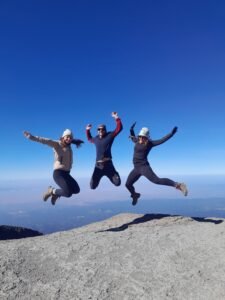
Rongai Route Kilimanjaro – Full Trekking Guide

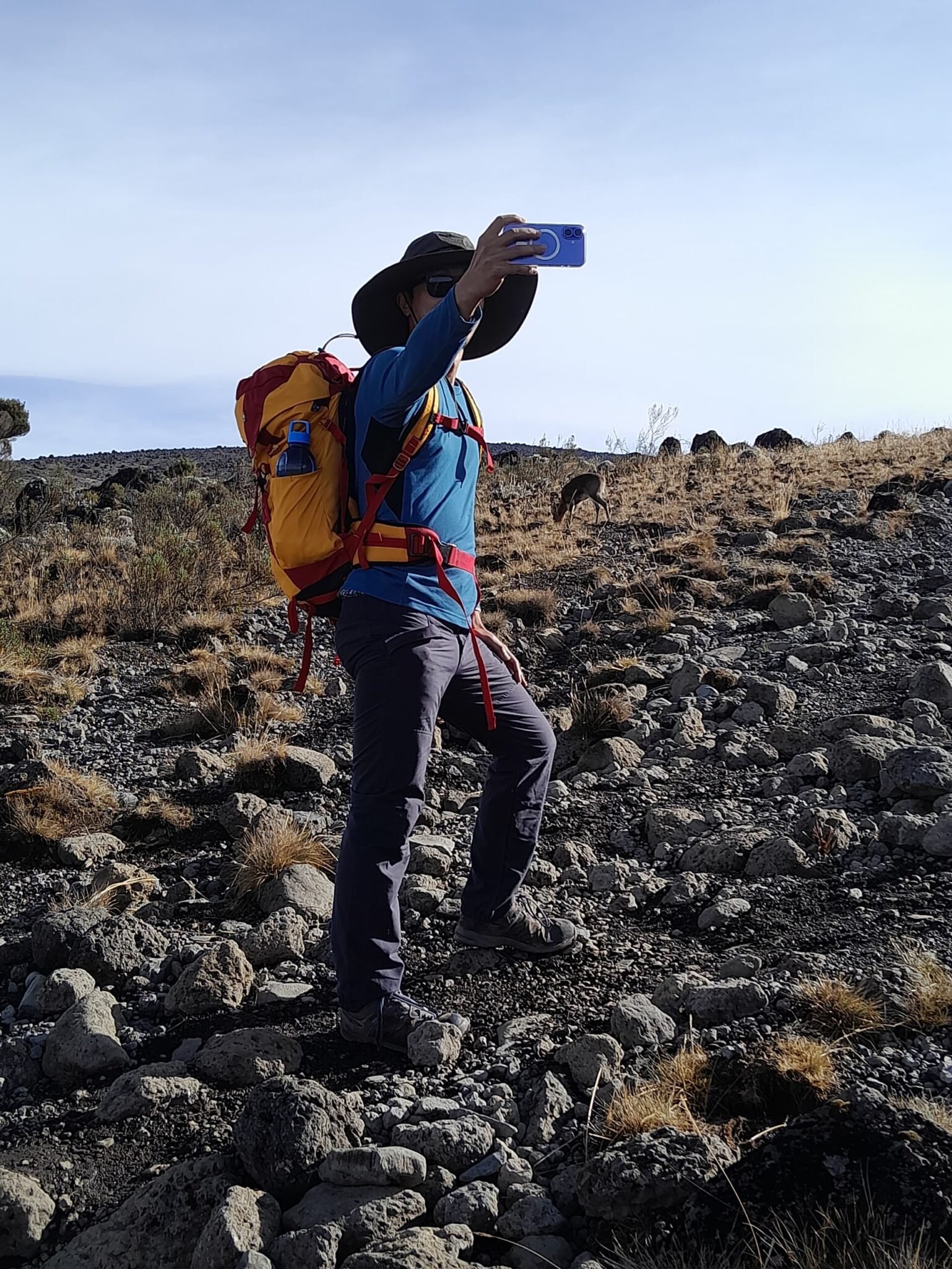
Rongai Route Kilimanjaro – Full Trekking Guide
Introduction
The Rongai Route Kilimanjaro is one of the most unique and less crowded paths to the summit of Mount Kilimanjaro. Approaching the mountain from the northern side near the Kenyan border, this route offers a quieter trekking experience with stunning wilderness views.
For climbers seeking solitude and a gradual ascent, the Rongai Route is an excellent choice. With expert support from Mangi Africa Tours and Safari Limited, trekkers can enjoy a safe, well-organized, and successful Kilimanjaro climb.
Overview of the Rongai Route
- Duration: 6–7 days
- Distance: ~73 km
- Difficulty: Moderate
- Starting Point: Rongai Gate (1,950 m)
- Summit Point: Uhuru Peak (5,895 m)
This route is known for its dry conditions and gradual ascent, making it suitable even during the rainy season.
Day-by-Day Rongai Route Itinerary
Day 1: Rongai Gate to Simba Camp
- Distance: ~8 km
- Altitude Gain: 1,950 m → 2,600 m
- Trek through farmland and forest
- Possible wildlife sightings
Day 2: Simba Camp to Second Cave Camp
- Distance: ~6 km
- Altitude Gain: 2,600 m → 3,450 m
- Open moorland landscapes
- Views of Mawenzi Peak
Day 3: Second Cave to Kikelewa Camp
- Distance: ~5 km
- Altitude Gain: 3,450 m → 3,600 m
- Gradual ascent with scenic surroundings
Day 4: Kikelewa Camp to Mawenzi Tarn
- Distance: ~4 km
- Altitude Gain: 3,600 m → 4,330 m
- Beautiful alpine environment
- Acclimatization and rest
Day 5: Mawenzi Tarn to Kibo Hut
- Distance: ~9 km
- Altitude Gain: 4,330 m → 4,700 m
- Cross the saddle between Mawenzi and Kibo peaks
Day 6: Summit Day – Kibo Hut to Uhuru Peak, then descend to Horombo Hut
- Distance: ~22 km
- Altitude Gain: 4,700 m → 5,895 m → 3,720 m
- Midnight summit attempt
- Descend via Marangu Route
Day 7: Horombo Hut to Marangu Gate
- Distance: ~20 km
- Final descent through rainforest
- Celebrate your achievement
Best Time to Climb the Rongai Route
The Rongai Route can be climbed year-round, but certain seasons provide particularly favorable conditions.
January to March
- Clear mountain views
- Fewer climbers
- Excellent photography opportunities
June to October
- Dry weather
- Stable trail conditions
- Most popular trekking season
November to December
- Quieter trails
- Green landscapes
- Good alternative for travelers seeking fewer crowds
Because the northern side of Kilimanjaro receives less rainfall, Rongai is often considered one of the best routes during wetter months.
Why Choose the Rongai Route
The Rongai Route offers a completely different side of Mount Kilimanjaro. Approaching from the remote northern slopes near the Kenyan border, it is one of the quietest and most peaceful routes on the mountain.
While routes such as Machame and Marangu can become busy during peak seasons, Rongai provides a more secluded trekking experience where climbers can enjoy the wilderness without large crowds.
The route is also known for its gradual ascent profile, making it an excellent choice for trekkers who want a steady climb and better acclimatization. The northern side of Kilimanjaro receives less rainfall than the southern slopes, making Rongai one of the best routes during wetter months.
For climbers seeking solitude, unique scenery, and a quieter journey to Africa’s highest peak, the Rongai Route remains one of Kilimanjaro’s hidden gems.
- Less Crowded: Ideal for those seeking a quiet trekking experience
- Gradual Ascent: Good acclimatization profile
- Dry Conditions: Suitable even during rainy seasons
- Unique Views: Northern side landscapes rarely seen on other routes
Challenges of the Rongai Route
- Less scenic compared to Machame or Lemosho routes
- Fewer dramatic landscapes
- Limited acclimatization days compared to longer routes
However, with proper planning and guidance, it remains a great option for many climbers.
Importance of Choosing a Certified Trekking Operator
Climbing Kilimanjaro requires following park regulations and safety standards. According to Tanzania National Parks Authority, all climbers must use licensed guides and approved routes for safety and conservation purposes.
Booking with Mangi Africa Tours and Safari Limited ensures:
- Licensed and experienced guides
- Compliance with national park regulations
- Safe and well-organized trekking logistics
Tips for a Successful Rongai Climb
- Train Before the Trek to improve stamina
- Stay Hydrated throughout the climb
- Take Acclimatization Seriously
- Pack Proper Clothing for changing weather
- Follow Guide Instructions at all times
Rongai Route Success Rate
One of the main reasons climbers choose the Rongai Route is its gradual ascent and relatively good acclimatization profile.
Average summit success rates are:
| Route | Success Rate |
|---|---|
| Rongai Route (7 Days) | 80–90% |
| Rongai Route (6 Days) | 70–80% |
| Lemosho Route (8 Days) | 90–95% |
| Marangu Route (5 Days) | 50–65% |
Most experienced guides recommend the 7-day Rongai itinerary because the additional acclimatization time significantly improves summit success and overall comfort.
Rongai Route vs Marangu Route
Many climbers compare the Rongai Route and Marangu Route when planning their Kilimanjaro adventure.
| Feature | Rongai Route | Marangu Route |
|---|---|---|
| Crowds | Low | High |
| Accommodation | Camping | Mountain Huts |
| Scenery | Unique Northern Views | Rainforest & Moorland |
| Success Rate | Higher | Moderate |
| Best For | Solitude & Wilderness | Comfort & Hut Accommodation |
Travellers looking for fewer crowds and a more remote experience often prefer Rongai, while those seeking hut accommodation may choose Marangu.
How Much Does the Rongai Route Cost in 2026/2027?
The cost of climbing Kilimanjaro via the Rongai Route depends on group size, trek duration, accommodation standards, and travel season.
Typical Rongai Route prices include:
| Package Type | Cost Per Person |
|---|---|
| Group Climb | $1,800 – $2,400 |
| Private Mid-Range Climb | $2,500 – $4,000 |
| Luxury Private Climb | $4,500 – $7,500+ |
Most packages include park fees, mountain guides, porters, accommodation, meals, safety equipment, and transfers.
Why Book with Mangi Africa Tours and Safari Limited
Choosing Mangi Africa Tours and Safari Limited guarantees:
- Professional and friendly guides
- High-quality trekking equipment
- Personalized itineraries
- Strong focus on safety and success
Why Travelers Choose Mangi Africa Tours and Safaris
Choosing the right Kilimanjaro operator is just as important as choosing the right route.
Mangi Africa Tours and Safaris is trusted by travelers from around the world and has earned positive reviews on TripAdvisor and TourHQ for professional guiding, safety standards, ethical porter treatment, and personalized service.
Our experienced mountain team provides support from arrival in Tanzania through summit day, helping climbers maximize both safety and success on Mount Kilimanjaro.
Book now your Rongai Route Kilimanjaro trek today with Mangi Africa Tours and Safari Limited and enjoy a , scenic, and journey to the summit of Africa’s highest peak! For more information and regulations are available at Tanzania National Parks
Extend Your Tanzania Adventure After Kilimanjaro
Many climbers choose to continue their journey after reaching the summit of Kilimanjaro.
Popular extensions include:
- Serengeti National Park Safari
- Ngorongoro Crater Safari
- Tarangire National Park Safari
- Zanzibar Beach Holidays
Combining the Rongai Route with a Tanzania safari or Zanzibar beach holiday creates a complete East African adventure, from the Roof of Africa to the wildlife-rich plains and tropical coastline of Tanzania.
FAQ – Rongai Route Kilimanjaro
Q1: Is Rongai Route good for beginners?
A: Yes, it is moderate and offers a gradual ascent suitable for beginners with preparation.
Q2: Is Rongai Route crowded?
A: No, it is one of the least crowded routes on Kilimanjaro.
Q3: Can I climb Rongai during the rainy season?
A: Yes, it is one of the best routes for wetter months due to its dry conditions.
Q4: Do I descend the same way?
A: No, descent is typically via the Marangu Route.
5. What makes the Rongai Route unique?
The Rongai Route approaches Kilimanjaro from the northern side near the Kenyan border. It offers unique scenery, fewer crowds, and drier conditions than many southern routes.
6. Can I climb the Rongai Route during the rainy season?
Yes. Because the northern slopes of Kilimanjaro receive less rainfall, the Rongai Route is often considered one of the best routes during wetter months.
7. How many days are recommended for the Rongai Route?
Most experienced guides recommend the 7-day Rongai Route because the additional acclimatization day increases comfort, safety, and summit success rates.
8. What is the best time to climb the Rongai Route?
The best months are January to March and June to October when weather conditions are generally drier and visibility is excellent. However, the route can be climbed throughout the year.
9. How cold does it get on the Rongai Route?
Temperatures vary dramatically. The lower slopes are often warm, while summit night can drop to temperatures between -10°C and -20°C. Proper cold-weather gear is essential.
10. What wildlife can be seen on the Rongai Route?
The lower forest section occasionally offers sightings of monkeys, antelope species, and a variety of birdlife. Wildlife encounters are generally more common here than on some other Kilimanjaro routes.
11. Do I need previous trekking experience?
Previous trekking experience is helpful but not required. Many successful climbers are first-time trekkers who prepare properly and follow their guides’ instructions throughout the climb.
12. What accommodation is used on the Rongai Route?
The Rongai Route uses mountain camps rather than huts. Climbers sleep in high-quality tents supported by professional porters and mountain crews.
13. Can I rent trekking equipment in Tanzania?
Yes. Most essential trekking gear can be rented in Moshi before the climb, including sleeping bags, trekking poles, waterproof clothing, and insulated jackets.
14. How much does it cost to climb Kilimanjaro via the Rongai Route?
Costs vary depending on group size, itinerary length, and service level. Most Rongai Route packages include park fees, guides, porters, meals, accommodation, safety equipment, and transfers.
15. Why choose Mangi Africa Tours and Safaris for the Rongai Route?
Mangi Africa Tours and Safaris provides experienced local mountain guides, professional porter support, quality equipment, and a strong commitment to safety. Our positive reviews on TripAdvisor and TourHQ reflect our dedication to delivering memorable and successful Kilimanjaro adventures.
The Rongai Route is ideal for climbers seeking a quieter and more remote Kilimanjaro experience. Its gradual ascent, lower traffic, and unique northern approach make it one of the mountain’s most underrated routes. For the best chance of success, we recommend choosing the 7-day itinerary and climbing with experienced local guides who understand the mountain’s conditions and challenges.