Lemosho Route Kilimanjaro – Complete Trekking Guide

Lemosho Route Kilimanjaro – Complete Trekking Guide
Introduction
The Lemosho Route is one of the most scenic and less crowded trekking paths to Mount Kilimanjaro, offering breathtaking landscapes and excellent acclimatization. Known for its diverse ecosystems and panoramic views, the Lemosho Route is ideal for climbers seeking adventure and a high summit success rate.
With professional guidance from Mangi Africa Tours and Safari Limited, trekkers can enjoy a safe, well-organized, and unforgettable Kilimanjaro experience.
Overview of the Lemosho Route
- Duration: 7–8 days (recommended)
- Distance: ~70 km (round trip)
- Difficulty: Moderate to challenging
- Starting Point: Lemosho Gate (2,060 m)
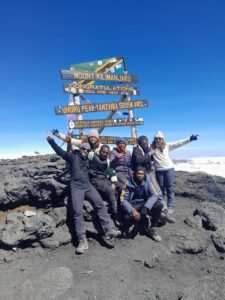
- Summit Point: Uhuru Peak (5,895 m)
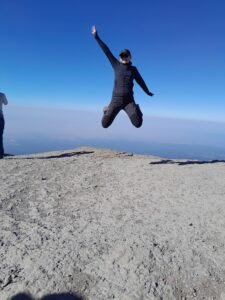
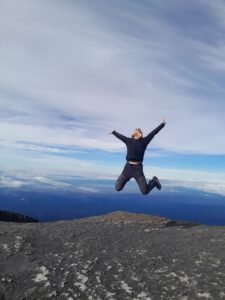
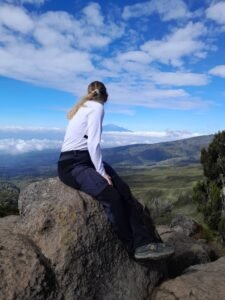
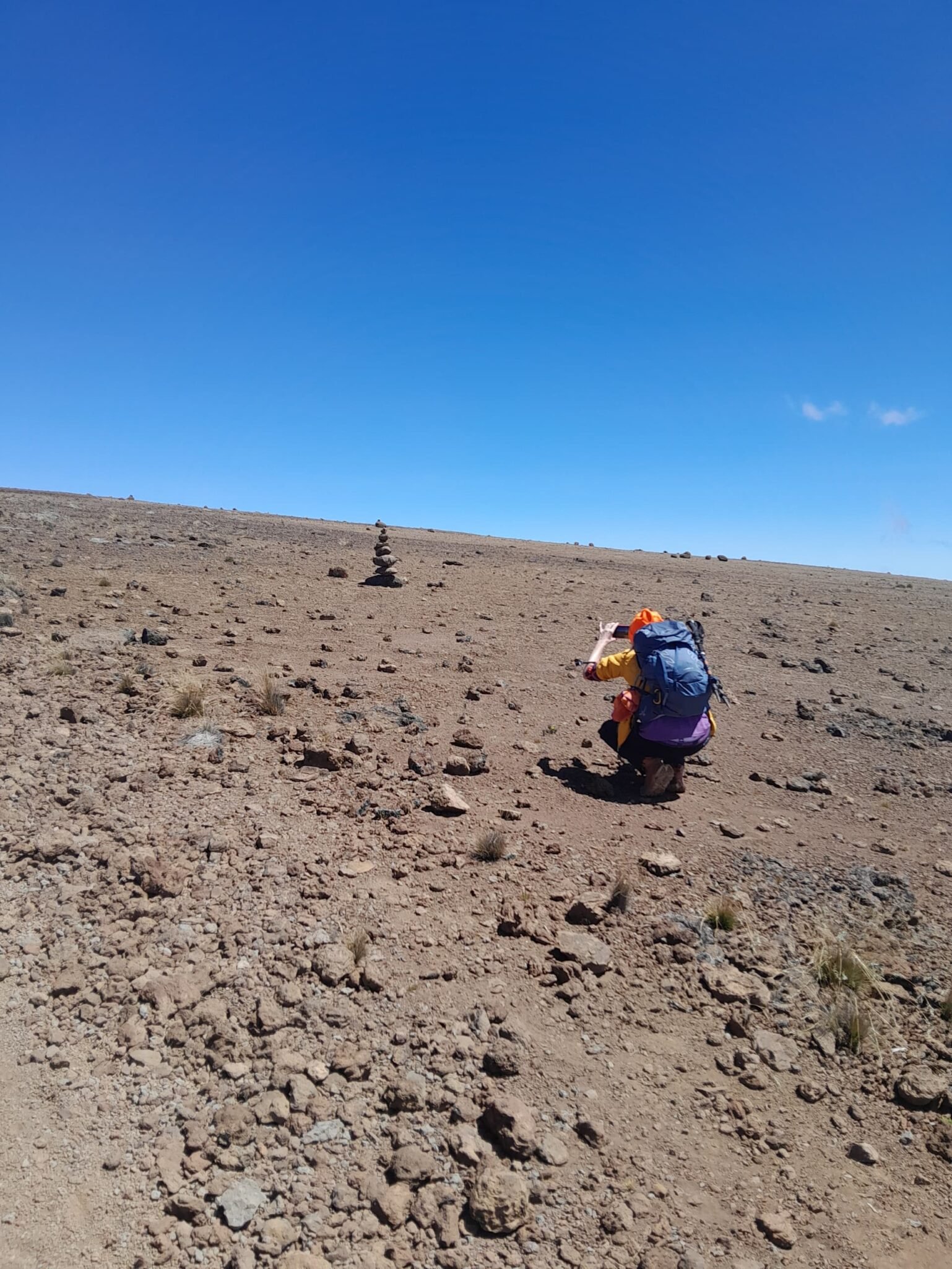
The Lemosho Route passes through rainforests, moorlands, alpine deserts, and glaciers, offering one of the most scenic treks on Kilimanjaro.
Day-by-Day Trekking Breakdown
Day 1: Lemosho Gate to Big Tree Camp
- Distance: ~10 km
- Altitude Gain: 2,060 m → 2,650 m
- Trek through dense rainforest
- Wildlife spotting including monkeys and birds
Day 2: Big Tree Camp to Shira 1 Camp
- Distance: ~8 km
- Altitude Gain: 2,650 m → 3,500 m
- Traverse open plains and volcanic landscapes
- Stunning sunset views over Shira Plateau
Day 3: Shira 1 to Shira 2 Camp
- Distance: ~5 km
- Altitude Gain: 3,500 m → 3,840 m
- Acclimatization day with short hikes
- Enjoy panoramic views of the western cliffs
Day 4: Shira 2 to Barranco Camp
- Distance: ~10 km
- Altitude Gain: 3,840 m → 3,960 m
- Cross the Lava Tower for acclimatization
- Optional hike for photo opportunities
Day 5: Barranco Camp to Karanga Camp
- Distance: ~5 km
- Altitude Gain: 3,960 m → 4,035 m
- Climb Barranco Wall, one of the most famous sections
- Prepare for the final ascent
Day 6: Karanga Camp to Barafu Camp
- Distance: ~4 km
- Altitude Gain: 4,035 m → 4,640 m
- Rest and hydrate for summit night
- Early dinner and sleep for midnight departure
Day 7: Summit Day – Barafu Camp to Uhuru Peak, then descend to Mweka Camp
- Distance: ~16 km
- Altitude Gain: 4,640 m → 5,895 m → 3,100 m
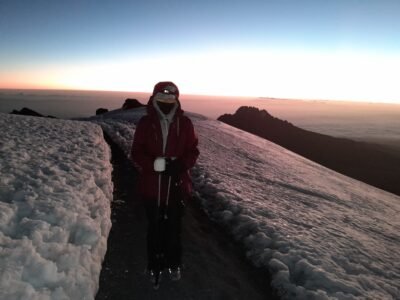
- Start around midnight for sunrise at Uhuru Peak
- Descend to Mweka Camp for rest and celebration
Day 8: Mweka Camp to Mweka Gate
- Distance: ~10 km
- Trek through rainforest back to gate
- Collect certificates and celebrate your achievement
Why the Lemosho Route Is Considered the Best Route on Kilimanjaro
Choosing the right route is one of the most important decisions when planning a Kilimanjaro climb. While Mount Kilimanjaro offers several routes to the summit, the Lemosho Route is widely regarded as one of the best options for both first-time climbers and experienced trekkers.
What makes the Lemosho Route special is its combination of breathtaking scenery, excellent acclimatization profile, and high summit success rate. Unlike shorter routes that gain altitude quickly, Lemosho allows climbers to ascend gradually, giving the body more time to adjust to the changing elevation.
The journey begins in the lush rainforest on the western side of Kilimanjaro, where giant trees, colorful birds, and black-and-white colobus monkeys create an unforgettable introduction to the mountain. As the trek continues, the landscape changes dramatically into moorland, alpine desert, and eventually the arctic summit zone near Uhuru Peak.
For many climbers, the Lemosho Route is not simply a trek—it is a complete Kilimanjaro experience that showcases every side of Africa’s highest mountain.
- High summit success due to gradual acclimatization
- Less crowded compared to Machame and Marangu routes
- Offers some of the most scenic landscapes on Kilimanjaro
- Suitable for moderately fit climbers seeking adventure
What Makes the Lemosho Route Unique?
The Lemosho Route offers some of the most diverse and beautiful scenery on Mount Kilimanjaro.
During the first days, climbers walk through dense rainforest filled with wildlife and unique vegetation. The trail then opens onto the magnificent Shira Plateau, one of the largest high-altitude plateaus in Africa, offering panoramic views across the mountain.
One of the highlights of the route is the famous Lava Tower, standing at approximately 4,630 meters above sea level. This section follows the important principle of “climb high, sleep low,” helping climbers acclimatize more effectively before continuing toward the summit.
The route also passes the iconic Barranco Wall, a thrilling but non-technical climb that rewards trekkers with spectacular views of glaciers, valleys, and distant plains below.
By the time climbers reach Uhuru Peak, they have experienced nearly every ecosystem found on Kilimanjaro, making the journey as memorable as the summit itself.
Lemosho Route Success Rate
One of the biggest reasons climbers choose the Lemosho Route is its excellent summit success rate.
The route’s longer duration allows for better acclimatization, which significantly increases the chances of reaching Uhuru Peak successfully.
| Route | Average Success Rate |
|---|---|
| Lemosho Route (8 Days) | 90–95% |
| Lemosho Route (7 Days) | 85–90% |
| Machame Route (7 Days) | 80–90% |
| Marangu Route (5 Days) | 50–65% |
Most experienced Kilimanjaro guides recommend the 8-day Lemosho Route because the additional acclimatization day greatly improves both comfort and summit success.
Tips for a Successful Lemosho Trek
- Physical Preparation: Cardiovascular fitness and endurance training
- Acclimatization: Drink plenty of water and take your time on the trail
- Gear: Layered clothing, trekking poles, sturdy boots, gloves, hat
- Photography: Capture diverse ecosystems from rainforest to alpine desert
- Professional Guides: Ensure safety, logistics, and expert support
Lemosho Route vs Machame Route
Many travelers compare the Lemosho Route and Machame Route before booking their Kilimanjaro trek.
Both routes are highly scenic and have strong summit success rates, but they offer slightly different experiences.
| Feature | Lemosho Route | Machame Route |
|---|---|---|
| Scenery | Excellent | Excellent |
| Acclimatization | Excellent | Very Good |
| Crowds | Fewer Crowds | More Crowded |
| Success Rate | Higher | High |
| Recommended Duration | 7–8 Days | 6–7 Days |
| Best For | First-Time Climbers & Photographers | Adventurous Trekkers |
For travelers seeking the best balance of scenery, acclimatization, and fewer crowds, the Lemosho Route is often considered the superior choice.
Mangi Africa Tours and Safari Limited provides experienced guides, full trekking packages, and porter support to make your Lemosho Route adventure safe and enjoyable.
How Much Does the Lemosho Route Cost in 2026/2027?
The cost of climbing Kilimanjaro via the Lemosho Route depends on several factors, including group size, trek duration, accommodation standards, and season.
Typical Lemosho Route prices for 2026/2027 include:
| Package Type | Cost Per Person |
|---|---|
| Budget Group Climb | $1,900 – $2,500 |
| Mid-Range Private Climb | $2,700 – $4,000 |
| Luxury Private Climb | $4,500 – $8,000+ |
Most trekking packages include:
- Kilimanjaro park fees
- Professional mountain guides
- Porters and cooks
- Accommodation on the mountain
- Meals during the trek
- Safety equipment
- Airport transfers
Book now your Kilimanjaro Lemosho Route trek today with Mangi Africa Tours and Safari Limited and experience Africa’s highest peak with expert guides, full support, and breathtaking views from start to summit! For more information and regulations are available on Tanzania National Parks
Best Time to Climb the Lemosho Route
The Lemosho Route can be climbed throughout the year, but some months provide better conditions than others.
January to March
This season offers fewer crowds, excellent visibility, and cooler summit temperatures. It is ideal for photographers and travelers seeking a quieter experience.
June to October
The most popular climbing season. Trails are generally dry, skies are clear, and summit conditions are favorable.
November to December
Short rains may occur, but the mountain is greener and less crowded. Climbers who prefer quieter trails often enjoy this period.
Why Travelers Trust Mangi Africa Tours and Safaris
Choosing a Kilimanjaro operator is just as important as choosing the route itself.
Mangi Africa Tours and Safaris is proud to be trusted by travelers from around the world for professionally guided Kilimanjaro expeditions and Tanzania safaris.
Our company has earned positive reviews on TripAdvisor and TourHQ, reflecting our commitment to safety, ethical porter treatment, experienced local guides, and personalized service.
From the moment you arrive in Tanzania until you stand on the summit of Uhuru Peak, our team is dedicated to making your Kilimanjaro journey safe, enjoyable, and unforgettable.
Extend Your Adventure Beyond Kilimanjaro
Many climbers choose to continue their Tanzania adventure after reaching the summit.
Popular extensions include:
- Serengeti National Park Safari
- Ngorongoro Crater Safari
- Tarangire National Park Safari
- Zanzibar Beach Holidays
Combining the Lemosho Route with a safari or Zanzibar holiday allows travelers to experience the very best of Tanzania—from the Roof of Africa to the wildlife-rich plains of the Serengeti and the white-sand beaches of Zanzibar.
FAQ – Lemosho Route Kilimanjaro
Q1: How long is the Lemosho Route trek?
A: Typically 7–8 days, depending on your pace and acclimatization.
Q2: Is the Lemosho Route suitable for beginners?
A: Moderate fitness is required; beginners can attempt it with proper preparation.
Q3: What is the best season for Lemosho Route?
A: January–March and June–October are ideal for dry and clear conditions.
Q4: Are guides and porters provided?
A: Yes, Mangi Africa Tours and Safari Limited provides experienced guides and porters for safety and support.