Kilimanjaro Packing List – What to Bring for a Successful Climb 2026

Kilimanjaro Packing List: What to Bring for a Successful Climb in 2026
Introduction
Climbing Mount Kilimanjaro is one of the most rewarding adventures in the world. Standing at 5,895 meters (19,341 feet), Africa’s highest mountain takes trekkers through rainforest, moorland, alpine desert, and arctic summit conditions. Because the weather changes dramatically as you gain altitude, having the right gear is essential.
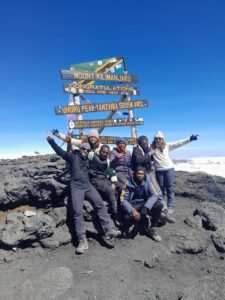
A well-prepared Kilimanjaro packing list will help you stay warm, comfortable, and safe throughout your journey. Whether you are climbing via the Machame Route, Lemosho Route, Marangu Route, Rongai Route, or Northern Circuit, proper preparation significantly increases your chances of reaching Uhuru Peak successfully.
At Mangi Africa Tours and Safari Limited, our experienced mountain guides help climbers prepare before arrival, ensuring they bring the right equipment and clothing for a successful summit.
Why a Proper Kilimanjaro Packing List is Important
Many climbers underestimate how much the weather changes on Kilimanjaro. You may start your trek in warm temperatures and end up walking through freezing conditions during summit night.
Packing correctly helps you:
- Stay warm and dry in changing weather conditions
- Prevent discomfort caused by cold temperatures
- Reduce the risk of blisters and injuries
- Maintain energy during long trekking days
- Improve overall climbing performance
- Increase your chances of reaching the summit
Good preparation begins long before you arrive in Tanzania.
Essential Clothing for Kilimanjaro
1. Base Layers
Base layers are worn closest to your skin and help regulate body temperature while removing moisture.
Recommended:
- Thermal long-sleeve tops
- Thermal leggings
- Moisture-wicking trekking shirts
Avoid cotton clothing because it absorbs moisture and dries slowly.
2. Insulation Layers
Temperatures become significantly colder at higher elevations.
Recommended:
- Fleece jacket
- Lightweight down jacket
- Insulated trekking pants
These layers provide warmth during evenings and summit night.
3. Waterproof Outer Layers
Rain and wind are common on Kilimanjaro.
Recommended:
- Waterproof jacket
- Waterproof pants
- Rain cover for your backpack
A quality waterproof layer can make a huge difference during bad weather.
4. Trekking Clothing
Bring lightweight clothing suitable for daytime hiking.
Recommended:
- Trekking shirts
- Hiking pants
- Shorts for lower elevations
5. Warm Accessories
Temperatures near the summit can fall well below freezing.
Bring:
- Warm hat
- Neck buff
- Waterproof gloves
- Thermal gloves
- Sunglasses
Footwear Essentials
Hiking Boots
Your boots are one of the most important items you will bring.
Choose:
- Waterproof boots
- Good ankle support
- Comfortable fit
- Broken-in footwear
Never attempt Kilimanjaro with brand-new boots.
Hiking Socks
Pack several pairs of:
- Merino wool socks
- Moisture-wicking trekking socks
Dry socks help prevent blisters and keep your feet warm.
Camp Shoes
Lightweight sandals or trainers provide comfort around camp after trekking.
Essential Kilimanjaro Gear
Daypack
A 20–35 litre daypack is ideal for carrying:
- Water
- Snacks
- Camera
- Rain gear
- Extra layers
Sleeping Bag
A sleeping bag rated to at least -10°C is strongly recommended.
Trekking Poles
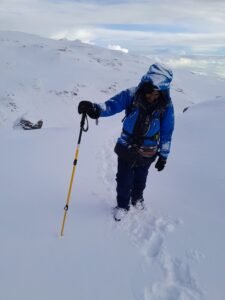
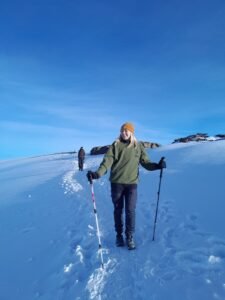
Trekking poles help reduce pressure on knees and improve balance during steep ascents and descents.
Headlamp
A reliable headlamp is essential for summit night.
Bring:
- Extra batteries
- Backup batteries
Water Bottles or Hydration System
Hydration is critical for acclimatization and overall performance.
Carry:
- 2–3 litres of water capacity
Personal Health and Hygiene Items
Don’t forget:
- Sunscreen (SPF 50+)
- Lip balm
- Personal medications
- Wet wipes
- Hand sanitizer
- Quick-dry towel
- Toothbrush and toothpaste
- Small first aid kit
Optional but Highly Recommended Items
These items are not mandatory but can greatly improve comfort:
- Camera
- Smartphone
- Power bank
- Solar charger
- Energy snacks
- Gaiters
- Travel pillow
- Notebook
Packing for Kilimanjaro by Season
January to March
Conditions are generally dry with cooler temperatures.
Bring:
- Warm summit layers
- Waterproof jacket
- Thermal clothing
June to October
This is the most popular climbing season.
Bring:
- Layered clothing
- Good sun protection
- Warm summit gear
November to December
This period can experience rain.
Bring:
- Additional waterproof gear
- Extra dry clothing
- Waterproof stuff sacks
Packing Differences by Route
Machame Route
Known as the “Whiskey Route,” it involves camping throughout the trek. Good rain gear is important.
Lemosho Route
Longer route with excellent acclimatization. Pack additional clothing for the extended duration.
Marangu Route
Uses mountain huts rather than tents, but warm clothing remains essential.
Rongai Route
Generally drier but colder. Proper insulation is important.
Northern Circuit Route
The longest route on Kilimanjaro. Extra clothing and personal comfort items are recommended.
Expert Packing Tips from Our Kilimanjaro Guides
Our mountain guides have helped climbers from around the world reach Uhuru Peak.
Based on years of guiding experience, we recommend:
- Break in your boots before arriving in Tanzania
- Pack clothing in waterproof bags
- Keep summit gear easily accessible
- Carry spare batteries for electronic devices
- Layer clothing rather than relying on one heavy jacket
- Stay hydrated from the first day of the trek
Many successful climbers say proper preparation made their summit attempt far more comfortable.
What is Provided by Mangi Africa Tours and Safari Limited?
When you climb with Mangi Africa Tours and Safari Limited, many essentials are already included:
- Professional mountain guides
- Experienced porters
- Camping equipment
- Sleeping tents
- Dining tents
- Nutritious meals
- Safety equipment
- Emergency oxygen
- Daily health monitoring
This allows climbers to focus on enjoying the experience while our team handles logistics and safety.
Mangi Africa Tours and Safari Limited is trusted by climbers worldwide and has received positive reviews from travelers who have experienced our Kilimanjaro adventures and Tanzania safaris.
Why Climb Kilimanjaro with Mangi Africa Tours and Safari Limited?
Choosing the right tour operator is one of the most important decisions when planning a Kilimanjaro climb. At Mangi Africa Tours and Safari Limited, our experienced mountain guides, dedicated porters, and professional support team are committed to providing safe, ethical, and memorable trekking experiences on Africa’s highest mountain.
Our company is trusted by climbers from around the world and has earned positive reviews on TripAdvisor and TourHQ from travelers who have successfully completed Kilimanjaro treks and Tanzania safaris with us. From your first inquiry to your summit at Uhuru Peak, our team provides expert guidance, quality equipment, nutritious meals, and personalized support throughout your adventure.
Whether you choose the Machame Route, Lemosho Route, Marangu Route, Rongai Route, or Northern Circuit Route, we are dedicated to helping you achieve your dream of standing on the Roof of Africa.
Also improve your call-to-action to:
Ready to Climb Kilimanjaro?
Book your Kilimanjaro adventure with Mangi Africa Tours and Safari Limited and join hundreds of travelers who have trusted us for unforgettable experiences in Tanzania. Read our reviews on TripAdvisor and TourHQ to learn why climbers choose our experienced team for safe, professional, and successful Kilimanjaro expeditions.
Contact us today for expert route advice, packing guidance, and a personalized Kilimanjaro trekking itinerary.
Frequently Asked Questions
How much weight can porters carry?
Porters generally carry up to 15 kg of your personal gear, excluding your daypack.
Can I rent Kilimanjaro gear in Tanzania?
Yes. Items such as sleeping bags, jackets, trekking poles, and gaiters are available for rent.
What is the most important item to pack?
Good hiking boots and proper clothing layers are the most important items.
How cold does Kilimanjaro get?
Summit temperatures can drop well below freezing, especially during the night.
Do I need trekking poles?
They are not mandatory but highly recommended for stability and reducing strain on your knees.
How many pairs of socks should I bring?
At least 4–6 pairs of quality hiking socks are recommended.
Should I bring a suitcase or duffel bag?
A soft duffel bag is generally easier for porters to carry than a hard suitcase.
Can beginners climb Kilimanjaro?
Yes. With proper preparation, training, and support from experienced guides, many first-time trekkers successfully reach the summit.
Final Thoughts
A successful Kilimanjaro climb starts with proper preparation. Having the right clothing, footwear, and equipment will improve your comfort, safety, and chances of reaching Uhuru Peak.
Whether you are planning to climb via the Machame Route, Lemosho Route, Marangu Route, Rongai Route, or Northern Circuit Route, following this Kilimanjaro packing list will help ensure you are ready for the adventure of a lifetime.
Ready to Climb Kilimanjaro?
Book your Kilimanjaro adventure with Mangi Africa Tours and Safari Limited and let our experienced mountain team guide you safely to the Roof of Africa. Contact us today for expert advice on routes, preparation, equipment, and achieving your summit dream.