Family Safari Tanzania 2026: Where Children Stop Looking at Screens and Start Watching the Wild

Family Safari Tanzania 2026: Where Children Stop Looking at Screens and Start Watching the Wild
The first elephant usually changes everything.
Not the photograph.
Not the checklist moment.
The real moment.
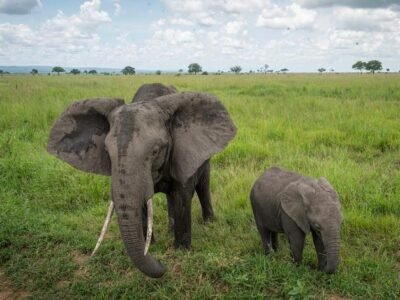
The silence inside the safari vehicle when a child suddenly sees how enormous an elephant truly is in the wild. The way its ears move slowly. The deep rumbling sound felt almost more than heard. Dust rising softly around its feet as it crosses the road without hurry.
For a few seconds, nobody reaches for a phone.
Nobody speaks loudly.
The wilderness takes over the conversation.
That is the quiet power of a family safari in Tanzania.
It pulls families into the same experience together.
Not through schedules or entertainment.
But through attention.
And in 2026, more families are searching for exactly that kind of journey:
something immersive,
something meaningful,
something real.
Not just another holiday.
But a shared memory strong enough to stay with children long after they grow older.
Why Tanzania Works So Well for Family Safaris
Some safari destinations feel too rushed for families.
Others feel too remote or logistically difficult.
Tanzania creates balance.
The northern safari circuit combines:
- extraordinary wildlife
- relatively smooth safari logistics
- family-friendly lodges
- varied landscapes
- strong guiding culture
- immersive cultural experiences
And perhaps most importantly, the wildlife density keeps children engaged naturally.
Because Tanzania does not feel like a zoo.
It feels unpredictable.
One moment:
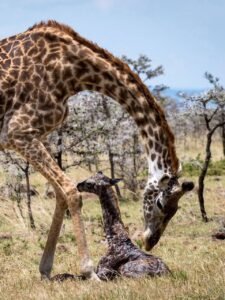
giraffes beside the road.
The next:
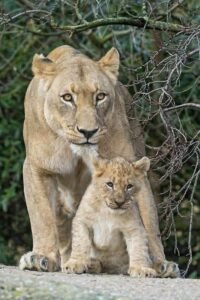
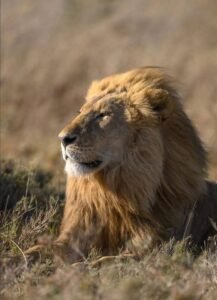
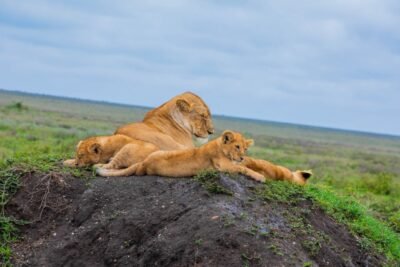
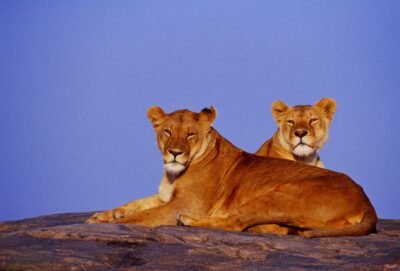
a lion pride sleeping beneath acacia shade while cubs wrestle nearby.
Children respond strongly to that unpredictability.
So do adults.
Safari Through a Child’s Eyes
Adults often arrive on safari carrying expectations:
the Big Five,
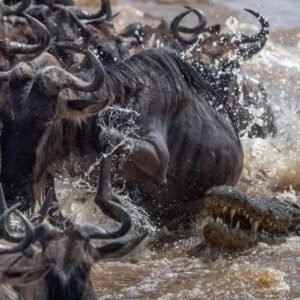
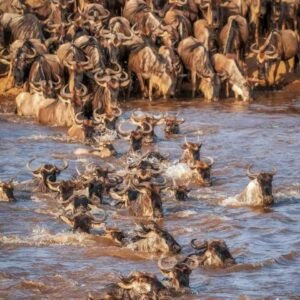
migration crossings,
famous landscapes.
Children notice different things entirely.
Dung beetles rolling tiny worlds across the road.
Baby elephants hiding beneath mothers.
Monkey calls echoing through forests.
The shape of giraffe shadows at sunset.
Sometimes guides say children become the best safari observers because they remain fully curious without trying to “complete” the experience.
And family safaris work best when everyone slows down enough to see the small details too.
The Emotional Rhythm of a Family Safari
A good family safari should not feel exhausting.
The best itineraries create rhythm:
- exciting game drives
- quiet lodge time
- swimming pools
- storytelling around campfires
- flexible pacing
- moments of rest between long wildlife days
Children rarely need constant stimulation in Tanzania.
The environment itself becomes absorbing.
Even simple moments feel memorable:
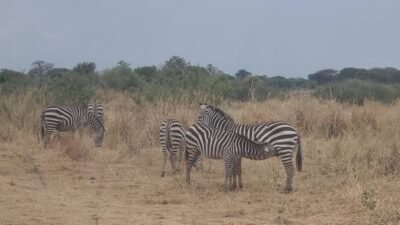
watching zebras from the lodge terrace,
hearing lions after dark,
drinking hot chocolate beside an early morning fire before sunrise drives.
Best National Parks for Family Safari in Tanzania
Serengeti National Park
Serengeti National Park is often the moment safari becomes unforgettable for children.
The plains feel endless.
Wildlife appears constantly:
- lions
- elephants
- zebras
- giraffes
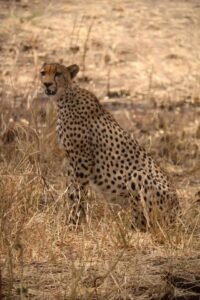
- cheetahs
- wildebeest
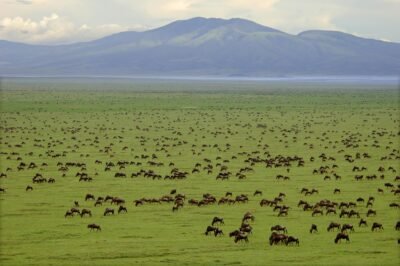
And during migration season, the sheer movement of animals feels overwhelming in the best possible way.
Children often remember the sounds first:
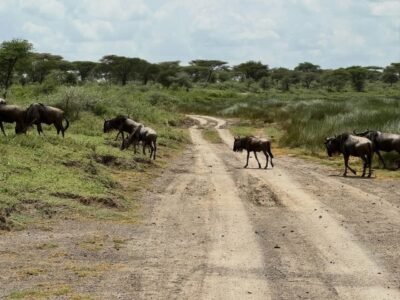
thousands of wildebeest calling across the plains at dusk,
hyenas at night,
the distant roar of lions beyond camp.
The Serengeti feels alive even when nothing dramatic is happening.
Tarangire National Park
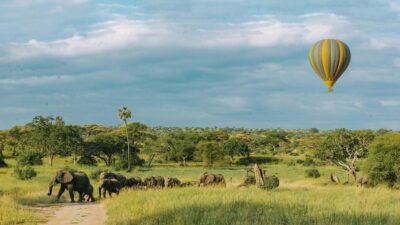
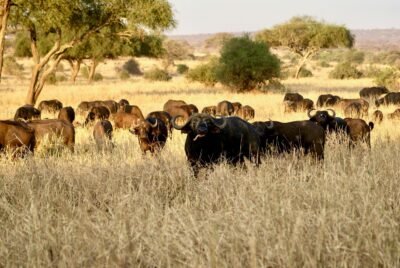
Tarangire National Park works beautifully for families because wildlife often appears close and frequently.
Elephants dominate the experience here.
Massive herds move slowly through baobab landscapes while calves remain tucked safely between adults.
Children quickly begin recognizing elephant personalities:
playful young calves,
protective mothers,
older bulls moving independently through the bush.
Tarangire also feels quieter than some parks.
That slower atmosphere suits family travel well.
Ngorongoro Crater
Descending into Ngorongoro Crater feels almost cinematic.
Mist hangs above the crater floor while wildlife spreads across grasslands beneath towering volcanic walls.
Because the crater contains such concentrated wildlife, families often experience multiple exciting sightings within a single game drive:
- lions
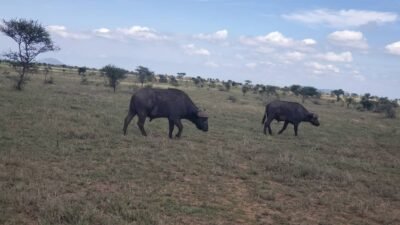
- buffalo
- zebras
- hippos
- hyenas
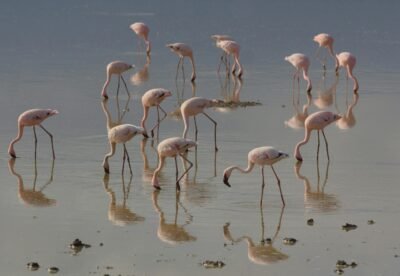
- flamingos
The enclosed landscape also helps younger travellers stay visually engaged.
Animals remain easier to spot than in denser wilderness areas.
Lake Manyara National Park
Lake Manyara National Park introduces families to another side of Tanzania entirely.
Cool forest roads,
monkey troops overhead,
birds everywhere,
hippos resting near the lake.
Children especially enjoy Manyara’s atmosphere because the environment changes constantly:
forest,
open lake,
wetlands,
escarpment views.
It feels dynamic and layered.
A Typical Family Safari Day
Before Sunrise
The camp is still dark when staff quietly wake guests with coffee or hot chocolate.
Children step outside wrapped in jackets against surprisingly cold morning air.
Somewhere nearby, a hyena calls once before disappearing into silence.
Morning Game Drive
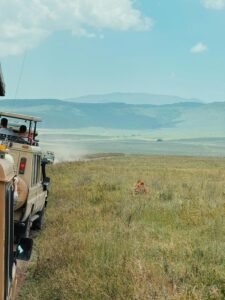
The safari vehicle moves slowly through golden dawn light.
Animals become active before the heat arrives:
- lions returning from night hunts
- giraffes feeding
- elephants crossing roads
- birds filling the air with sound
This is often the best wildlife viewing period of the day.
Midday Rest
Family safaris work best with proper breaks.
By midday:
- children swim
- parents relax
- guides share stories
- everyone slows down
Safari should breathe naturally rather than feel over-scheduled.
Evening Around Camp
Evenings become deeply memorable.
Lanterns glow softly around camp while cooks prepare dinner and the bush darkens beyond the firelight.
Children often sit quietly listening to guide stories:
tracking lions,
migration crossings,
close elephant encounters.
And above the camp:
stars.
Thousands of them.
For many families arriving from large cities, the night sky alone becomes unforgettable.
Best Ages for Family Safari Tanzania
| Age Group | Safari Experience |
|---|---|
| Under 5 | Shorter drives, lodge-focused |
| 6–10 | Excellent wildlife curiosity |
| 11–15 | Deep engagement with safari |
| Teens | Photography, conservation, adventure |
Older children and teenagers often connect strongly with:
- wildlife photography
- Maasai culture
- conservation discussions
- tracking animals with guides
Safari gives teenagers something increasingly rare:
real-world immersion.
Family-Friendly Safari Lodges
The best family lodges in Tanzania understand pacing.
They provide:
- larger family tents or suites
- flexible meal times
- swimming pools
- child-friendly guides
- safe camp layouts
- relaxed atmospheres
Some even offer:
- junior ranger activities
- wildlife education
- bush walks for older children
- storytelling evenings
But the strongest lodges never feel artificial.
The wilderness still remains central.
Cultural Experiences Families Remember
Safari becomes richer when families connect with local culture as well as wildlife.
Visits with Maasai communities often become meaningful moments for children:
learning traditional dances,
seeing village life,
hearing stories from local elders.
These experiences help safari feel human rather than purely observational.
Africa stops feeling distant.
It becomes personal.
Combining Safari With Zanzibar
Many families extend safari with time in Zanzibar.
And emotionally, the transition works beautifully.
After dusty game drives and early mornings, Zanzibar slows everything down:
- warm ocean water
- white beaches
- dhow boats
- relaxed evenings
- snorkeling and swimming
Children love the contrast.
Parents usually do too.
Safety on Family Safari
Tanzania safaris are generally very safe when guided professionally.
Experienced safari guides manage:
- wildlife distance
- road safety
- lodge procedures
- park regulations
Children quickly learn safari etiquette naturally:
- staying quiet near animals
- remaining inside vehicles
- respecting wildlife space
And surprisingly, many children become calmer and more observant in the bush than they are at home.
Safari demands attention gently.
What Children Often Remember Most
Adults sometimes expect children to remember:
- the Big Five
- migration crossings
- famous landscapes
But years later, families often hear different memories:
- “Remember the elephants beside the road?”
- “Remember hearing lions at night?”
- “Remember the guide making animal tracks in the sand?”
- “Remember breakfast in the bush?”
The emotional atmosphere stays longest.
Not just the sightings.
Suggested Family Safari Itinerary (7 Days)
| Day | Destination |
|---|---|
| Day 1 | Arrival in Arusha |
| Day 2 | Tarangire National Park |
| Day 3 | Lake Manyara |
| Day 4 | Serengeti National Park |
| Day 5 | Full Serengeti Safari |
| Day 6 | Ngorongoro Crater |
| Day 7 | Return to Arusha |
Families wanting a slower pace may add:
- extra Serengeti nights
- cultural experiences
- Zanzibar beach extension
Field Notes From Family Safari Guides
“Children often spot animals before adults do.”
“The quiet moments become the strongest memories.”
“Families reconnect naturally in the bush.”
“Safari slows everyone down together.”
“The wilderness teaches patience without forcing it.”
Why Family Safari Matters More Than Ever
Modern families spend enormous amounts of time distracted separately.
Different screens.
Different schedules.
Different rhythms.
Safari interrupts that pattern.
Not artificially.
Naturally.
Out here:
everyone watches the same horizon,
waits for the same wildlife,
shares the same silence.
And that shared attention creates something increasingly rare:
presence.
Real presence together.
Final Reflections: What Families Carry Home From Tanzania
Long after the safari ends, Tanzania lingers in family memory in unexpected ways.
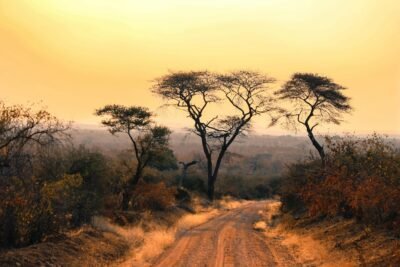
Dust glowing beneath sunset light.
Elephants crossing slowly through baobab shadows.
Cold mornings wrapped in blankets before sunrise drives.
Then:
campfire laughter,
lion calls after dark,
children asking endless questions about animal tracks in the road.
A family safari in Tanzania is not simply a holiday built around wildlife.
It becomes a shared story.
One that unfolds slowly across open plains, volcanic craters, forests, rivers, and endless African skies.
And somewhere between the first elephant sighting and the final sunset over the Serengeti, many families rediscover something modern life quietly steals from them:
the ability to experience wonder together. Book now your family safari in Tanzania 2026.
Family Safari Packing Essentials
- Comfortable family clothing
- Snacks for children
- Binoculars for kids
- Sunscreen
- Camera
- Small backpacks
- Wet wipes
- Light jackets
Add FAQ Section
Frequently Asked Questions
Is Tanzania safari suitable for children?
Yes. Many lodges and safari programs are family-friendly.
Which parks are best for families?
Tarangire, Ngorongoro, and Lake Manyara are excellent for family safaris.
What age is ideal for children on safari?
Many families travel successfully with children aged 6 and above.
Are private family safaris available?
Yes. Private safaris allow flexibility and comfort for families.