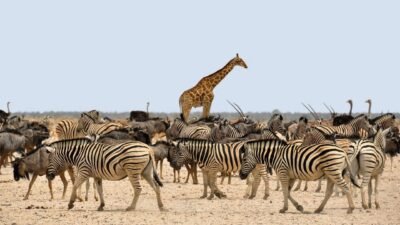
7-Day Tanzania Safari Itinerary 2026: Seven Days Across the Wild Soul of East Africa

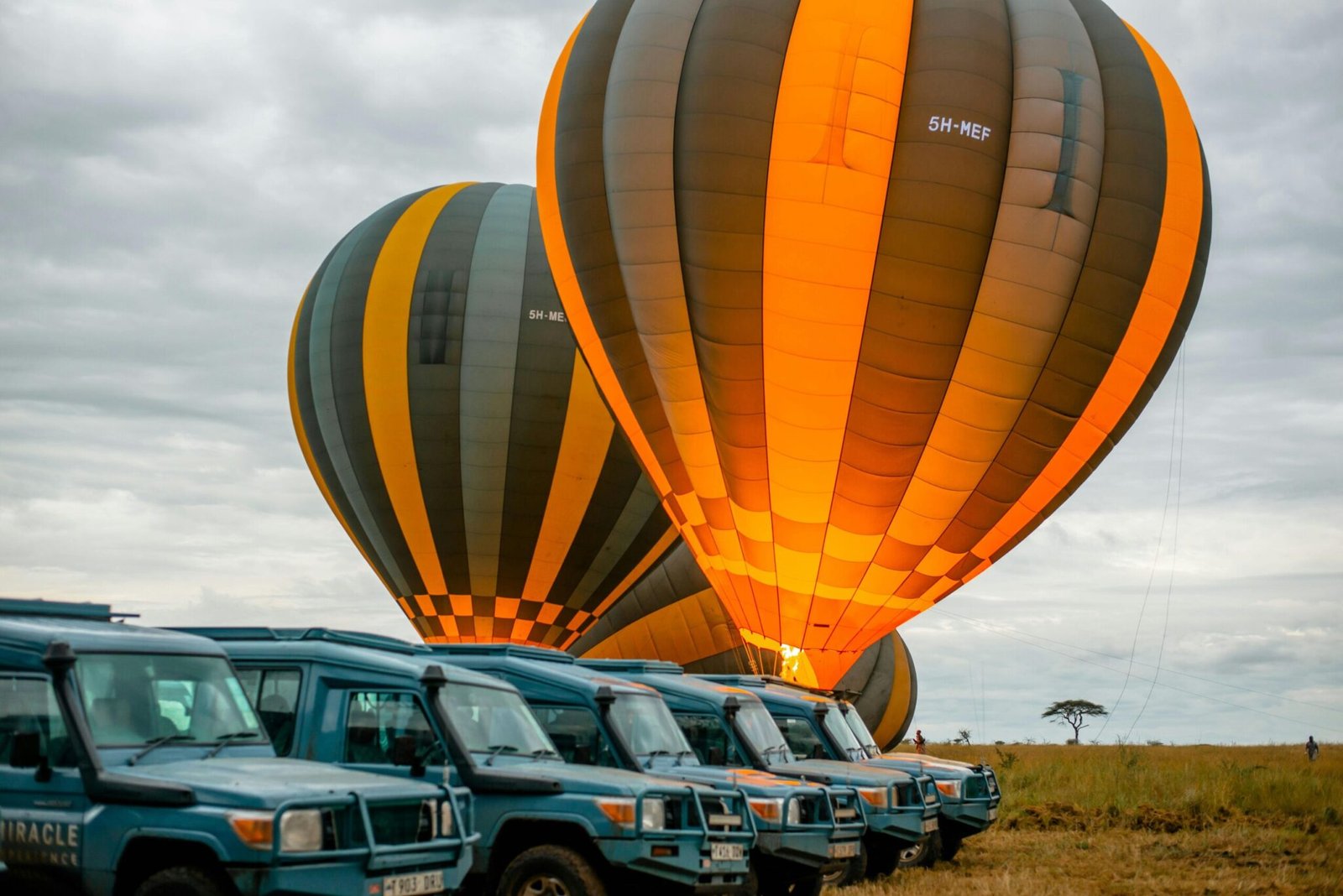
7-Day Tanzania Safari Itinerary 2026: Seven Days Across the Wild Soul of East Africa
The first morning of safari begins before sunrise.
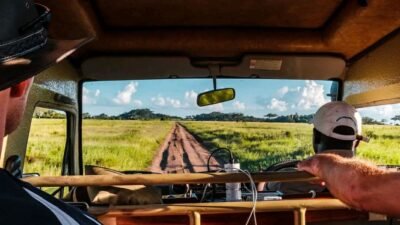
The city is still quiet when the vehicle rolls slowly through the streets of Arusha. Shop doors remain closed. Mount Meru stands hidden behind darkness and cloud while safari guides load water bottles, camera bags, and lunch boxes into the vehicle with practiced calm.
Travellers usually speak softly at first.
Part excitement.
Part uncertainty.
Then the road opens toward the wilderness.
And somewhere between the last petrol station and the first acacia trees, Tanzania begins changing people.
Not suddenly.
Gradually.
The landscapes grow wider.
The air feels different.
Time slows.
By the end of seven days, most travellers leave carrying far more than photographs:
dust on their boots,
lion calls in their memory,
the silence of sunrise game drives,
the feeling of sitting beside wildlife with nowhere else to be.
A 7-day Tanzania safari is long enough to immerse yourself properly without rushing the experience. It allows the journey to unfold naturally across some of East Africa’s most extraordinary ecosystems:
- elephant-rich river valleys
- ancient volcanic craters
- endless Serengeti plains
- forests alive with birdsong
- baobab landscapes glowing beneath sunset light
And perhaps most importantly, seven days allows travellers to settle into safari rhythm itself.
Wake before dawn.
Drive slowly.
Watch carefully.
Listen more than usual.
That rhythm becomes part of the experience.
Why a 7-Day Tanzania Safari Feels Different
Short safaris can feel rushed.
Longer expeditions require more time and budget than many travellers have available.
Seven days creates balance.
There is enough time to:
- explore multiple ecosystems
- adapt to safari pace
- experience different wildlife behaviours
- enjoy both dramatic sightings and quieter moments
And those quieter moments matter.
Because safari is not only about predators.
It is also:
- elephant dust rising through golden light
- giraffes walking silently through acacia woodland
- coffee beside the vehicle at sunrise
- hyenas calling beyond camp after dark
The atmosphere between sightings often becomes the strongest memory.
Overview of the 7-Day Tanzania Safari Itinerary
| Day | Destination |
|---|---|
| Day 1 | Arrival in Arusha |
| Day 2 | Tarangire National Park |
| Day 3 | Lake Manyara National Park |
| Day 4 | Serengeti National Park |
| Day 5 | Full Day Serengeti Safari |
| Day 6 | Ngorongoro Crater |
| Day 7 | Return to Arusha |
This route follows Tanzania’s famous Northern Circuit, one of Africa’s most rewarding safari journeys.
Day 1 — Arrival in Arusha: The Beginning of the Journey
Most international travellers arrive through Kilimanjaro International Airport before transferring to Arusha.
The first evening is intentionally calm.
No long drives.
No pressure.
Just time to breathe after international flights while East Africa slowly introduces itself.
The atmosphere around Arusha feels transitional:
part city,
part safari frontier.
Safari vehicles move between coffee farms and dusty roads while guides prepare for upcoming journeys into the bush.
If the skies are clear, travellers sometimes catch their first distant glimpse of Mount Kilimanjaro or Mount Meru glowing in evening light.
And that first safari briefing around dinner often changes the mood entirely.
Suddenly, the adventure feels real.
Day 2 — Tarangire National Park: Land of Giants
The road to Tarangire National Park moves gradually away from towns and into open country.
The landscape changes slowly:
dry earth,
scattered Maasai villages,
acacia woodland,
distant baobab silhouettes rising against the sky.
Then wildlife begins appearing beside the road.
Zebras first usually.
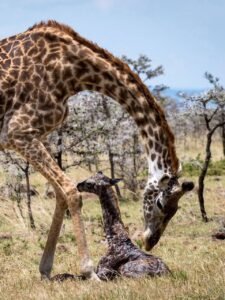
Then giraffes.
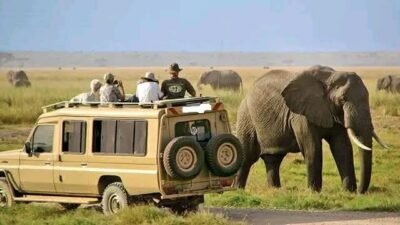
Then elephants.
Tarangire feels quieter than the Serengeti. More intimate somehow.
But the park carries extraordinary atmosphere, especially during the dry season when massive elephant herds gather near the Tarangire River.
Sometimes hundreds move through the landscape together.
Dust coats their skin while calves remain close beneath enormous adults.
Watching elephants in Tarangire rarely feels rushed.
The guides slow down here.
Safari becomes observational rather than dramatic.
And late afternoon light inside Tarangire can feel astonishingly beautiful:
gold filtering through trees while wildlife moves toward water beneath ancient baobabs.
Safari Field Note: Elephant Behaviour
“If you spend enough time watching elephants, you begin understanding their moods without words.”
Experienced guides often identify subtle behaviour changes:
- ear movement
- trunk positioning
- protective herd formations
- communication between calves and mothers
These details transform ordinary sightings into meaningful encounters.
Day 3 — Lake Manyara National Park: Forests, Water, and Silence
Lake Manyara National Park feels completely different from Tarangire.
The park sits beneath the Great Rift Valley escarpment where underground water feeds lush groundwater forests alive with birdsong and cool shade.
Driving into Manyara feels like entering another ecosystem entirely.
Baboon troops move through the forest.
Blue monkeys leap between branches.
Elephants appear unexpectedly through thick green vegetation.
Then suddenly the forest opens toward the lake itself.
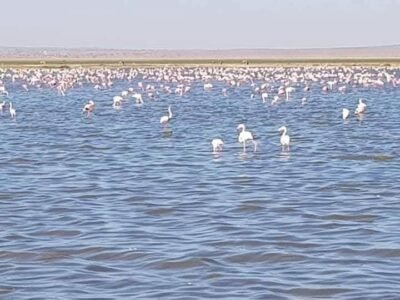
Depending on season, flamingos gather across the shoreline while hippos remain half-submerged beneath still water.
Manyara feels atmospheric rather than overwhelming.
A place of texture and subtle beauty.
And during the rainy season, the landscape glows impossibly green beneath dramatic Rift Valley skies.
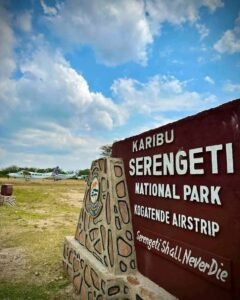
Day 4 — Journey Into the Serengeti
This is the day the landscape begins expanding dramatically.
The drive toward Serengeti National Park feels almost cinematic.
The road climbs through highlands near the Ngorongoro Conservation Area before opening gradually toward endless plains.
Then suddenly:
the Serengeti horizon appears.
Wide.
Empty.
Ancient.
There are moments when travellers fall completely silent seeing it for the first time.
Because the Serengeti does not feel like a normal park.
It feels limitless.
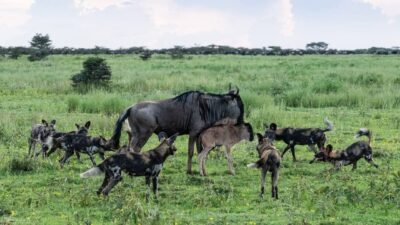
Wildlife appears everywhere:
gazelles,
wildebeest,
zebra,
ostrich,
hyenas,
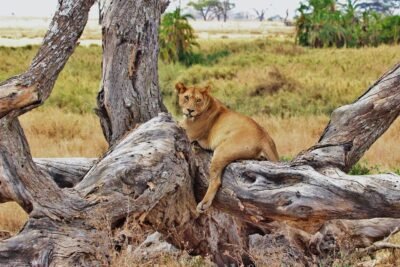
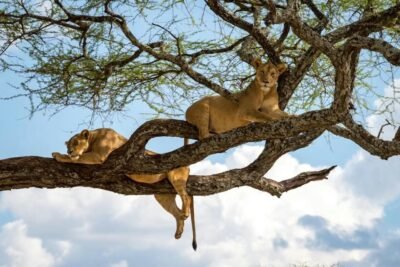
lions resting beneath acacias.
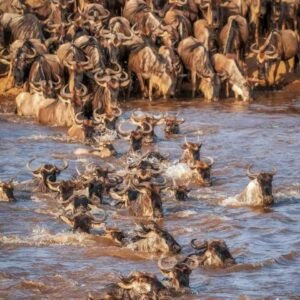
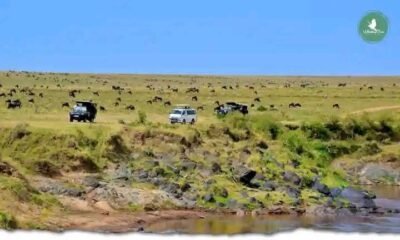
And during migration season, the plains themselves seem alive with movement.
Campfire Evenings in the Serengeti
Safari nights shape the emotional memory of Tanzania as much as game drives themselves.
After sunset, camps glow softly beneath lantern light while darkness settles across the plains.
Then the sounds begin.
Hyenas laughing in the distance.
Lions roaring beyond camp.
Zebras moving unseen through the night.
No walls separate you completely from the wilderness.
And that awareness changes everything.
Day 5 — Full Day Safari in the Serengeti
Full safari days in the Serengeti unfold differently every time.
That unpredictability is part of the magic.
Some mornings begin with predators:
lions returning from hunts,
cheetahs scanning grasslands,
leopards descending trees before sunrise heat arrives.
Other days focus on migration movement:
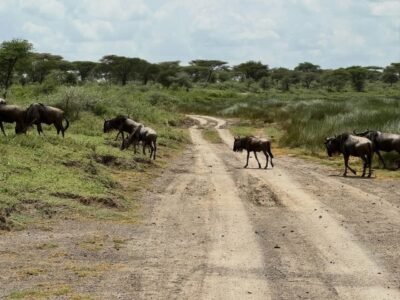
thousands of wildebeest crossing the plains beneath enormous skies.
And sometimes the most emotional moments are surprisingly quiet.
Watching giraffes move through morning fog.
Listening to wind moving across open grasslands.
Standing beside the vehicle while silence stretches in every direction.
The Serengeti teaches patience.
And travellers who stop chasing sightings often experience the deepest safari moments.
Day 6 — Ngorongoro Crater: Africa’s Lost World
Descending into Ngorongoro Crater early in the morning feels unforgettable.
Mist drifts across the crater floor while sunlight slowly reaches the grasslands below.
Everything inside the crater feels concentrated:
wildlife,
water,
predators,
movement.
Because the crater acts like a natural enclosure, game viewing here often feels remarkably rich.
Buffalo gather near marshlands.
Hippos rest in pools.
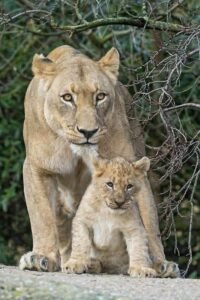
Lions patrol open grasslands.
And if luck aligns, travellers may glimpse one of Tanzania’s rare black rhinos moving quietly through the distance.
The crater atmosphere feels ancient.
Almost prehistoric.
Especially during quiet early hours before more vehicles arrive.
Day 7 — Returning to Arusha
The final drive back toward Arusha often feels quieter.
Travellers spend more time looking out the window.
Something shifts after several days in the bush.
The outside world feels distant somehow.
Phones matter less.
Schedules matter less.
Safari changes attention itself.
And by the time the vehicle returns to Arusha, many travellers already begin planning how to return one day.
What Wildlife Can You Expect During a 7-Day Safari?
| Wildlife | Common Sightings |
|---|---|
| Elephants | Tarangire, Serengeti |
| Lions | Serengeti, Ngorongoro |
| Giraffes | Throughout Northern Circuit |
| Wildebeest | Serengeti |
| Zebras | Serengeti, Tarangire |
| Hippos | Manyara, Ngorongoro |
| Flamingos | Lake Manyara |
| Cheetahs | Serengeti |
| Leopards | Serengeti, Manyara |
Wildlife sightings are never guaranteed.
That unpredictability keeps safari authentic.
Luxury vs Mid-Range vs Budget Safari
Luxury Safari
- premium lodges
- private experiences
- fly-in options
- exceptional comfort
Mid-Range Safari
- comfortable lodges
- balanced pricing
- excellent safari value
Budget Safari
- simpler camps
- adventurous atmosphere
- affordable access to world-class wildlife
The wilderness remains the same.
Only the style of travel changes.
Field Notes From Experienced Safari Guides
“The best sightings usually happen when nobody is rushing.”
“Elephants change the mood of every game drive.”
“Sunrise matters more than people expect.”
“The Serengeti teaches patience.”
“Safari is about atmosphere as much as wildlife.”
Why Seven Days Feels Right
A seven-day safari allows travellers to stop behaving like tourists.
That shift matters.
By the middle of the journey:
- mornings feel natural
- wildlife behaviour becomes familiar
- silence feels comfortable
- observation deepens
And once that happens, Tanzania begins revealing itself differently.
Not as a checklist destination.
But as a living landscape still shaped by migration, weather, predators, distance, and time.
Final Reflections: Leaving the Bush Behind
Long after the safari ends, certain memories remain unexpectedly vivid.
Dust rising behind elephant herds.
Cold air before dawn game drives.
The smell of wood smoke at camp.
Then:
lion calls at night,
the endless Serengeti horizon,
sunlight spilling slowly across Ngorongoro Crater.
A 7-day Tanzania safari does something modern life rarely allows anymore.
It slows people down.
Not through force.
But through immersion.
The wilderness resets attention naturally.
And somewhere between the baobab trees of Tarangire and the open plains of the Serengeti, travellers often rediscover something simple and important:
how to truly observe the world again. Book now safari adventure 2026.
Day Safari Packing List
- Safari clothing
- Camera batteries
- Day backpack
- Comfortable walking shoes
- Sunglasses
- Hat
- Reusable water bottle
Add FAQ Section
Frequently Asked Questions
Is 7 days enough for Tanzania safari?
Yes. Seven days allows travelers to experience multiple northern circuit parks comfortably.
Which parks are included in most 7-day safaris?
Serengeti, Ngorongoro, Tarangire, and Lake Manyara are common combinations.
Can 7-day safaris be customized?
Absolutely. Travelers can adjust pace, accommodation, and activities.
What is the best season for a 7-day safari?
June to October is highly popular, though wildlife viewing is excellent year-round.