Kilimanjaro Trekking Cost 2026 – Full Price Guide

Kilimanjaro Trekking Cost 2026 – A Real Story From the Slopes of Africa’s Highest Mountain
There is a moment on Mount Kilimanjaro when money stops mattering.
It usually happens somewhere between the forest line and the alpine desert—when your breath becomes slower, your steps more deliberate, and the world around you starts to feel like another planet.
But before that moment… before the silence, before the stars above Barafu Camp, before the final push to Uhuru Peak…
Every traveler asks the same question:
“How much does it cost to climb Kilimanjaro?”
It is a practical question.
But the answer is never just numbers.
Because Kilimanjaro is not a product.
It is an experience built from people, weather, altitude, patience, fear, laughter, exhaustion, and quiet determination.
And the cost?
It is the structure that holds all of that together.
At Mangi Africa Tours and Safari Limited, we have seen this mountain from every angle—sunrise on the summit, storms on the ridge, laughter in camp, silence in altitude headaches, and the final tears of success at Uhuru Peak Uhuru Peak.
So let’s talk about cost.
But not like a brochure.
Like someone who has actually been there.
First, Understand What You Are Really Paying For
When people hear “Kilimanjaro trekking package cost,” they often imagine just a guide and a path.
But Kilimanjaro is a fully supported mountain system.
Nothing is left to chance.
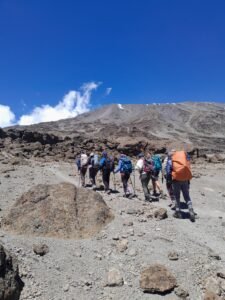
Every climber becomes part of a moving expedition that includes guides, porters, cooks, permits, rescue systems, food, tents, logistics, and national park regulations.
You are not hiking alone.
You are being carried, supported, watched, and guided every step of the way.
This is Mount Kilimanjaro Mount Kilimanjaro—and it operates like a living ecosystem of human coordination.
The Real Breakdown of Kilimanjaro Trekking Cost (2026)
Let’s open it slowly, like a map spread across a wooden table in a Moshi lodge.
Here is what your money actually goes into:
1. Park Fees – The Largest Fixed Cost
The mountain is protected by law under Kilimanjaro National Park Kilimanjaro National Park.
And entering it is not cheap—and for good reason.
Typical park-related costs include:
- Conservation fees
- Camping or hut fees
- Rescue fees
- Crew fees (guides & porters entry)
For a 7-day trek, this alone becomes a significant portion of your total cost.
But when you are standing above the clouds, watching sunrise spill over the crater rim… you understand why.
This mountain is protected like a national treasure—because it is one.
2. Guides, Porters, and Cook Team
This is where Kilimanjaro becomes human.
Behind every successful summit, there is a team walking with you:
- guides leading the pace
- porters carrying gear
- cooks preparing hot meals in freezing camps
They are the heartbeat of the mountain.
Without them, Kilimanjaro would not be climbable for most people.
And here is something most travelers don’t see in brochures:
At night in camp, when the wind hits the tents and the temperature drops sharply, it is the porters who still move between tents checking stability…
It is the guides who wake early to check your oxygen level…
It is the cook who makes sure you still eat warm soup even when you feel like giving up.
This is what you are paying for.
Not just labor.
Care.
3. Food, Water, and Mountain Logistics
Food on Kilimanjaro is not luxury.
It is survival fuel.
A typical trekking menu includes:
- hot porridge in the morning
- eggs, toast, fruits
- rice, vegetables, chicken or beef
- soup at altitude camps
- constant hydration support
Water is carried, treated, and boiled carefully.
Everything is planned for altitude safety.
Because at 4,000 meters… your appetite disappears, but your body still needs fuel.
4. Camping Equipment & Safety Gear
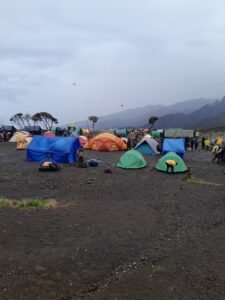
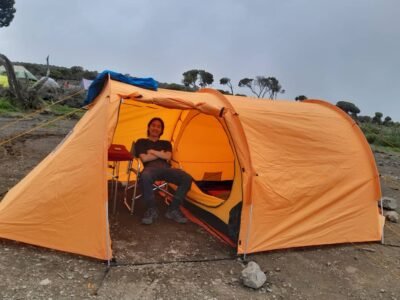
On the mountain, you live in tents.
Not just any tents—high-altitude expedition tents designed for:
- freezing wind
- rainstorms
- sudden weather shifts
- summit-night cold
Equipment includes:
- sleeping tents
- dining tents
- sleeping mats
- chairs & tables
- emergency gear
5. Transport & Logistics
Your journey begins long before the trail.
From Arusha or Moshi Arusha, you are driven to the mountain gates, usually through villages, plantations, and misty foothills.
So… How Much Does Kilimanjaro Cost in 2026?
Now we put everything together.
Here is the real picture:
Average Total Cost per Person
| Trek Type | Price Range |
|---|---|
| Budget Group Trek | $1,800 – $2,400 |
| Mid-Range Trek | $2,400 – $3,500 |
| Premium Private Trek | $3,500 – $6,000+ |
But here is something important:
If you see a price that is too low…
Something is missing.
Usually:
- safety standards
- proper food
- fair porter wages
- quality equipment
- emergency support
On Kilimanjaro, cost is not just about comfort.
It is about safety.
The Routes That Shape the Cost
Not all Kilimanjaro journeys cost the same.
Because not all routes are the same.
Lemosho Route – Longer, More Expensive, Higher Success
- 7–8 days
- best acclimatization
- scenic rainforest & valleys
- higher cost due to duration
💰 $2000 – $4,500
Machame Route – Popular Adventure Route
- 6–7 days
- steep but scenic
- excellent balance of cost and success
💰 $2,000 – $3,800
Marangu Route – Shorter, Lower Cost
- hut accommodation
- faster ascent
- lower price but lower success rate
💰 $1,800 – $3,000
Rongai Route – Quiet Northern Approach
- less crowded
- dry side of mountain
- mid-range pricing
💰 $2,000 – $3,500
The Hidden Value Behind the Cost
There is something travelers only understand after the climb.
Kilimanjaro is not paid in dollars.
It is paid in moments.
The moment you stop and realize:
- your breath is visible in the cold air
- your legs are stronger than you thought
- strangers have become teammates
- silence feels heavier than sound
And then summit night arrives.
You walk in darkness.
Step after step.
Nothing but headlamps and wind.
Until suddenly…
The sky turns gold.
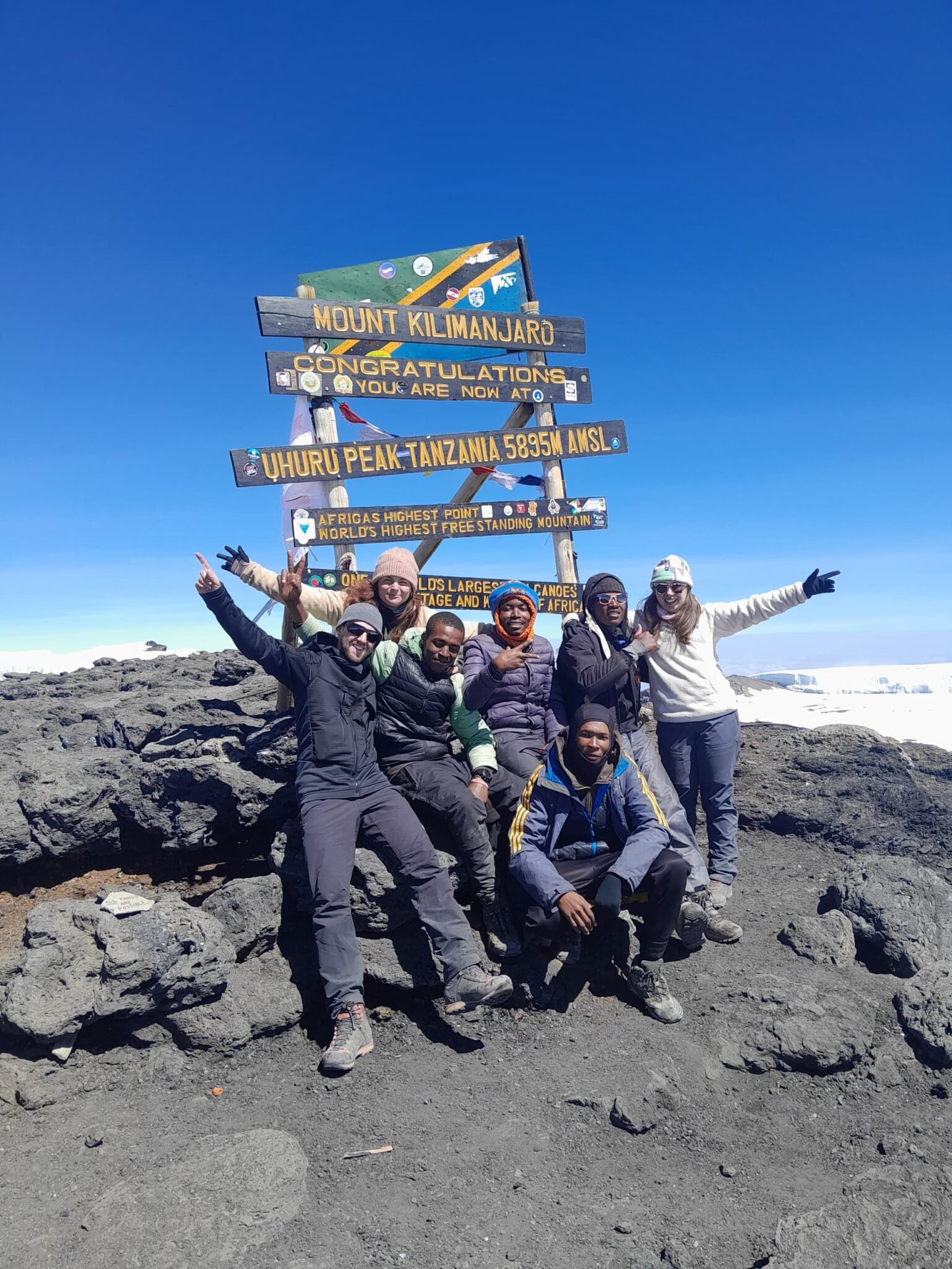
And you are standing on Uhuru Peak Uhuru Peak.
No price tag explains that moment.
Why Book With Mangi Africa Tours and Safari Limited
Because Kilimanjaro is not a solo decision.
It is a guided experience.
We provide:
- certified mountain guides
- experienced porter teams
- proper altitude management
- emergency safety systems
- ethical treatment of staff
- high summit success planning
And most importantly:
We have been on this mountain long enough to understand when to push… and when to slow down.
Trusted Reviews Matter
Before climbers book, they check experiences.
And we are proud of what they find.
- Tripadvisor Kilimanjaro Reviews
- TourHQ Tanzania Mountain Guides
- Kilimanjaro National Park Authority
These reviews are not marketing.
They are stories from people who stood on the same mountain.
Combine Kilimanjaro With Safari & Zanzibar
Many climbers don’t stop after the summit.
They continue.
Because Tanzania is not one experience.
It is a journey:
- Wildlife in Serengeti National Park Serengeti National Park
- Crater views in Ngorongoro
- Ocean recovery in Zanzibar
Climb. Explore. Rest.
That is the rhythm.
Final Reflection – What Kilimanjaro Really Costs
If you strip everything away…
Permits. Food. Guides. Equipment.
What remains is something simple.
A mountain.
And a human being trying to reach the top of it.
The real cost of Kilimanjaro is not financial.
It is commitment.
To yourself.
To the journey.
To the slow steps in thin air when your body says stop but your mind says one more step.
And when you finally reach the top…
You don’t think about money.
You think about meaning.
Book Your Kilimanjaro Trekking Package Today
At Mangi Africa Tours and Safari Limited, we don’t promise an easy climb.
We promise a real one.
A safe one.
A supported one.
A life-changing one.
👉 Contact us today to plan your Kilimanjaro trekking package and choose the right route for your journey.
FAQ – Kilimanjaro Trekking Cost 2026
Q1: Why is Kilimanjaro expensive?
Because it includes park fees, guides, porters, food, safety systems, and logistics.
Q2: Can I climb Kilimanjaro cheaply?
Yes, but lower prices often reduce safety, food quality, and success rates.
Q3: What is the cheapest route?
Marangu Route is usually the most affordable.
Q4: What is the best value route?
Lemosho and Machame offer the best balance of success and experience.
Q5: Do I need experience?
No, but fitness and preparation are important.