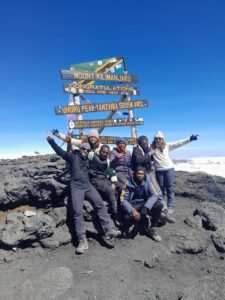
Kilimanjaro Altitude Sickness – Tips & Prevention Guide

Kilimanjaro Altitude Sickness – Tips & Prevention Guide
Introduction
Climbing Mount Kilimanjaro is an incredible adventure, but one of the biggest challenges trekkers face is altitude sickness. As you ascend to higher elevations, oxygen levels decrease, making it harder for your body to adjust. Understanding Kilimanjaro altitude sickness is essential for a safe and successful climb.
With proper preparation and guidance from Mangi Africa Tours and Safari Limited, climbers can reduce risks and improve their chances of reaching the summit. This guide explains the causes, symptoms, and prevention tips to help you enjoy your Kilimanjaro trekking experience safely.
What is Altitude Sickness?
Altitude sickness, also known as Acute Mountain Sickness (AMS), occurs when your body struggles to adapt to reduced oxygen levels at high altitudes. On Kilimanjaro, symptoms can begin at elevations above 2,500 meters.
Since the summit of Kilimanjaro reaches 5,895 meters, understanding and managing altitude sickness is crucial for all climbers.
Common Symptoms of Kilimanjaro Altitude Sickness
Recognizing symptoms early can prevent serious complications. Common signs include:
- Headache
- Nausea or vomiting
- Dizziness
- Fatigue
- Shortness of breath
- Loss of appetite
- Difficulty sleeping
Severe cases may lead to more serious conditions, requiring immediate descent.
Why Altitude Sickness Happens on Kilimanjaro
Several factors contribute to altitude sickness during your climb:
1. Rapid Ascent
Climbing too quickly without proper acclimatization increases the risk.
2. Low Oxygen Levels
At higher elevations, oxygen decreases significantly, making breathing more difficult.
3. Individual Differences
Each person reacts differently to altitude, regardless of fitness level or age.
How to Prevent Kilimanjaro Altitude Sickness
1. Choose a Longer Route
Routes like Lemosho or Machame allow more time for acclimatization, increasing success rates.
2. Climb Slowly
Follow the principle: “Pole pole” (slowly, slowly). Gradual ascent helps your body adapt.
3. Stay Hydrated
Drink 3–4 liters of water daily to support your body’s adjustment.
4. Eat Well
Maintain energy levels with regular meals, even if appetite decreases.
5. Take Acclimatization Days
Extra days on the mountain significantly reduce the risk of altitude sickness.
6. Listen to Your Guide
Professional guides from Mangi Africa Tours and Safari Limited monitor your health and advise when to rest or descend.
Importance of Professional Guidance
Climbing Kilimanjaro with experienced guides is critical for safety. Mangi Africa Tours and Safari Limited provides:
- Daily health monitoring
- Oxygen level checks
- Emergency response plans
- Experienced guides trained in altitude safety
Their expertise ensures you are well-supported throughout your trek.
Tips for a Safe and Successful Climb
- Train Before Your Trek to improve endurance
- Avoid Alcohol and Smoking before and during the climb
- Pack Proper Gear to stay warm and comfortable
- Rest When Needed and do not ignore symptoms
- Descend if Necessary—safety always comes first
Call to Action
Book now your Kilimanjaro trekking adventure with Mangi Africa Tours and Safari Limited and climb safely with expert guides who prioritize your health, comfort, and summit success! For more regulations and information are available in Tanzania National Parks
FAQ – Kilimanjaro Altitude Sickness
Q1: Can anyone get altitude sickness on Kilimanjaro?
A: Yes, altitude sickness can affect anyone regardless of fitness level or age.
Q2: How can I reduce my risk?
A: Climb slowly, stay hydrated, choose longer routes, and follow your guide’s advice.
Q3: Is altitude sickness dangerous?
A: It can be serious if ignored, but proper acclimatization and monitoring reduce risks significantly.
Q4: What happens if I get severe symptoms?
A: Immediate descent is required, and guides are trained to handle emergencies.