Shira Route Kilimanjaro – Scenic Trekking Guide


Shira Route Kilimanjaro – Scenic Trekking Guide
Introduction
The Shira Route Kilimanjaro is one of the most scenic and less crowded trekking paths to Mount Kilimanjaro. Starting from the western side of the mountain, it traverses high-altitude plains, dramatic cliffs, and volcanic landscapes, offering trekkers unique vistas and excellent acclimatization.
With professional guidance from Mangi Africa Tours and Safari Limited, climbers can enjoy a safe, organized, and unforgettable journey to the Roof of Africa.
Overview of the Shira Route
- Duration: 7–8 days
- Distance: ~70 km round trip
- Difficulty: Moderate
- Starting Point: Shira Gate (3,500 m)
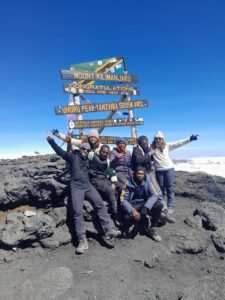
- Summit Point: Uhuru Peak (5,895 m)
The Shira Route is ideal for trekkers seeking scenic landscapes and gradual acclimatization.
Day-by-Day Shira Route Itinerary
Day 1: Shira Gate to Shira 1 Camp
- Distance: ~8 km
- Altitude Gain: 3,500 m → 3,750 m
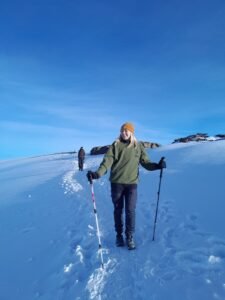
- Trek through volcanic terrain and open plains
- Stunning sunset views over Shira Plateau
Day 2: Shira 1 to Shira 2 Camp
- Distance: ~5 km
- Altitude Gain: 3,750 m → 3,840 m
- Optional acclimatization hikes
- Panoramic views of the western cliffs
Day 3: Shira 2 to Barranco Camp
- Distance: ~12 km
- Altitude Gain: 3,840 m → 3,960 m
- Traverse lava flows and moorland
- Prepare for Barranco Wall climb
Day 4: Barranco Camp to Karanga Camp
- Distance: ~5 km
- Altitude Gain: 3,960 m → 4,035 m
- Barranco Wall ascent, scenic photography opportunities
Day 5: Karanga Camp to Barafu Camp
- Distance: ~4 km
- Altitude Gain: 4,035 m → 4,640 m
- Rest and hydrate for summit attempt
Day 6: Summit Day – Barafu Camp to Uhuru Peak, then descend to Mweka Camp
- Distance: ~16 km
- Altitude Gain: 4,640 m → 5,895 m → 3,100 m
- Midnight departure for sunrise at Uhuru Peak
- Descend to Mweka Camp
Day 7: Mweka Camp to Mweka Gate
- Distance: ~10 km
- Return through rainforest
- Collect certificates and celebrate your achievement
Why Choose the Shira Route
- High Scenic Value: Dramatic volcanic landscapes and plateaus
- Gradual Acclimatization: Increases summit success rate
- Less Crowded: Quiet, remote trekking experience
- Photogenic Views: Unique angles of Kibo and Mawenzi peaks
Challenges of the Shira Route
- Higher starting elevation → may cause altitude sickness
- Limited hut facilities compared to Marangu Route
- Moderate to difficult for beginners
With professional guidance and acclimatization strategies, climbers can safely overcome these challenges.
Importance of Choosing a Licensed Trek Operator
Climbing Kilimanjaro requires adherence to safety and park regulations. According to Tanzania National Parks Authority, all climbers must use licensed guides to ensure both safety and environmental protection.
Booking with Mangi Africa Tours and Safari Limited ensures:
- Experienced guides and porters
- Compliance with all TANAPA regulations
- Efficient logistics and high-quality service
Tips for a Successful Shira Trek
- Acclimatize Properly: Take your time on higher elevation days
- Stay Hydrated: Drink water frequently
- Pack Correct Gear: Warm clothing, trekking poles, boots
- Follow Guide Instructions: Critical for safety and success
- Take Photos: Unique landscapes offer amazing photography
Why Book with Mangi Africa Tours and Safari Limited
Booking with Mangi Africa Tours and Safari Limited ensures:
- Professional high-altitude trekking guides
- Personalized and safe itineraries
- Focus on comfort, safety, and summit success
- Full support from start to finish
Call to Action
Book now your Shira Route Kilimanjaro trek today with Mangi Africa Tours and Safari Limited and explore one of the most scenic and rewarding routes to the summit of Africa’s highest mountain! For further information are available at Tanzania National Parks
FAQ – Shira Route Kilimanjaro
Q1: Is the Shira Route suitable for beginners?
A: Moderate experience recommended; gradual acclimatization helps beginners succeed.
Q2: How long is the Shira Route trek?
A: Typically 7–8 days for safe acclimatization.
Q3: Are there huts or tents on this route?
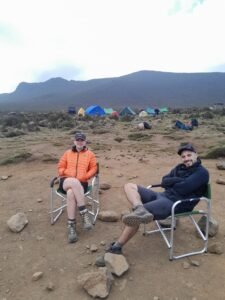
A: Mostly tents; it is a wilderness trekking route.
Q4: What is the best season for Shira Route?
A: January–March and June–October for dry conditions and clear skies.