Mount Kilimanjaro FAQ

Mount Kilimanjaro FAQ
Mount Kilimanjaro is Africa’s highest mountain, rising to 5,895 metres above sea level in northern Tanzania. It is the world’s highest free-standing mountain and can be climbed without technical mountaineering skills on the standard routes. The main challenge is altitude, so choosing an appropriate route, allowing enough days for acclimatization, preparing properly, and trekking with qualified mountain guides are important. Most routes take between 5 and 9 days, with Lemosho, Machame, Marangu, Rongai, Northern Circuit and Umbwe among the main routes.
General Questions
1. What is Mount Kilimanjaro?
Mount Kilimanjaro is Africa’s highest mountain, standing at 5,895 meters (19,341 feet) above sea level. Located in northern Tanzania, it is the world’s tallest free-standing mountain and one of the most famous trekking destinations. Unlike many high mountains, reaching the summit does not require technical climbing, making it accessible to many hikers with proper preparation and support.
2. Where is Mount Kilimanjaro located?
Mount Kilimanjaro is located in Kilimanjaro National Park, in northeastern Tanzania, close to the Kenyan border. The nearest airport is Kilimanjaro International Airport (JRO), making it easy for international travelers to begin their adventure.
3. How high is Mount Kilimanjaro?
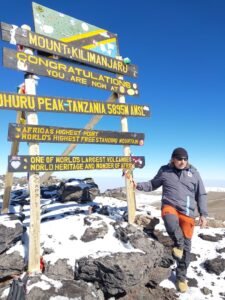
Mount Kilimanjaro rises to 5,895 meters (19,341 feet) above sea level. Its highest point is Uhuru Peak, located on the Kibo volcanic cone. Reaching Uhuru Peak is the main goal for most climbers.
4. Is Mount Kilimanjaro difficult to climb?
Climbing Kilimanjaro is physically demanding but does not require technical mountaineering skills. The biggest challenge is altitude, not steep climbing. With good preparation, the right route, proper acclimatization, and experienced guides, many trekkers successfully reach the summit.
5. Can beginners climb Mount Kilimanjaro?
Yes. Many first-time trekkers successfully climb Kilimanjaro every year. A reasonable level of fitness, determination, and choosing a route with good acclimatization are more important than previous mountain climbing experience.
6. Do I need climbing experience?
No previous climbing experience is required. However, regular walking, hiking, or cardiovascular exercise before your trip will improve your chances of enjoying the climb and reaching the summit.
7. How many days does it take to climb Mount Kilimanjaro?
Most climbs take between 5 and 9 days, depending on the route. Longer routes allow better acclimatization and generally offer higher summit success rates.
8. What is the best route to climb Mount Kilimanjaro?
Each route offers a different experience:
- Lemosho Route: Excellent scenery and acclimatization.
- Machame Route: Popular with beautiful landscapes.
- Marangu Route: Hut accommodation instead of camping.
- Rongai Route: Quieter and approaches from the north.
- Northern Circuit: Longest route with excellent acclimatization.
- Umbwe Route: Steep and challenging.
The best route depends on your fitness, available time, and preferences.
9. Which Kilimanjaro route has the highest summit success rate?
Longer routes with gradual altitude gain generally have higher success rates because they provide more time for acclimatization. Routes such as the Northern Circuit and Lemosho are widely chosen by climbers seeking the best chance of reaching Uhuru Peak.
10. What is the easiest Kilimanjaro route?
No route is truly easy because all reach nearly 6,000 meters. However, routes with better acclimatization profiles are often considered more manageable for many trekkers.
Kilimanjaro Routes Compared
| Route | Typical Duration | Main Characteristic | Best For |
|---|---|---|---|
| Lemosho | 7–8 days | Scenic, gradual ascent | Acclimatization and scenery |
| Machame | 6–7 days | Scenic and popular | Experienced or reasonably fit trekkers |
| Marangu | 5–6 days | Hut accommodation | Travellers wanting a more established route |
| Northern Circuit | 8–9 days | Longer and quieter | Maximum acclimatization and solitude |
| Rongai | 6–7 days | Northern approach | A quieter alternative |
| Umbwe | 6–7 days | Steep and challenging | Experienced trekkers |
Route duration can vary by itinerary. A longer climb generally provides more time for acclimatization, but no route or operator can guarantee a successful summit.
Which Kilimanjaro Route Should I Choose?
For most first-time trekkers, the best route is not necessarily the shortest or cheapest route. Lemosho and Machame are popular because they offer varied scenery and reasonable acclimatization profiles. Northern Circuit provides more time on the mountain and a quieter experience. Marangu offers hut accommodation, while Umbwe is steeper and more demanding. The right route depends on fitness, available time, budget, preferred accommodation, scenery and acclimatization needs.
Fitness & Preparation
11. How fit do I need to be?
A good level of cardiovascular fitness is recommended. Training with regular hiking, walking, cycling, swimming, or jogging several weeks before your climb can help prepare your body for the trek.
12. How should I train for Kilimanjaro?
Training should include:
- Long walks
- Hill climbing
- Stair climbing
- Strength exercises
- Endurance workouts
Training consistently before your trip can improve comfort during the climb.
13. What should I pack?
Essential items include:
- Waterproof hiking boots
- Warm clothing
- Down jacket
- Sleeping bag
- Trekking poles
- Headlamp
- Gloves
- Hat
- Rain gear
- Thermal clothing
Packing appropriately helps you stay comfortable in changing mountain conditions.
14. What kind of boots are recommended?
Comfortable, waterproof hiking boots with ankle support are recommended. They should be well broken in before your trip to help reduce the risk of blisters.
15. What clothing should I bring?
Clothing should allow for layering because temperatures change significantly from the rainforest to the summit. Moisture-wicking base layers, insulating mid-layers, and waterproof outer layers work well.
16. Do I need trekking poles?
Trekking poles are highly recommended because they can improve balance, reduce strain on your knees, and provide additional stability during ascents and descents.
17. Should I rent or buy equipment?
Many essential items can be rented from reputable operators. If you already own high-quality hiking gear that fits well, bringing your own equipment is often more comfortable.
18. How cold does it get?
Temperatures near the summit can fall well below freezing, especially during the night summit attempt. Warm clothing and proper layering are essential.
19. Can I climb during the rainy season?
Yes, climbing is possible throughout the year, but rainy seasons can bring muddy trails and reduced visibility. Many climbers prefer drier months for more stable weather.
20. What is the best time to climb Kilimanjaro?
Popular climbing seasons generally coincide with drier weather. Conditions vary throughout the year, so the best time depends on your priorities, such as weather, crowd levels, and photography opportunities.
Mount Kilimanjaro FAQs – Health & Safety (Questions 21–30)
These FAQs are written to help travelers understand the health and safety aspects of climbing Kilimanjaro. They are informative and avoid making guarantees or replacing medical advice.
21. What is altitude sickness?
Altitude sickness, also called Acute Mountain Sickness (AMS), occurs when your body has difficulty adjusting to lower oxygen levels at higher elevations. Because Mount Kilimanjaro reaches 5,895 meters (19,341 feet), some climbers may experience mild symptoms as they gain altitude.
Common symptoms include:
- Headache
- Fatigue
- Dizziness
- Nausea
- Loss of appetite
- Difficulty sleeping
Experiencing mild symptoms does not necessarily mean you must stop climbing, but they should always be reported to your guide. Serious symptoms require immediate attention, and the safest response may be to descend. Choosing a longer route with better acclimatization can help reduce the risk.
22. How can I reduce the risk of altitude sickness?
While altitude sickness cannot be completely prevented, several practices may lower your risk:
- Choose a 7- or 8-day route to allow more time for acclimatization.
- Walk at a slow, steady pace.
- Drink plenty of water throughout the climb.
- Eat regular meals, even if your appetite decreases.
- Avoid alcohol before and during the trek.
- Get adequate rest each night.
- Inform your guide immediately if you develop symptoms.
Experienced guides monitor climbers throughout the trek and adjust the pace when appropriate. A gradual ascent is one of the most effective ways to help your body adapt.
23. Should I take altitude medication?
Some climbers choose to use medications such as acetazolamide (Diamox) to help reduce the risk of altitude sickness. Whether it is appropriate depends on your medical history and should be discussed with your doctor or a qualified travel health professional before your trip.
Medication should never be used as a substitute for proper acclimatization, hydration, and following your guide’s instructions.
24. How much water should I drink while climbing Kilimanjaro?
Staying hydrated is an important part of climbing safely. Many guides encourage climbers to drink around 3–4 liters of water per day, although individual needs vary depending on weather, activity level, and personal health.
Signs that you may not be drinking enough include:
- Dark-colored urine
- Dry mouth
- Headache
- Fatigue
Your guide will often remind you to drink regularly, even if you do not feel thirsty.
25. Is Mount Kilimanjaro safe?
Yes, Mount Kilimanjaro is considered a safe trekking destination when climbed with a licensed operator and experienced guides. The main risks are related to altitude, weather, and physical exertion rather than technical climbing.
To improve your safety:
- Choose a reputable operator.
- Follow your guide’s instructions.
- Stay hydrated.
- Dress appropriately for changing temperatures.
- Report any symptoms or concerns promptly.
Good preparation and responsible decision-making are key to a safe climb.
26. Are emergency rescue services available on Kilimanjaro?
Yes. Kilimanjaro National Park has emergency procedures for climbers who become ill or injured. Depending on the situation, evacuation may involve park rescue teams, stretchers, or vehicles where access is possible.
Emergency helicopter services may also be available through specialized providers, but they generally require appropriate insurance coverage and are subject to weather and operational conditions.
Travel insurance that covers high-altitude trekking and emergency evacuation is strongly recommended.
27. What happens if I cannot reach the summit?
Not every climber reaches Uhuru Peak, often because of altitude-related symptoms or other health concerns. If continuing would not be safe, your guide may recommend descending.
Although reaching the summit is a rewarding achievement, your health and safety always come first. Many travelers still value the experience of trekking through Kilimanjaro’s unique landscapes, even if they do not reach the highest point.
28. Do Kilimanjaro guides monitor my health?
Yes. Professional Kilimanjaro guides regularly observe climbers for signs of altitude-related illness and overall wellbeing throughout the trek.
Depending on the operator’s procedures, guides may:
- Ask about symptoms each day.
- Check your general condition.
- Encourage proper hydration and nutrition.
- Recommend rest or descent if necessary.
Open communication with your guide is essential for a safe climbing experience.
29. Can older travelers climb Mount Kilimanjaro?
Yes. Many older adults successfully climb Kilimanjaro each year. Success depends more on overall fitness, preparation, and health than on age alone.
If you have any existing medical conditions, consult your doctor before booking. Choosing a longer route with more time for acclimatization can also improve comfort during the climb.
30. Can teenagers climb Mount Kilimanjaro?
Yes. Teenagers who meet the park’s minimum age requirement and are physically prepared may climb Kilimanjaro. Families should ensure that young climbers understand the physical demands of the trek and are comfortable with several days of hiking.
A private climb can be a good option for families, as it allows the pace to be adjusted to suit the group.
Kilimanjaro Health and Safety: What Trekkers Should Know
Altitude is the main physical challenge on Mount Kilimanjaro. Even healthy and physically fit travellers can experience altitude-related symptoms because the body needs time to adapt to lower oxygen levels at high elevation.
To reduce risk, trekkers should choose an itinerary with sufficient acclimatization time, walk at a controlled pace, stay hydrated, eat adequately, sleep as well as possible and communicate symptoms to their guide immediately. Severe or worsening symptoms may require descent.
Kilimanjaro can be trekked safely by properly prepared travellers using responsible trekking practices, but no operator can guarantee a risk-free climb or a successful summit. Travellers should have appropriate travel insurance that covers high-altitude trekking and emergency evacuation and should seek medical advice if they have relevant health concerns.
31. How much does it cost to climb Mount Kilimanjaro?
The cost of climbing Mount Kilimanjaro depends on several factors, including the route you choose, the number of trekking days, your group size, the type of accommodation before and after the climb, and the level of service provided.
A Kilimanjaro package generally includes park fees, professional mountain guides, assistant guides, porters, cooks, camping equipment or hut accommodation (depending on the route), meals on the mountain, and transportation to and from the park gate.
While choosing the lowest price may seem attractive, it’s important to consider the quality of the service, the experience of the guides, proper porter treatment, safety standards, and the operator’s reputation. A well-organized expedition can make a significant difference to your overall experience.
At Mangi Africa Tours and Safaris, we offer customized Kilimanjaro climbing packages designed to match different travel styles while maintaining a strong focus on safety, comfort, and responsible trekking practices.
How Much Does It Cost to Climb Mount Kilimanjaro in 2026?
Kilimanjaro climbing prices vary according to route, number of days, group size, accommodation, park fees, guide and porter services, transfers and the level of service provided. As a general planning guide, travellers may encounter the following indicative ranges:
| Trek Style | Indicative Price Per Person |
|---|---|
| Budget/group climb | US$1,500–US$2,200 |
| Mid-range/private climb | US$2,000–US$3,500 |
| Premium/private climb | US$3,500–US$5,000+ |
These are planning ranges rather than fixed prices. The final cost should be confirmed according to the selected route, dates, group size, accommodation and services included in the package.
32. What is included in a Mount Kilimanjaro climbing package?
Most Kilimanjaro climbing packages include everything required for the mountain expedition.
Typical inclusions are:
- Kilimanjaro National Park entrance fees
- Professional mountain guides
- Assistant guides
- Experienced mountain porters
- Mountain chef and cooking team
- All meals during the climb
- Drinking water prepared according to the operator’s procedures
- Camping equipment or mountain hut accommodation (depending on the route)
- Dining tent and camping furniture where applicable
- Transportation between your hotel and the park gate
- Rescue fees required by the park
- Summit certificate for successful climbers
Accommodation before and after the climb may also be included, depending on the package you choose.
What Is Usually Included in a Kilimanjaro Climbing Package?
A properly organized Kilimanjaro climbing package commonly includes:
- Kilimanjaro National Park fees
- Professional mountain guide
- Assistant guides where required
- Porters
- Mountain meals
- Drinking water
- Camping equipment or mountain huts, depending on the route
- Dining and sleeping arrangements where applicable
- Park and rescue-related fees included by the operator
- Airport or hotel transfers where stated
- Summit certificate after successful completion
Travellers should check the written quotation carefully because inclusions differ between operators. International flights, Tanzania visas, travel insurance, personal trekking equipment, personal medication, tips, alcoholic drinks and expenses outside the agreed itinerary are commonly excluded.
33. Do I need a guide to climb Mount Kilimanjaro?
Yes.
Kilimanjaro National Park regulations require all climbers to be accompanied by a licensed mountain guide. Independent climbing is not permitted.
Professional guides play an important role throughout your trek by:
- Leading the route
- Monitoring your health and wellbeing
- Managing altitude acclimatization
- Coordinating the mountain crew
- Providing safety guidance
- Offering local knowledge about the mountain
Their experience helps ensure that climbers have a safer and more enjoyable journey.
34. Why are porters important on Kilimanjaro?
Porters are an essential part of every Kilimanjaro expedition.
They carry camping equipment, food supplies, tents, cooking equipment, and much of the luggage, allowing climbers to hike with only a small daypack containing personal essentials.
Porters also help with:
- Camp preparation
- Tent setup
- Meal assistance
- Water collection
- Camp organization
Their hard work contributes significantly to the success of every climb. Responsible tour operators are committed to fair treatment, proper equipment, and ethical working conditions for their mountain crews.
35. Can I combine Mount Kilimanjaro with a Tanzania safari?
Absolutely.
Many travelers choose to celebrate their summit by continuing with a wildlife safari. Popular combinations include:
- Mount Kilimanjaro + Serengeti National Park
- Mount Kilimanjaro + Ngorongoro Crater
- Mount Kilimanjaro + Tarangire National Park
- Mount Kilimanjaro + Lake Manyara National Park
A combined itinerary allows you to experience both Africa’s highest mountain and Tanzania’s famous wildlife in one holiday.
36. Can I visit Zanzibar after climbing Kilimanjaro?
Yes.
A Kilimanjaro climb followed by a Zanzibar beach holiday is one of Tanzania’s most popular travel combinations.
After several days on the mountain, many travelers enjoy relaxing on Zanzibar’s white-sand beaches while experiencing:
- Snorkeling
- Scuba diving
- Spice tours
- Stone Town
- Sunset cruises
- Luxury beach resorts
- Local Swahili culture
This combination offers both adventure and relaxation within one journey.
37. Which airport should I fly into for Mount Kilimanjaro?
The best airport for Kilimanjaro climbers is:
Kilimanjaro International Airport (JRO)
The airport is conveniently located between Arusha and Moshi, making it the main gateway for climbers beginning their expedition.
Many international travelers also connect through:
- Dar es Salaam
- Nairobi
- Doha
- Istanbul
- Addis Ababa
- Amsterdam
Depending on your itinerary and airline, your travel route may include one or more connections before arriving at JRO.
38. How do I book my Mount Kilimanjaro climb?
Booking your climb is straightforward.
- Contact our team with your preferred travel dates.
- Choose your preferred Kilimanjaro route.
- Receive a customized itinerary and quotation.
- Confirm your booking according to the agreed process.
- Receive your travel documents and preparation information.
- Arrive in Tanzania, where our team will assist you from airport pickup through your mountain adventure.
We also provide guidance before your trip to help you prepare for the climb.
Responsible and Ethical Kilimanjaro Trekking
Choosing a Kilimanjaro operator is not only about price. Responsible trekking should include fair treatment of mountain guides and porters, appropriate equipment, reasonable working conditions, adequate food and accommodation, safe porter loads and respect for the mountain environment. Travellers should ask what an operator does to protect its trekking teams and minimize environmental impact before booking.
39. Why choose Mangi Africa Tours and Safaris for your Kilimanjaro climb?
Mangi Africa Tours and Safaris is a proudly Tanzanian-owned tour operator specializing in Mount Kilimanjaro trekking, wildlife safaris, and Zanzibar beach holidays.
When you climb with us, you benefit from:
- Professional local mountain guides
- Carefully planned itineraries
- Personalized customer service
- Well-organized mountain logistics
- Safety-focused operations
- Experienced support teams
- Flexible travel packages
- Opportunities to combine Kilimanjaro with safari or Zanzibar holidays
As a local company, we are committed to sharing Tanzania’s natural beauty while providing a memorable and well-organized travel experience.
40. How can I contact Mangi Africa Tours and Safaris?
Planning your Kilimanjaro adventure is easy.
Our team is happy to assist with:
- Route recommendations
- Customized itineraries
- Group and private climbs
- Equipment advice
- Safari combinations
- Zanzibar extensions
- Airport transfers
- General travel planning
Local Kilimanjaro Expertise
Mangi Africa Tours & Safari Limited is a locally based Tanzanian tour operator working from Arusha, the main tourism hub for Kilimanjaro and northern Tanzania. Our team helps travellers plan Kilimanjaro climbs by considering route selection, acclimatization, trekking duration, equipment, mountain logistics and connections with Tanzania safari and Zanzibar holidays.
For travellers comparing Kilimanjaro operators, we recommend looking beyond the advertised price and checking the operator’s local presence, guide experience, safety procedures, porter practices, reviews, inclusions and communication before booking.
About the Author
Fredrick Mushi is the Managing Director of Mangi Africa Tours & Safari Limited, a locally based Tanzanian tour company in Arusha. His work involves helping travellers plan Tanzania safari, Kilimanjaro trekking and Zanzibar experiences, with a focus on practical trip planning, local logistics and tailor-made travel.
More Questions Travellers Ask About Mount Kilimanjaro
How many days does it take to climb Kilimanjaro?
Most Kilimanjaro itineraries take approximately 5–9 days, depending on the route and acclimatization plan. Longer itineraries generally allow more time for the body to adjust to altitude.
Can I climb Kilimanjaro without mountaineering experience?
Yes. Standard Kilimanjaro routes do not require technical mountaineering experience. However, good preparation, appropriate equipment, qualified guides and proper acclimatization are important.
What is the best Kilimanjaro route for beginners?
There is no single best route for every beginner. Lemosho and Machame are commonly considered attractive options because of their scenery and gradual route profiles, while Northern Circuit provides a longer itinerary with additional acclimatization time.
Can I combine Kilimanjaro with a Tanzania safari?
Yes. Kilimanjaro can be combined with a northern Tanzania safari visiting destinations such as Tarangire, Ngorongoro and Serengeti.
Can I combine Kilimanjaro with Zanzibar?
Yes. Many travellers combine their mountain trek with a Tanzania safari and then continue to Zanzibar for beaches, Stone Town and cultural experiences.
What happens during summit night?
On many routes, the final summit attempt begins during the night or very early morning. Trekkers ascend slowly toward Uhuru Peak, Africa’s highest point, before descending to lower elevation after reaching the summit or turning back when necessary.
Mount Kilimanjaro: Quick Facts for Travellers
| Fact | Information |
|---|---|
| Country | Tanzania |
| Location | Northern Tanzania |
| Height | 5,895 metres |
| Highest point | Uhuru Peak |
| National Park | Kilimanjaro National Park |
| Continent | Africa |
| Main challenge | Altitude |
| Technical climbing required? | No, on standard trekking routes |
| Typical duration | 5–9 days |
| Main routes | Lemosho, Machame, Marangu, Rongai, Northern Circuit, Umbwe |
| Main gateway | Kilimanjaro International Airport (JRO) |
About This Kilimanjaro FAQ
This guide is designed to answer common questions travellers ask before planning a Mount Kilimanjaro trek. Route durations, park regulations, fees, availability and other operational details can change, so travellers should confirm current conditions and prices before booking. Cost figures in this guide are indicative planning ranges rather than fixed quotations.
Simply contact us through our website, email, or WhatsApp to discuss your travel plans. We’ll work with you to design an itinerary that matches your schedule, budget, and climbing goals.