Tanzania Safari FAQs

Tanzania Safari FAQs
1. What is the best time to go on safari in Tanzania?
Tanzania is a year-round safari destination, but the best time depends on what you want to experience. The dry season from June to October is excellent for wildlife viewing because animals gather around water sources and vegetation is thinner. The months of January to March are also wonderful, especially for the calving season in the Serengeti.
At Mangi Africa Tours and Safaris, we help travelers choose the best travel period based on their interests, whether it is the Great Migration, Big Five sightings, photography, family travel, or a private luxury safari.
2. How many days do I need for a Tanzania safari?
The ideal safari duration depends on your destinations and travel style.
3–4 days: Good for visitors with limited time, focusing on nearby parks such as Tarangire, Lake Manyara, and Ngorongoro.
5–7 days: Perfect for experiencing multiple parks including Serengeti and Ngorongoro Crater.
8–10+ days: Recommended for travelers who want a deeper wildlife experience, including remote areas and the Great Migration.
A longer safari gives you more opportunities to explore different ecosystems and observe wildlife behavior.
3. How much does a Tanzania safari cost?
The cost of a Tanzania safari depends on:
Number of days
Type of accommodation
Private or group safari
Season of travel
Number of travelers
Parks visited
A private Tanzania safari can range from budget camping experiences to luxury lodge safaris. At Mangi Africa Tours and Safaris, we create customized safari packages based on each traveler’s budget and expectations.
4. Is Tanzania the best country for an African safari?
Tanzania is one of Africa’s top safari destinations because it offers:
Serengeti National Park and the Great Migration
Ngorongoro Crater, home to abundant wildlife
Tarangire National Park with large elephant populations
Mount Kilimanjaro
Zanzibar beaches
The combination of wildlife, landscapes, culture, and beach holidays makes Tanzania ideal for travelers looking for a complete African adventure.
5. What animals can I see on a Tanzania safari?
Tanzania is home to incredible wildlife, including:
Lions
Elephants
Leopards
Buffalo
Rhinos
Cheetahs
Giraffes
Zebras
Wildebeest
Hippos
Crocodiles
Many bird species
Your chances of seeing wildlife depend on the park, season, and length of your safari.
6. Is Tanzania safari good for first-time visitors to Africa?
Yes. Tanzania is an excellent choice for first-time African travelers because it offers:
Reliable safari infrastructure
Experienced local guides
Famous national parks
Many accommodation options
Easy combinations with Zanzibar beach holidays
Many visitors choose Tanzania as their first safari destination because it provides a complete and unforgettable experience.
7. What is the Great Migration in Tanzania?
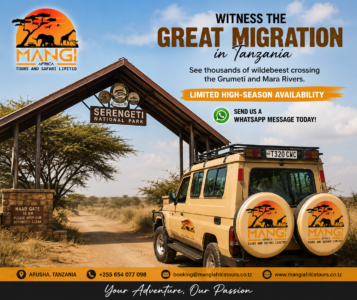
The Great Migration is one of the world’s most spectacular wildlife events, involving millions of wildebeest, zebras, and other animals moving across the Serengeti ecosystem in search of fresh grass and water.
The experience changes throughout the year:
Calving season: January–March
Western Serengeti crossings: around May–July
Northern Serengeti and river crossings: around July–October
8. Which national parks should I visit in Tanzania?
The most popular parks include:
Serengeti National Park
Great Migration
Big Five
Endless plains
Ngorongoro Crater
High wildlife concentration
Unique volcanic landscape
Tarangire National Park
Large elephant herds
Ancient baobab trees
Lake Manyara National Park
Birdlife
Tree-climbing lions
Arusha National Park
Perfect for short trips
9. Can I combine Tanzania safari with Zanzibar?
Yes. A safari and Zanzibar combination is one of the most popular Tanzania holidays.
A typical itinerary:
Days 1–5: Serengeti, Ngorongoro, Tarangire safari
Days 6–10: Zanzibar beach relaxation
Travelers can enjoy wildlife adventures followed by tropical beaches, snorkeling, and cultural experiences.
10. Why should I choose a local Tanzanian safari company?
Booking with a local operator provides:
Local knowledge
Direct communication
Personalized itineraries
Support from experienced guides
Better understanding of destinations
Mangi Africa Tours and Safaris is a locally operated Tanzanian company specializing in private safaris, Kilimanjaro trekking, and Zanzibar holidays.
I will continue with Part 2: Tanzania Safari FAQs (Questions 11–25) next, covering:
Safari vehicles
Accommodation
Food
Safety
Children on safari
Photography
Solo travelers
Private vs group safari
Luxury safari questions
These FAQs can later be uploaded to your website as SEO content.
11. What type of vehicle is used on a Tanzania safari?
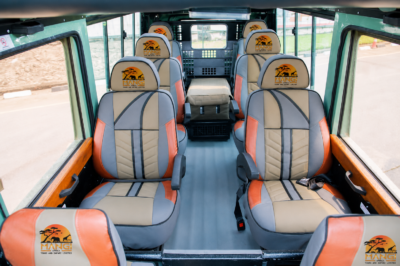
Most Tanzania safaris use specially designed 4×4 safari vehicles, usually Toyota Land Cruiser vehicles with:
Large viewing windows
Pop-up roof for wildlife viewing and photography
Comfortable seats
Charging ports for devices
Drinking water storage
Space for luggage
At Mangi Africa Tours and Safaris, we use comfortable safari vehicles operated by professional local guides who understand wildlife behavior and the national parks.
12. Are Tanzania safaris private or shared with other travelers?
Tanzania safaris can be arranged in different ways:
Private Safari
Your own vehicle and guide
Flexible itinerary
More privacy
Ideal for families, couples, honeymooners, and photographers
Group Safari
Shared vehicle with other travelers
More affordable
Good for solo travelers and budget-conscious visitors
At Mangi Africa Tours and Safaris, we specialize in personalized private safari experiences but can also arrange group options.
13. What accommodation is available during a Tanzania safari?
Tanzania offers different accommodation styles:
Budget
Campsites
Basic lodges
Mid-range
Comfortable safari lodges
Permanent tented camps
Luxury
High-end lodges
Luxury tented camps
Exclusive safari experiences
The best option depends on your budget, comfort level, and the type of experience you want.
14. Do I sleep in tents during a Tanzania safari?
Yes, but safari tents are very different from normal camping tents.
Many safari camps provide:
Real beds
Private bathrooms
Hot showers
Electricity
Restaurant areas
Comfortable furnishings
Luxury tented camps allow travelers to experience nature while still enjoying comfort.
15. What food is provided during a Tanzania safari?
Safari meals usually include a variety of international and local dishes such as:
Breakfast
Lunch
Dinner
Vegetarian options
Fresh fruits
Snacks
Drinking water
Special dietary requirements such as vegetarian, vegan, gluten-free, or allergies can usually be arranged when informed before arrival.
16. Is it safe to go on a Tanzania safari?
Yes, Tanzania is considered one of Africa’s leading safari destinations.
For a safe experience:
Follow your guide’s instructions
Do not approach wild animals
Stay inside designated areas
Choose a reliable tour operator
At Mangi Africa Tours and Safaris, guest safety and comfort are among our highest priorities from arrival until departure.
17. Can children join a Tanzania safari?
Yes. Tanzania is an excellent destination for family safaris.
Family safaris can be customized with:
Shorter driving distances
Child-friendly lodges
Flexible schedules
Educational wildlife experiences
We help families choose suitable parks and accommodations depending on children’s ages.
18. Is Tanzania safari suitable for elderly travelers?
Yes. Many older travelers enjoy Tanzania safaris.
A comfortable safari can include:
Shorter travel distances
Comfortable lodges
More rest time
Private vehicles
Flexible schedules
We recommend discussing mobility needs before travel so the itinerary can be designed comfortably.
19. Can solo travelers join a Tanzania safari?
Yes. Solo travelers have several options:
Join a small group safari
Book a private safari
Meet other travelers through scheduled departures
A private safari is ideal for travelers who want complete flexibility and personal attention.
20. What should I pack for a Tanzania safari?
Essential items include:
Lightweight clothing
Comfortable walking shoes
Hat and sunglasses
Sunscreen
Camera equipment
Binoculars
Personal medication
Insect repellent
Light jacket for cool mornings and evenings
Neutral-colored clothing is recommended because it is comfortable and suitable for wildlife viewing.
21. Do I need binoculars for a Tanzania safari?
Binoculars are highly recommended.
They help you:
See animals from a distance
Observe birds
Watch wildlife behavior
Improve photography experiences
Many experienced safari travelers consider binoculars one of the most valuable items to bring.
22. What camera equipment should I bring on safari?
For wildlife photography, travelers often bring:
Camera with zoom lens
Extra batteries
Memory cards
Power bank
Protective camera bag
However, modern smartphones can also capture excellent safari photos, especially during close wildlife encounters.
23. How close can I get to wild animals during a safari?
Your safari guide follows park rules and keeps a safe distance from animals.
Wildlife viewing depends on:
Animal location
Park regulations
Animal behavior
Road conditions
Experienced guides know how to position the vehicle safely for excellent viewing opportunities.
24. Will I see the Big Five on a Tanzania safari?
Tanzania is one of the best places in Africa to search for the Big Five:
Lion
Elephant
Leopard
Buffalo
Rhino
However, wildlife is free-roaming, so sightings cannot be guaranteed. Longer safaris increase your chances of seeing more species.
25. What is the difference between a budget, mid-range, and luxury safari?
Budget Safari
Affordable camping or basic accommodation
Suitable for adventure travelers
Mid-range Safari
Comfortable lodges and tented camps
Good balance between price and comfort
Luxury Safari
Premium lodges
Exclusive experiences
Higher levels of service
Mangi Africa Tours and Safaris can design safaris across different budgets while maintaining quality and safety