Best Time for Serengeti Safari 2026: Following the Rhythm of the Wild

Best Time for Serengeti Safari 2026: Following the Rhythm of the Wild
The Serengeti changes every month.
Not dramatically all at once.
Not like flipping a switch.
The changes arrive slowly:
through rainfall,
through grass height,
through migration movement,
through the shifting behavior of predators following millions of hooves across the plains.
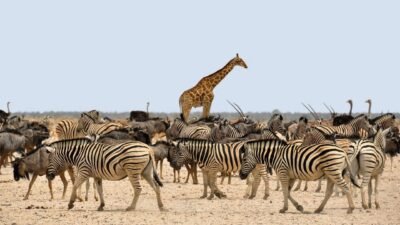
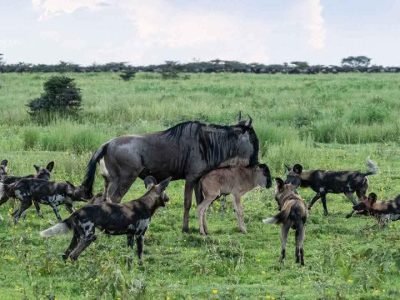
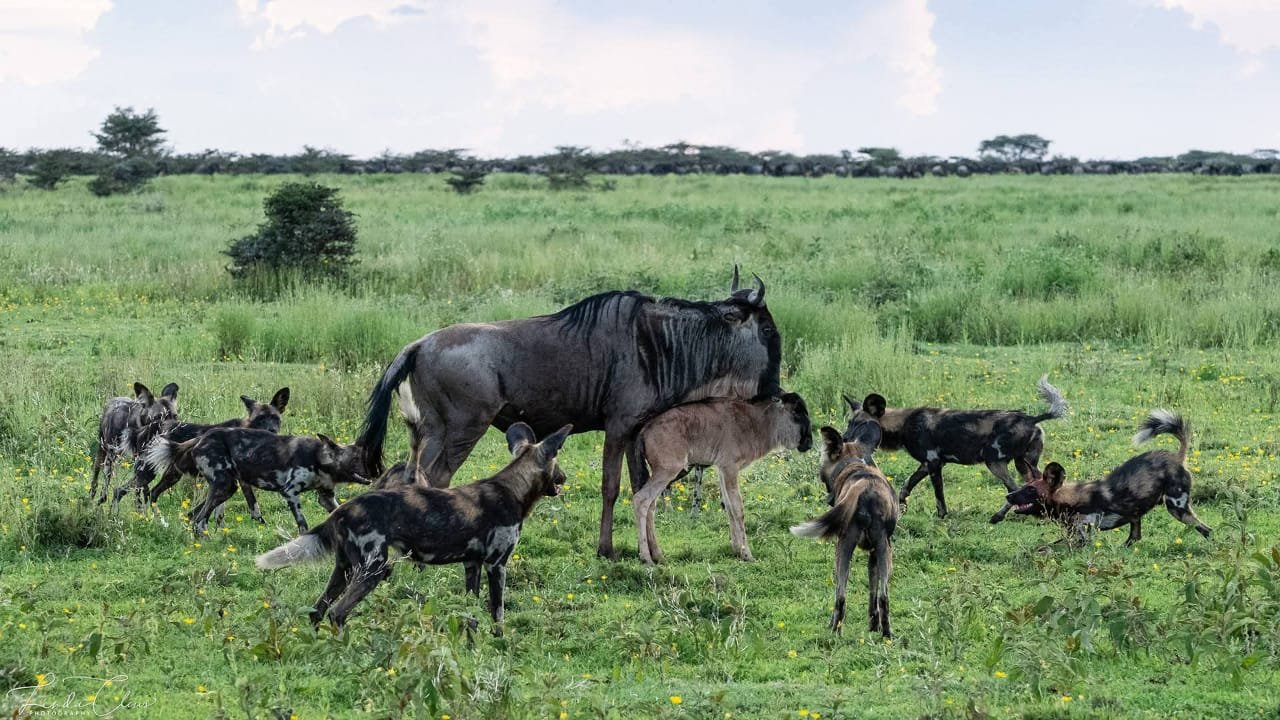
One month the southern grasslands glow green beneath storm clouds while thousands of wildebeest calves struggle to stand for the first time.
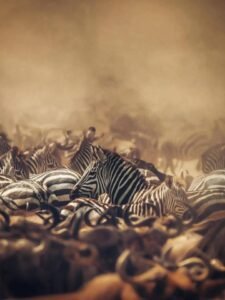
A few months later, dust dominates the horizon as migration herds move north toward dangerous river crossings.
Then eventually, the rains return again.
And the entire wilderness begins another cycle.
That is why asking about the “best time” for a Serengeti safari is not always simple.
Because the Serengeti is never truly static.
Every season carries a different emotional atmosphere.
Different light.
Different wildlife behavior.
Different sounds at night.
Some travellers dream of dramatic migration crossings.
Others want quieter camps and softer green landscapes.
Some hope for predator action.
Others simply want to feel immersed in the vast silence of East Africa.
And the truth is:
the Serengeti can offer all of it.
But timing shapes the experience profoundly.
Trusted by travelers worldwide, Mangi Africa Tours and Safaris Limited continues to receive outstanding reviews on Tripadvisor and TourHQ for unforgettable Tanzania safari experiences.
Understanding the Serengeti’s Natural Rhythm
The Serengeti ecosystem follows movement.
Rain creates grass.
Grass feeds wildebeest.
Wildebeest attract predators.
Everything connects.
And because rainfall patterns influence the Great Migration, wildlife movement shifts throughout the year rather than following exact calendar dates.
Experienced safari guides never promise perfect certainty.
The wilderness remains wild.
That unpredictability is part of what keeps the Serengeti authentic.
Still, seasonal patterns help travellers choose the kind of safari atmosphere they want most in 2026.
The Serengeti Through the Seasons
| Season | Atmosphere | Best For |
|---|---|---|
| January – March | Green season & calving | Predator action, baby animals |
| April – May | Long rains & dramatic skies | Quiet safaris, photography |
| June – July | Dry season begins | Migration movement |
| August – October | River crossing season | Great Migration drama |
| November – December | Short rains & fresh landscapes | Fewer crowds, green scenery |
Each season reveals a different Serengeti.
January to March: Calving Season in the Southern Serengeti
This period feels alive with new beginnings.
The southern Serengeti plains and Ndutu region become intensely green after seasonal rains, attracting enormous migration herds searching for fresh grass.
Then the calving begins.
Hundreds of thousands of wildebeest calves are born within a remarkably short window.
The plains fill with movement:
newborn animals struggling upright,
mothers calling softly,
predators watching constantly nearby.
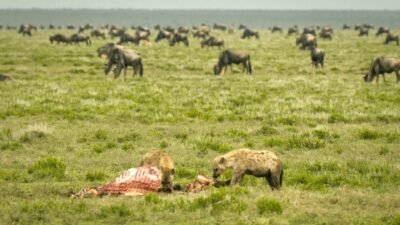
For photographers and wildlife lovers, this season feels extraordinary because predator activity becomes intense.
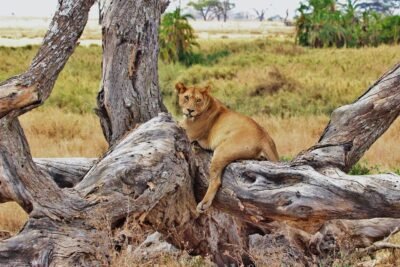
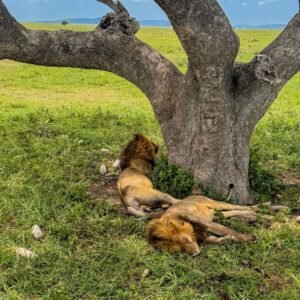
Lions remain close to the herds.
Cheetahs hunt frequently across the open plains.
Hyenas patrol the edges of calving grounds.
Yet despite the drama, the atmosphere often feels surprisingly gentle too.
Storm clouds gather over endless grasslands while newborn calves learn to run beneath enormous African skies.
Why Travellers Love Calving Season
- lush green landscapes
- dramatic predator behavior
- newborn wildlife
- excellent photography conditions
- fewer crowds than peak dry season
The green season also creates beautiful light:
soft mornings,
moody skies,
dramatic sunsets after rain.
Field Guide Observation
“The Serengeti feels youngest during calving season.”
Guides often say January through March carries a feeling of renewal rarely matched elsewhere in the safari calendar.
April and May: The Long Rains
April and May divide opinion among travellers.
Some avoid this season entirely because heavier rains can make roads muddy and wildlife more dispersed.
But experienced safari travellers often love this time.
Why?
Because the Serengeti becomes quieter.
Much quieter.
The plains turn intensely green while storm clouds build across the horizon in huge dramatic formations.
Safari feels slower and more intimate.
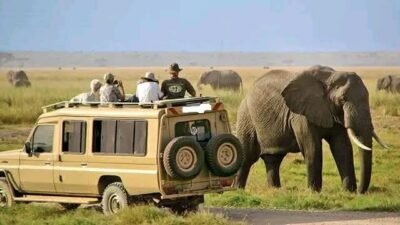
You may drive for long stretches seeing few other vehicles at all.
And after rainstorms, the atmosphere feels astonishingly fresh:
wet earth,
birdsong,
golden light breaking suddenly through clouds.
This is not the classic dusty safari many people imagine.
It feels moodier.
More cinematic.
More reflective.
Advantages of the Green Season
- fewer safari vehicles
- lower accommodation rates
- dramatic photography
- lush scenery
- peaceful camp atmosphere
For travellers seeking solitude and atmosphere over high-density sightings, this season can feel magical.
June and July: The Dry Season Begins
By June, the Serengeti begins changing again.
The rains fade.
Grass slowly shortens.
Migration herds begin moving northwest toward the Grumeti region.
The wilderness feels transitional during this period.
Not fully dry yet.
But shifting steadily toward classic safari conditions.
Wildlife viewing improves as vegetation thins while predators become easier to spot across open plains.
Cool mornings return too.
There is something deeply atmospheric about leaving camp before sunrise in June:
cold air,
dusty roads,
the smell of coffee beside the vehicle,
lion tracks fresh in the sand.
Why June and July Are Popular
These months balance several advantages:
- excellent wildlife visibility
- comfortable temperatures
- migration movement
- relatively manageable crowds
The safari atmosphere becomes increasingly classic:
golden grasslands,
clear skies,
dramatic sunsets.
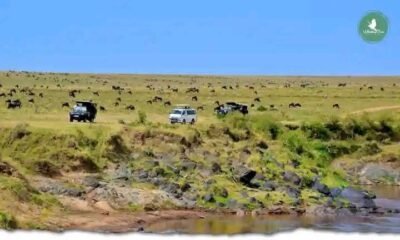
August to October: River Crossing Season
This is the season many travellers imagine when dreaming about the Great Migration.
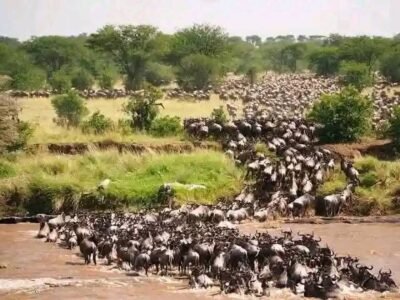
The herds gather near rivers in the northern Serengeti while tension builds slowly along the banks.
Animals hesitate.
Move forward.
Retreat again.
Then suddenly:
movement.
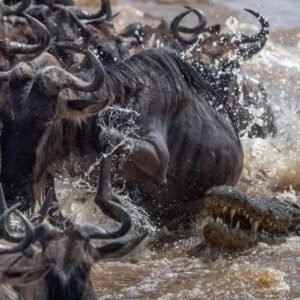
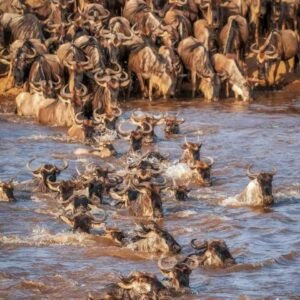
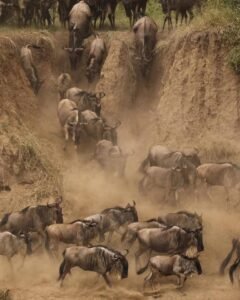
Thousands of wildebeest surge toward the water together while crocodiles wait beneath the surface and dust explodes into the air behind them.
River crossings feel chaotic.
Wild.
Sometimes violent.
And emotionally overwhelming in person.
But one important truth experienced guides understand:
crossings are unpredictable.
Nobody can guarantee exact timing.
Sometimes travellers wait hours beside a riverbank before the herds finally commit.
Sometimes nothing happens at all.
And strangely, that uncertainty makes successful crossings feel even more powerful.
What Makes River Crossing Season Special
- dramatic migration action
- predator encounters
- classic dry-season landscapes
- exceptional wildlife concentration
- unforgettable safari tension
This is peak season for a reason.
But it also brings:
- higher accommodation demand
- more safari vehicles
- earlier booking requirements
For 2026 travel, early planning matters greatly during these months.
November and December: The Return of Rain
When the short rains arrive, the Serengeti softens again.
Dust settles.
Grass begins returning.
Migration herds gradually move southward.
This season feels transitional and deeply beautiful.
The crowds thin slightly after peak migration months while the landscapes regain freshness.
Birdlife becomes especially vibrant during this period too.
And for travellers who enjoy atmosphere over peak spectacle, November and December often feel wonderfully balanced.
Best Time for Wildlife Photography
January – March
Best for:
- predator action
- baby animals
- green landscapes
June – October
Best for:
- clear visibility
- dramatic migration scenes
- golden light
- dust atmosphere
April – May
Best for:
- moody skies
- dramatic weather
- fewer vehicles
Photographers often love seasons that casual tourists overlook.
Best Time for Honeymoon Safari
For honeymoon travellers, atmosphere matters as much as wildlife.
Many couples prefer:
- January to March
- June to October
These seasons combine beautiful safari conditions with excellent opportunities to continue toward Zanzibar afterward.
Safari followed by warm Indian Ocean beaches remains one of East Africa’s most unforgettable journeys.
Best Time for Family Safari
Families often travel best during:
- June to August
- December holidays
Dry-season wildlife visibility helps keep children engaged while cooler temperatures make long game drives more comfortable.
Quietest Time to Visit the Serengeti
Travellers seeking solitude should consider:
- April
- May
- November
The wilderness feels more personal during these months.
Sometimes you can sit watching wildlife without another vehicle nearby at all.
And those quieter moments often become the deepest safari memories.
What Most First-Time Travellers Misunderstand
Many people think safari success depends entirely on timing.
But experienced guides know something else matters more:
presence.
Even during “peak” migration months, the Serengeti remains unpredictable.
And often, the most unforgettable moments are not the famous ones.
A leopard at sunrise.
Elephants walking silently through fog.
The sound of hyenas outside camp.
These moments cannot be scheduled.
Field Notes From Experienced Serengeti Guides
“The Serengeti is never exactly the same twice.”
“Rain changes everything here.”
“Migration timing belongs to the animals, not people.”
“Quiet seasons often create the strongest atmosphere.”
“The best safaris happen when travellers stop chasing only the checklist.”
So… When Is the Best Time for Serengeti Safari 2026?
The honest answer depends on what kind of emotional experience you want.
Choose January to March if you want:
- calving season
- predator action
- lush scenery
Choose June to October if you want:
- dry-season wildlife viewing
- migration drama
- classic safari atmosphere
Choose April, May, or November if you want:
- solitude
- dramatic landscapes
- quieter camps
- photography opportunities
There is no single perfect month.
Only different versions of the Serengeti.
Final Reflections: The Serengeti Moves to Its Own Rhythm
The Serengeti does not perform on command.
That is precisely why it stays unforgettable.
The migration follows rain.
Predators follow prey.
Storms reshape the landscape overnight.
And travellers who arrive expecting complete control often leave most transformed by the uncertainty itself.
Because safari teaches patience quietly.
You wait beside rivers.
You scan distant grasslands.
You listen to guides reading tracks in the dust.
Then suddenly, the wilderness reveals something extraordinary.
A crossing.
A hunt.
A moment of complete stillness beneath endless African sky.
And long after returning home, many travellers realize the Serengeti was never only about wildlife.
It was about feeling connected again to something older, wilder, and entirely beyond human schedules. Book now your serengeti safari.
Serengeti Safari Packing List
- Neutral safari clothes
- Warm jacket for mornings
- Camera gear
- Hat and sunglasses
- Comfortable shoes
- Binoculars
- Insect repellent
Add FAQ Section
Frequently Asked Questions
What is the best month to visit Serengeti?
It depends on migration movement and wildlife interests.
Is Serengeti good year-round?
Yes. Wildlife viewing remains excellent throughout the year.
When is Serengeti least crowded?
Green season months often have fewer visitors.
When can I see the migration?
Migration locations change monthly across Serengeti.