Best Time for Tanzania Safari – Ultimate 2026 Guide

Best Time for Tanzania Safari – Ultimate 2026 Guide
Introduction
Planning a Tanzania safari is an unforgettable experience, but choosing the best time for a safari in Tanzania can make a huge difference in what you see and your overall adventure. Weather patterns, wildlife migrations, and crowd levels vary throughout the year, affecting visibility, game-viewing opportunities, and comfort.
With expert guidance from Mangi Africa Tours and Safari Limited, travelers can select the perfect season to explore Tanzania’s stunning national parks, including the Serengeti, Ngorongoro Crater, Tarangire, and more. This guide provides a month-by-month breakdown and key tips for planning your safari.
Tanzania Safari Seasons Overview
Tanzania has two main safari seasons: dry season and wet season, each offering unique experiences.
1. Dry Season (Best Time)
- June to October
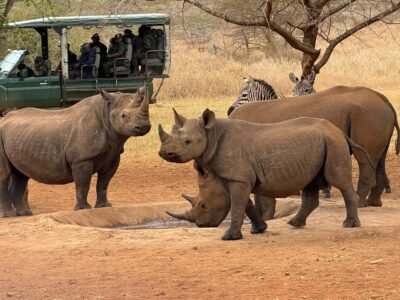
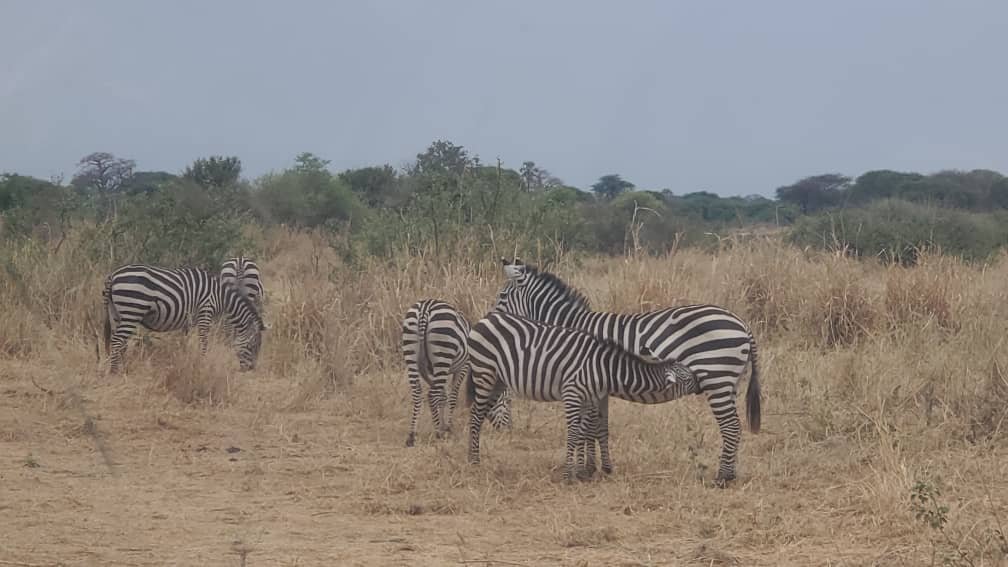
- Wildlife gathers around water sources, making animals easier to spot
- National parks are accessible, and trails are less muddy
- Ideal for photography and guided tours
2. Wet Season (Green Season)
- November to May (peaking in April–May)
- Landscapes are lush and green
- Fewer tourists, more intimate safari experience
- Certain roads may be muddy, and some areas are harder to reach
For most travelers, the dry season (June–October) is considered the best time for a Tanzania safari.
Wildlife Highlights by Month
June – August
- Peak dry season
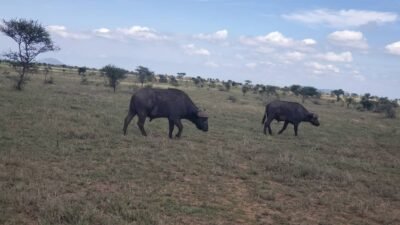
- Wildebeest migration in the Serengeti
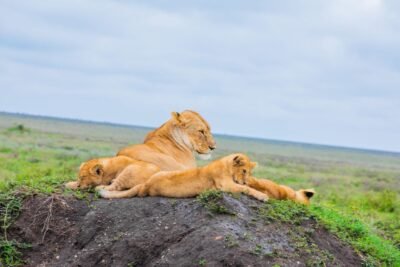
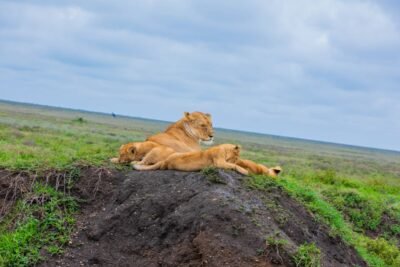
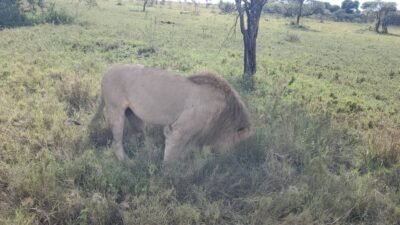
- Large predator activity (lions, cheetahs) is visible
- Comfortable temperatures and excellent photography conditions
September – October
- End of dry season
- Fewer tourists, but wildlife is still concentrated around water sources
- Excellent time for bird watching and photography
November – December
- Start of short rains
- Verdant scenery, fewer crowds
- Animal sightings can be more dispersed
January – March
- Dry season in southern parks like Ruaha and Selous
- Good for exploring off-the-beaten-path destinations
- Hot temperatures, plan early morning game drives
April – May
- Long rains
- Roads may be difficult to navigate
- Parks like Serengeti may be less accessible
Why Timing Matters for Your Safari
- Wildlife Viewing: Animals are easier to spot during the dry season
- Comfort: Trails are less muddy and more accessible
- Photography: Clear skies and concentration of wildlife improve shots
- Crowds: Peak season attracts more tourists; off-peak offers privacy
Tips for Planning Your Tanzania Safari
- Book Early: Especially for June–October, which is peak season
- Consider Your Interests: Migration, predators, birdwatching, or photography
- Pack Appropriately: Layered clothing, sunscreen, hat, and binoculars
- Work With Experts: Professional guidance enhances your experience
Mangi Africa Tours and Safari Limited provides tailored safari itineraries to match your preferred season, budget, and wildlife interests.
Call to Action
Book now your Tanzania safari today with Mangi Africa Tours and Safari Limited and experience the best wildlife adventures during the perfect season, guided by expert professionals! For more information and regulation visit Tanzania national parks
FAQ – Best Time for Tanzania Safari
Q1: When is the best month to go on safari in Tanzania?
A: June to October is the best time for wildlife viewing and dry, comfortable conditions.
Q2: Can I go on safari during the wet season?
A: Yes, the green season offers lush scenery, fewer crowds, and unique photographic opportunities.
Q3: Which parks are best during different months?
A: Serengeti is best June–October, Ruaha and Selous in January–March, Ngorongoro is year-round.
Q4: Do safari prices change with the season?
A: Yes, peak season rates are higher, while off-peak season is generally more affordable.