Ngorongoro Crater safari: Ultimate Safari Adventure in Tanzania

Ngorongoro Crater Safari – A Journey Into Tanzania’s Lost World of Wildlife
There are places in the world that feel like they were never meant to be discovered.
Not because they are hidden—but because they feel too perfect, too complete, too untouched to belong to modern life.
The Ngorongoro Crater is one of those places.
Standing on its rim for the first time, you don’t just see a landscape—you feel like you are looking into another world entirely. Clouds drift slowly across the highlands. The wind is cool and thin. And far below, inside a massive natural bowl, life continues exactly as it has for thousands of years.
This is not just a safari destination in Tanzania.
This is nature’s masterpiece.
The Ancient Story of Ngorongoro Crater
To understand Ngorongoro, you must first imagine fire.
Millions of years ago, this place was not green grass and grazing animals. It was a giant volcano rising from the East African Rift Valley. It stood tall, powerful, and alive with molten energy.
Then one day, it collapsed.
When the volcano erupted and emptied its magma chamber, the mountain could no longer support its own weight. It fell inward, forming what we now call a caldera—a massive collapsed volcanic crater.
This is how the Ngorongoro Crater was born.
Today, it is one of the largest intact volcanic calderas in the world, measuring about 20 kilometers wide and covering roughly 260 square kilometers. The crater floor lies about 600 meters below the rim, creating a natural enclosure that has become one of the richest wildlife habitats on Earth.
It is part of the Ngorongoro Conservation Area Ngorongoro Conservation Area, a UNESCO World Heritage Site that protects both wildlife and the Maasai people who live alongside it.
But numbers alone cannot explain it.
You have to go there to understand it.
The Journey Begins – From Arusha to the Highlands
Most safaris begin in Arusha Arusha, a bustling gateway town surrounded by coffee farms, mountains, and safari energy.
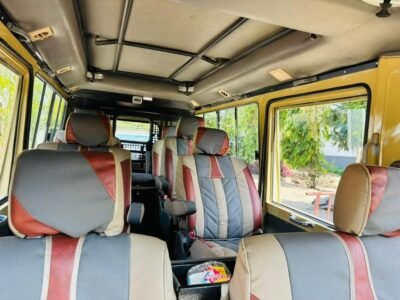
Early in the morning, before the sun fully rises, safari vehicles begin to leave the city. The air is fresh. The roads are quiet. And ahead lies a long climb into the highlands.
As you travel, the landscape changes slowly but dramatically.
Green hills replace buildings. Banana trees replace traffic. And eventually, Maasai herders appear—walking with cattle wrapped in red shukas, moving calmly across the land as they have done for generations.
The road winds higher and higher until the air becomes cooler, almost misty.
Then suddenly, everything opens up.
You arrive at the crater rim.
And the world stops for a moment.
First View From the Crater Rim
Nothing prepares you for this view.
From above, Ngorongoro looks like a hidden kingdom. A perfect circle carved into the earth. Mist floats above its edges. Clouds cast moving shadows across the floor below.
And somewhere far down inside that ancient bowl, animals are already moving.
You hear nothing.
But you know life is everywhere.
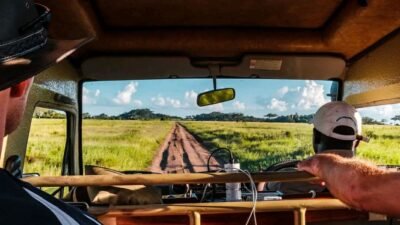
Your guide slowly drives down the steep track, and the descent begins.
It feels like entering another dimension.
Entering the Crater – A World Within a World
As your vehicle reaches the crater floor, everything changes instantly.
The landscape opens into wide grasslands, scattered acacia trees, swamps, rivers, and lakes. The ecosystem is so dense that wildlife feels constant—always present, always moving.
Unlike many safari parks where animals are spread out across large distances, here everything is close. You don’t search for wildlife—it appears naturally in front of you.
This is one of the reasons Ngorongoro is considered one of the best safari destinations in Africa.
The Big Five Experience in One Place
Ngorongoro is famous for one extraordinary reason:
It is one of the few places in Africa where you can see the Big Five in a single day.
Inside the crater, you may encounter:
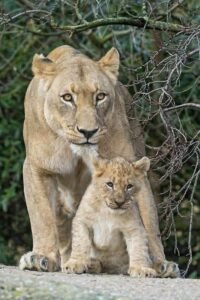
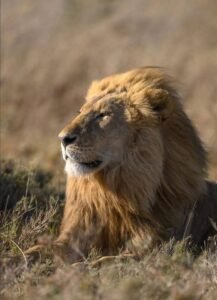
- Lions resting in the open grasslands
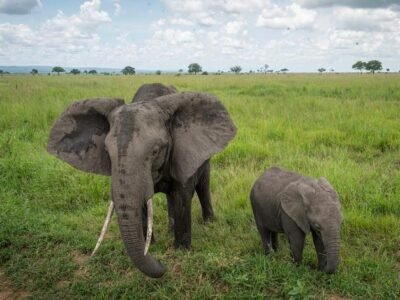
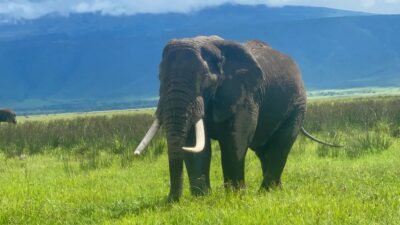
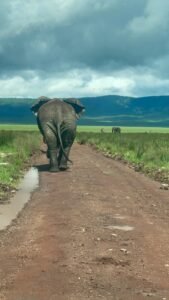
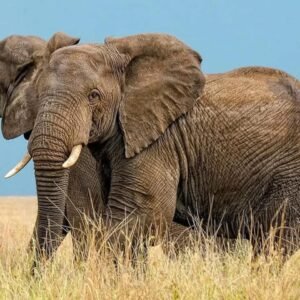
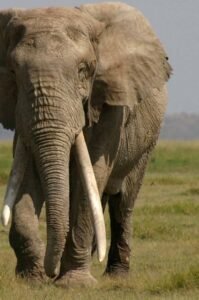
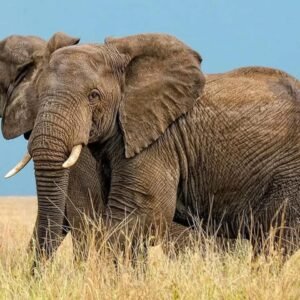
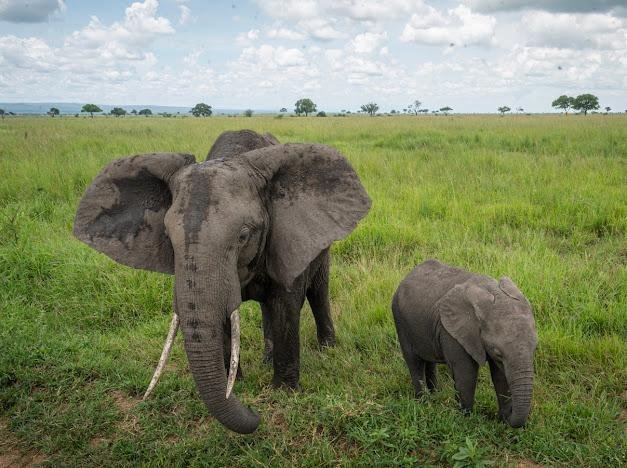
- Elephants walking slowly near swamp edges
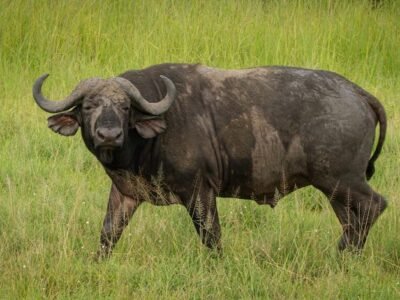
- Buffalo gathering in powerful herds
- Leopards hiding in rocky outcrops
- And the rare black rhinoceros moving quietly across the plains
The black rhino is especially precious. It is endangered, and sightings are rare anywhere in Africa—but Ngorongoro offers one of its safest remaining habitats.
Alongside them, you will see:
- Zebras moving in synchronized herds
- Wildebeest grazing peacefully
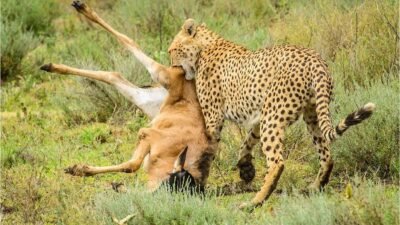
- Hyenas watching silently from a distance
- Flamingos coloring the shallow soda lakes pink
- And hundreds of bird species filling the sky
The crater floor feels like a natural theatre of life.
No fences.
No artificial boundaries.
Just nature.
Why Ngorongoro Feels Emotionally Different
Many safaris are exciting.
Ngorongoro is emotional.
There is something about being inside a closed ecosystem that changes how you feel. You are not watching wildlife from a distance—you are inside their world.
The crater walls surround you like ancient guardians. The sky feels closer. The sounds feel sharper. Even silence feels alive.
At times, you may stop your vehicle and simply listen.
A lion roars somewhere in the distance.
A hyena laughs.
Wind moves through the grass.
And in that moment, you realize you are not just observing nature—you are part of it.
Best Time to Visit Ngorongoro Crater
Ngorongoro can be visited throughout the year, but each season offers a different experience.
🌞 January to March
- Warm weather
- Green landscapes
- Excellent visibility
- Great for photography
🌾 June to October
- Dry season
- Easier wildlife spotting
- High animal concentration near water sources
🌧️ April–May & November
- Rainy season
- Muddy roads
- Beautiful dramatic scenery
- Fewer tourists
Each season tells a different story of the crater.
Safari Itinerary – A Day Inside Ngorongoro
A typical safari experience looks like this:
🌅 Morning Departure
You leave Arusha early, passing through highlands and Maasai villages.
🚙 Crater Descent
You enter the conservation area and begin descending into the crater.
🐘 Game Drive
The entire morning is spent exploring wildlife zones:
- Hippo pools
- Swamps
- Open plains
- Lake areas
🍽️ Picnic Lunch
Lunch is usually taken at a scenic picnic site surrounded by wildlife.
🌇 Afternoon Exploration
More game drives continue until late afternoon before climbing back up the crater rim.
Staying Above the Crater – Lodges & Camps
One of the most magical experiences is staying near the crater rim.
At night, temperatures drop. Mist rolls over the edge. And far below, the sounds of wildlife rise into the darkness.
There are three main accommodation types:
Luxury Lodges
- Crater views
- Fine dining
- Private balconies overlooking the wilderness
Mid-range Lodges
- Comfortable rooms
- Easy access to crater gates
- Great value for safari travelers
Campsites
- Raw nature experience
- Night sounds of wildlife
- Ideal for adventure travelers
Maasai Culture Around Ngorongoro
The Ngorongoro region is also home to the Maasai people, one of Africa’s most well-known indigenous communities.
They live alongside wildlife, herding cattle across the same lands where lions and zebras roam.
Visiting a Maasai village gives travelers insight into:
- Traditional dances
- Beadwork and crafts
- Livestock culture
- Ancient pastoral lifestyles
It is a powerful reminder that Ngorongoro is not only about wildlife—but also about people and coexistence.
Combine Ngorongoro With Other Tanzania Adventures
A safari to Ngorongoro becomes even more powerful when combined with other destinations:
🐆 Serengeti National Park Serengeti National Park
Witness the Great Wildebeest Migration.
🐘 Lake Manyara National Park
Tree-climbing lions and flamingos.
🏔️ Mount Kilimanjaro
Africa’s highest peak.
🏝️ Zanzibar Island
White sand beaches and Indian Ocean relaxation.
Together, they create the ultimate Tanzania safari journey.
Reviews & Trusted Travel Platforms
Many travelers research Ngorongoro experiences through global travel platforms before visiting.
- Tripadvisor Ngorongoro Crater Reviews
- TourHQ Safari Guides Tanzania
- Tanzania National Parks Authority
These sources help travelers compare safaris, guides, and experiences.
Final Reflection – Why Ngorongoro Stays in Your Memory
There are safaris you enjoy.
And then there are places that stay with you long after you have left.
Ngorongoro belongs to the second category.
It is not just the wildlife.
Not just the landscape.
Not just the Big Five.
It is the feeling of being inside something ancient, complete, and alive.
When you leave, you carry it with you.
The silence.
The movement of animals.
The crater rising behind you as you drive away.
And somewhere deep inside, you know you will come back.
Plan Your Ngorongoro Crater Safari Today
If you are planning a Tanzania safari, Ngorongoro Crater should not be just a stop.
It should be the heart of your journey.
👉 Explore custom safari packages, expert guides, and tailored itineraries today.
FAQ (SEO BOOST SECTION)
Is Ngorongoro Crater worth visiting?
Yes, it is one of the most wildlife-dense safari destinations in Africa and a UNESCO site.
How long should I stay in Ngorongoro?
One full day is enough for a crater tour, but 2 days is ideal.
Can I see the Big Five in Ngorongoro?
Yes, Ngorongoro is one of the best places in Africa to see all Big Five in one day.
What is the best time to visit Ngorongoro Crater?
June to October for dry season wildlife viewing, or January to March for green scenery.