BLOG
Join a Group Trek on Kilimanjaro: The Marangu Route Summit Adventure
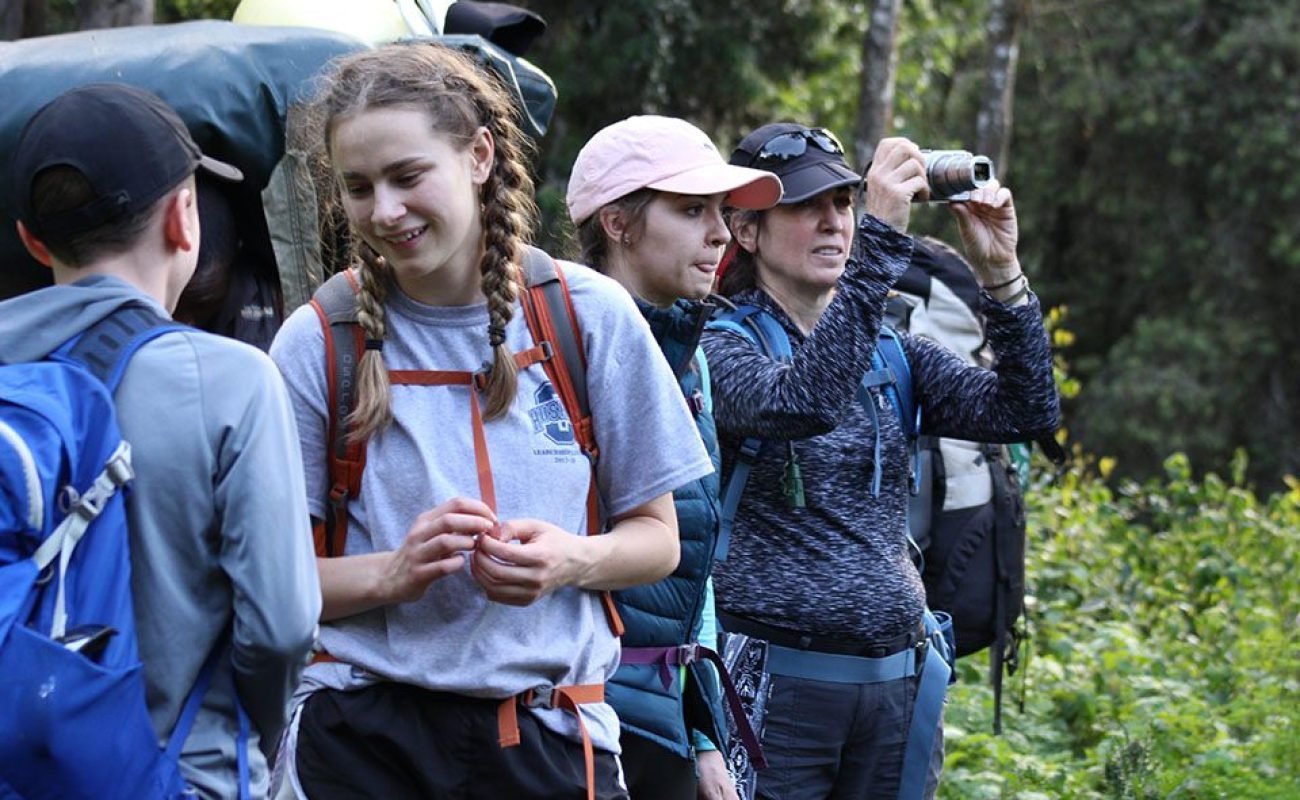
Marangu Route Group Trek There’s something powerful about climbing a mountain with strangers who slowly become a team.
On Mount Kilimanjaro, conversations begin quietly at breakfast tables in Moshi. Someone adjusts trekking poles. Another checks their backpack for the fifth time. Nerves hide behind smiles. Excitement fills the air.
A few days later, those same people are helping each other toward Uhuru Peak under a sky full of stars.
That’s the magic on the Marangu Route group trek.
Not just reaching the summit.
Sharing the journey.
Trusted by travelers worldwide, Mangi Africa Tours and Safaris Limited continues to receive outstanding reviews on Tripadvisor and TourHQ for unforgettable Tanzania safari experiences.
Why Choose the Marangu Route for a Group Trek?
Mount Kilimanjaro has several climbing routes, but the Marangu Route remains one of the most popular choices for group departures.
Known as the “Coca-Cola Route,” Marangu is the only route offering mountain hut accommodation instead of camping. After long trekking days, climbers sleep inside shared huts with beds and dining areas — something many first-time trekkers deeply appreciate, especially at higher altitude.
For group climbs, the route works beautifully.
People naturally gather together in the huts during the evenings:
- sharing stories
- playing cards
- drinking tea
- comparing altitude headaches
- laughing about the day’s challenges
By summit night, the group no longer feels like strangers.
It feels like a mountain family.
The Atmosphere on the Mountain
The Marangu Route has a rhythm of its own.
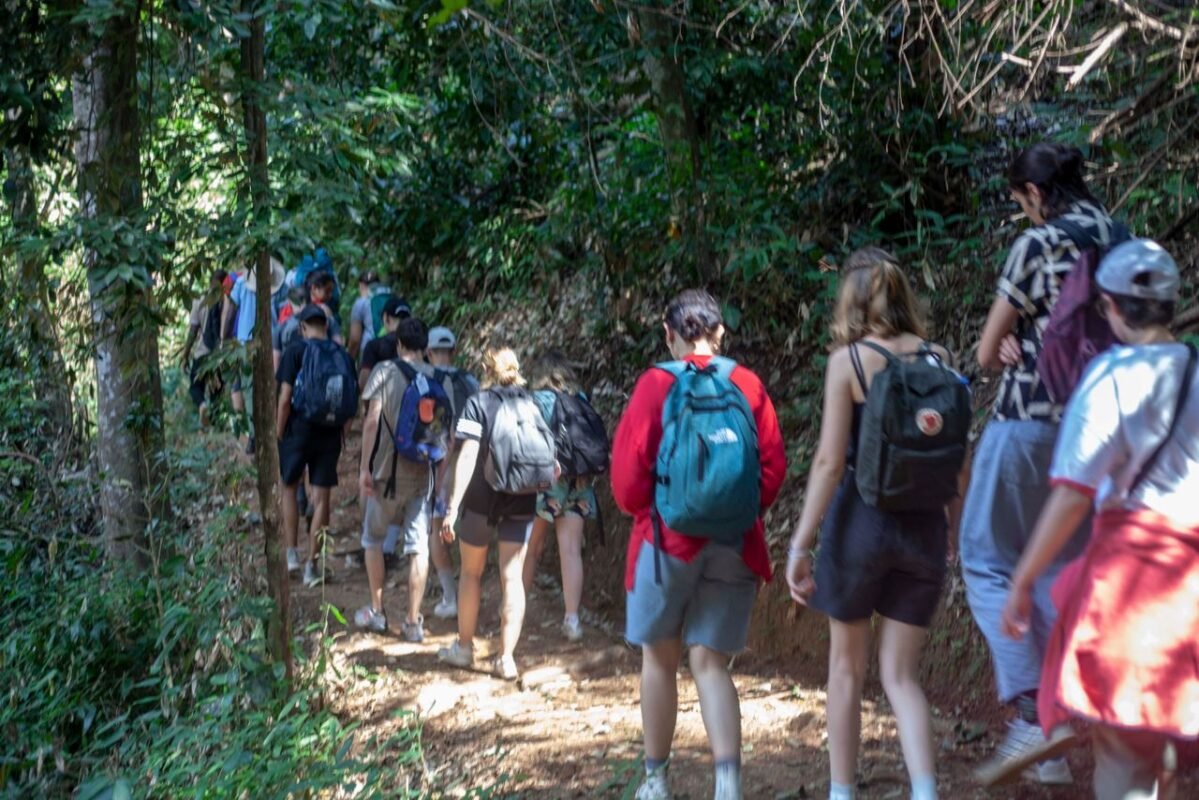
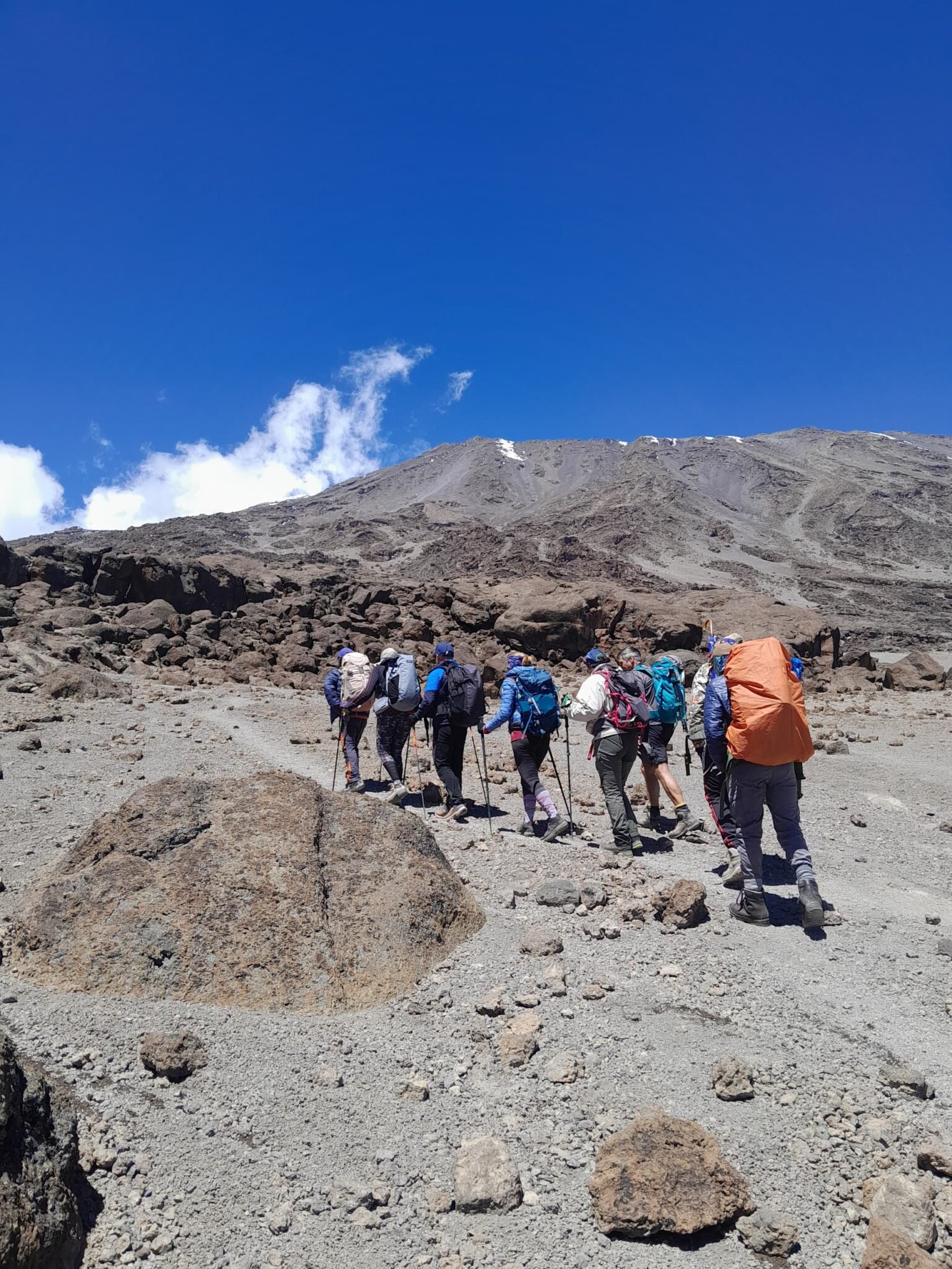
Mornings begin with steaming cups of coffee while mist hangs in the rainforest. Porters move quietly between huts preparing gear for the day ahead. Boots crunch against volcanic gravel as the group slowly leaves camp together.
The landscapes change quickly:
- dense rainforest filled with colobus monkeys
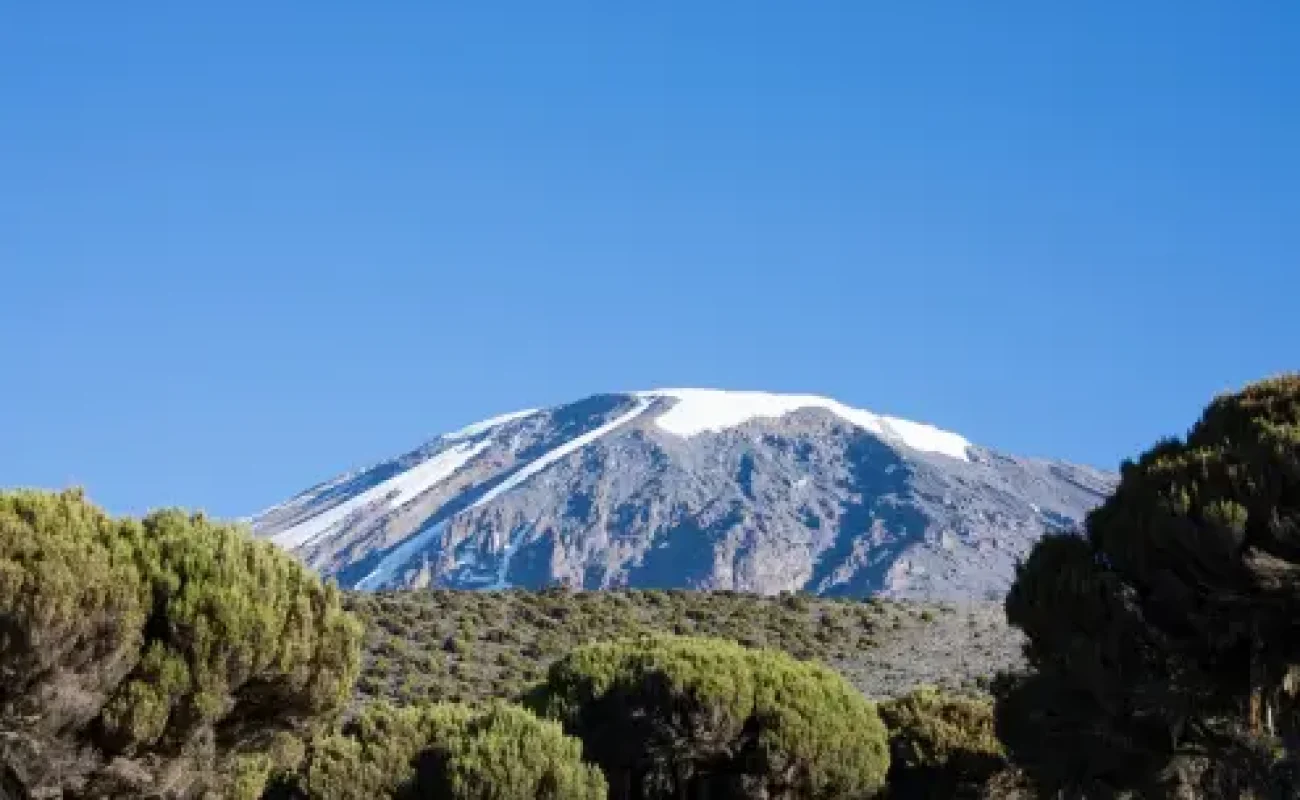
- open moorlands covered in giant groundsels
- windswept alpine desert
- finally, the frozen summit zone above the clouds
And with every day, the air becomes thinner.
Conversations become shorter.
Breathing becomes slower.
But the determination inside the group grows stronger.
Summit Night: Kibo Hut to Uhuru Peak
The Hardest Part of the Climb
Everything changes at midnight.
The dining hut at Kibo is quiet except for spoons against metal cups and nervous laughter. Most climbers barely sleep before the summit push. Outside, the temperatures fall below freezing.
Headlamps flicker to life in the darkness.
And then the climb begins.
Into the Arctic Zone
Kibo Hut → Uhuru Peak
- Elevation: 15,430 ft → 19,341 ft
- Distance: 6 km
- Hiking Time: 6–8 hours
- Ecological Zone: Arctic
The trail zigzags endlessly through loose volcanic scree. Every step feels heavier than the last. Guides constantly remind climbers:
“Pole pole.”
Slowly, slowly.
This is not a race.
The silence on summit night feels unforgettable. You hear boots scraping rock. Wind moving across the mountain. Heavy breathing in the darkness.
Some climbers walk quietly inside their thoughts. Others encourage each other through exhaustion and altitude.
And then, after hours in the cold, the group finally reaches Gilman’s Point.
Sunrise Above Africa
At 18,600 feet, dawn begins slowly over Mawenzi Peak.
The horizon changes from black to deep blue. Then orange. Then gold.
For many climbers, this becomes the emotional moment of the entire journey.
Not the summit itself.
This sunrise.
People stand silently watching light spread across the clouds beneath them while glaciers glow beside the trail.
Fatigue disappears for a moment.
The group pushes onward.
Together.
Reaching Uhuru Peak
The Roof of Africa
Finally, the famous summit sign appears through the thin air.
Uhuru Peak – 19,341 ft
The highest point in Africa.
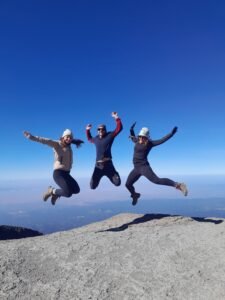
Some climbers celebrate loudly. Others become emotional and completely silent. A few simply stare across the endless horizon trying to absorb the moment.
After days of climbing together, reaching Uhuru Peak feels shared.
You remember:
- the difficult moments
- the laughter in the huts
- the encouragement from guides
- strangers helping strangers at altitude
That is what makes group trekking special on Kilimanjaro.
The Descent to Horombo Hut
Uhuru Peak → Horombo Hut
- Elevation: 19,341 ft → 12,250 ft
- Distance: 16 km
- Hiking Time: 4–5 hours
- Ecological Zone: Heath
Descending feels surreal.
The summit already begins to feel distant as the group carefully makes its way back through volcanic slopes toward Horombo Hut.
Exhaustion settles in.
But so does pride.
Dinner at Horombo often becomes one of the happiest moments of the entire climb. Stories grow louder. Smiles return. The summit no longer feels like a dream.
It happened.
Final Day: Horombo Hut to Marangu Gate
Returning Through the Rainforest
Horombo Hut → Marangu Gate
- Elevation: 12,250 ft → 6,046 ft
- Distance: 20 km
- Hiking Time: 5–7 hours
- Ecological Zone: Rainforest
The final descent passes through thick rainforest alive with birdsong and the scent of wet earth. After days above the clouds, the green forest feels almost unreal again.
Boots are dusty. Legs are tired.
But spirits are high.
At Marangu Gate, climbers receive their Kilimanjaro Summit Certificates — proof of determination, resilience, and teamwork on Africa’s highest mountain.
And waiting nearby is one of the greatest luxuries imaginable after the climb:
A hot shower.
A soft bed.
And a cold drink back in Moshi.
Why Travelers Love Group Treks on Kilimanjaro
Group climbs create a very different experience from private treks.
Many travelers arrive alone and leave with genuine friendships formed on the mountain.
Why Join a Group Trek?
- Meet travelers from around the world
- Share motivation during difficult moments
- Enjoy a social and supportive atmosphere
- Reduce climbing costs through shared departures
- Trek with experienced local mountain guides
- Perfect for solo travelers and small groups
Some climbers stay in touch for years after the trek ends.
Because climbing Kilimanjaro together creates a bond difficult to explain until you experience it yourself.
Why Climb Kilimanjaro With Mangi Africa Tours and Safaris?
A successful summit depends on more than fitness.
It depends on the people guiding you.
At Mangi Africa Tours and Safaris, our mountain teams are deeply connected to Kilimanjaro. Many guides and porters have spent years on these trails through changing seasons, storms, and thousands of summit attempts.
They understand:
- altitude
- pacing
- mountain safety
- weather patterns
- how to encourage climbers during difficult moments
Most importantly, they understand the emotional side of the climb.
Because Kilimanjaro is never only physical.
It becomes personal.
Best Time to Join a Marangu Route Group Trek
The best climbing seasons on Mount Kilimanjaro are:
| Season | Conditions |
|---|---|
| January – March | Cooler temperatures, quieter trails |
| June – October | Dry weather and clear summit views |
These months offer the best chances for comfortable trekking and successful summit conditions.
What to Expect Emotionally on Kilimanjaro
Many travelers prepare physically for the mountain.
Few expect the emotional impact.
Kilimanjaro strips life down to simple things:
- walking
- breathing
- weather
- teamwork
- determination
And somewhere between the rainforest and the summit glaciers, people often reconnect with parts of themselves that daily life keeps buried beneath noise and routine.
That is why the mountain stays with people long after they leave Tanzania.
Is the Marangu Route Group Trek Suitable for Beginners?
One reason the Marangu Route remains one of the most popular ways to climb Mount Kilimanjaro is because it is considered one of the most beginner-friendly Kilimanjaro climbing routes.
The trail is well-established, the pace is manageable with proper acclimatization, and the hut accommodation provides extra comfort during the climb compared to camping routes.
But Kilimanjaro should never be underestimated.
Even on the Marangu Route, climbers face:
- high altitude
- freezing summit temperatures
- long trekking days
- physical and mental exhaustion
With experienced local mountain guides, proper preparation, and a positive mindset, thousands of first-time trekkers successfully reach Uhuru Peak every year.
For many travelers, the Marangu Route group trek becomes more than a climb. It becomes a personal journey of resilience, teamwork, and achievement.
Marangu Route Altitude and Acclimatization
Altitude is the biggest challenge on any Mount Kilimanjaro trek.
As climbers ascend above 3,000 meters, oxygen levels decrease significantly. This is why proper acclimatization is critical for summit success and overall safety on the mountain.
The 6-day Marangu Route itinerary is strongly recommended because it gives the body more time to adjust gradually to the altitude.
Our mountain guides monitor climbers daily for signs of altitude sickness using:
- health checks
- oxygen saturation monitoring
- pace management
- hydration guidance
Important acclimatization tips:
- Walk slowly (“pole pole”)
- Drink plenty of water
- Eat properly during the trek
- Listen carefully to your guides
- Avoid rushing at altitude
Slow climbing is often the secret to standing successfully on Uhuru Peak.
What Is Included in Our Marangu Route Group Trek?
Our Kilimanjaro group trekking packages are designed to provide a safe, organized, and comfortable climbing experience from arrival to summit.
Included in the package:
- Professional English-speaking mountain guides
- Kilimanjaro National Park fees
- Hut accommodation on the mountain
- All meals during the trek
- Drinking water
- Rescue fees
- Porters and mountain crew
- Airport transfers
- Accommodation before and after the climb
Our experienced local team handles all logistics so climbers can focus fully on the experience of climbing Mount Kilimanjaro.
What to Pack for a Marangu Route Group Trek
Packing properly can make a huge difference during your Kilimanjaro climb.
Essential gear includes:
- Waterproof hiking boots
- Warm thermal layers
- Down jacket
- Headlamp with spare batteries
- Gloves and warm hat
- Trekking poles
- Sleeping bag
- Rain jacket and waterproof pants
- Sunglasses and sunscreen
- Reusable water bottles or hydration pack
Temperatures near Uhuru Peak can fall far below freezing during summit night, especially before sunrise.
Layering clothing properly helps climbers stay warm, dry, and comfortable throughout the trek.
Why Local Guides Matter on Kilimanjaro
A successful Kilimanjaro summit depends on more than fitness.
It depends heavily on the experience and professionalism of your mountain crew.
Local Tanzanian guides understand:
- mountain weather patterns
- altitude response
- emergency procedures
- pacing strategies
- climber motivation during difficult moments
But beyond safety, local guides bring the mountain to life.
Through stories, songs, humor, encouragement, and deep knowledge of Kilimanjaro, they help transform the climb into something unforgettable.
Climbing with a local operator also directly supports:
- porters
- guides
- cooks
- local families
- surrounding communities connected to tourism around Mount Kilimanjaro
Frequently Asked Questions About the Marangu Route Group Trek
How difficult is the Marangu Route?
The Marangu Route is considered one of the easier Kilimanjaro routes because of its gradual trail and hut accommodation. However, the altitude still makes the climb physically demanding.
How many days does the Marangu Route take?
Most climbers complete the Marangu Route in 5–6 days. The 6-day itinerary is highly recommended for better acclimatization and higher summit success rates.
Is the Marangu Route good for solo travelers?
Yes. Group treks are ideal for solo travelers looking to join shared departures, reduce climbing costs, and meet other trekkers from around the world.
Combine Your Kilimanjaro Trek With a Tanzania Safari
Many travelers choose to combine their Marangu Route climb with a wildlife safari or beach holiday after descending from the mountain.
Popular safari destinations include:
After days of trekking through glaciers and volcanic landscapes, relaxing on safari or along the Indian Ocean coastline creates the perfect Tanzania adventure.
Begin Your Kilimanjaro Group Adventure
Standing on Uhuru Peak is unforgettable.
But often, the moments people remember most happen between the big milestones:
- sharing tea inside the huts
- laughing during difficult climbs
- hearing boots crunch through volcanic gravel before sunrise
- watching strangers become teammates above the clouds
The Marangu Route offers more than a path to the summit. Is regulated by kilimanjaro national park.
It offers a shared journey across one of the world’s most extraordinary mountains.
And when the group finally stands together at the Roof of Africa, the achievement feels bigger than any one individual. Book now your group trek.