

- Overview
- Trip Outline
- Gallery
- Price
Lemosho Route Kilimanjaro: Ultimate Guide to Climbing Mount Kilimanjaro
Lemosho Route is one of the most scenic and rewarding paths to climb Mount Kilimanjaro. Known for its beauty, variety, and high success rate, the Lemosho Route is perfect for trekkers seeking adventure, comfort, and a higher chance of summiting.
This route offers breathtaking views, diverse ecosystems, and a gradual ascent to the roof of Africa at Uhuru Peak. For those serious about reaching the summit, Lemosho is often the top choice.
Ranked among trusted local operators on TourHQ and highly reviewed on Tripadvisor, we guide climbers safely across the best Mount Kilimanjaro routes in Tanzania.
What is the Lemosho Route?
The Lemosho Route begins on the western side of Mount Kilimanjaro. It is less crowded than Machame or Marangu, making it a peaceful and scenic experience.
This route passes through multiple ecological zones:
- Rainforest
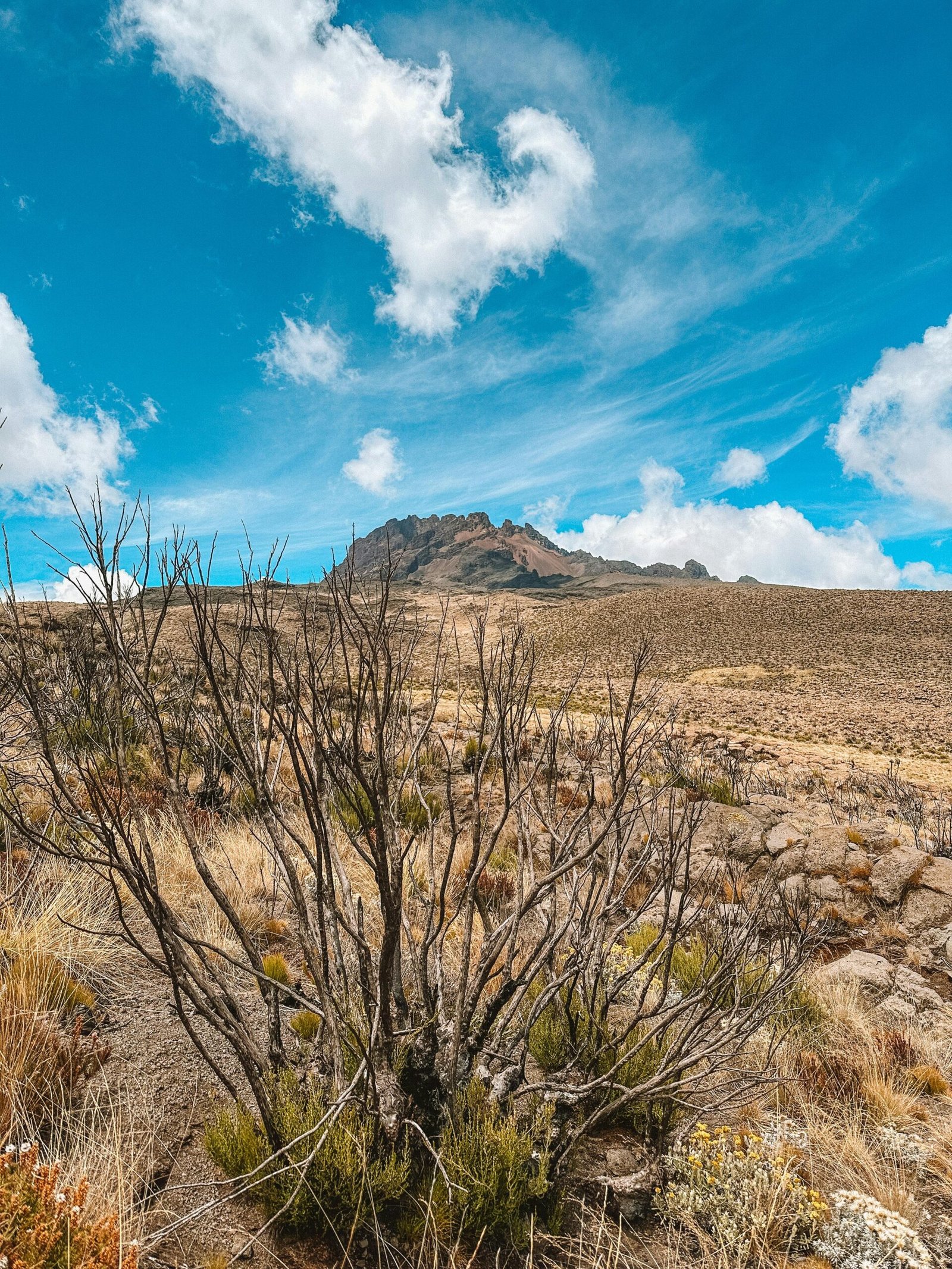
- Heather and Moorland
- Alpine desert
- Summit zone
The diverse landscapes make Lemosho a favorite for photographers and nature lovers.
Why the Lemosho Route Is Considered the Best Route on Mount Kilimanjaro
The Lemosho Route is widely considered one of the best routes to climb Mount Kilimanjaro because of its stunning scenery, gradual acclimatization profile, and high summit success rate. Unlike shorter routes, Lemosho gives climbers more time to adjust to the altitude, making the journey safer, more comfortable, and more enjoyable.
Starting from the remote western side of Mount Kilimanjaro, the Lemosho Route offers breathtaking landscapes, fewer crowds, and one of the most rewarding trekking experiences in Tanzania. From lush rainforest and volcanic plateaus to alpine desert and glaciers near Uhuru Peak, this route showcases the full beauty of Africa’s highest mountain.
Lemosho Route vs Machame Route – Which Is Better?
The Lemosho Route and Machame Route are both excellent options for climbing Mount Kilimanjaro, but they offer different experiences depending on your goals and trekking style.
Lemosho Route
- Better acclimatization profile
- Higher summit success rate
- Less crowded
- More scenic western approach
- Longer and more gradual itinerary
Machame Route
- More popular and crowded
- Slightly steeper ascent
- Excellent scenery
- Suitable for adventurous trekkers
- Camping throughout the trek
For travelers seeking the best balance between scenery, acclimatization, and summit success, the Lemosho Route is often considered the superior choice.
What Summit Night on the Lemosho Route Feels Like
Summit night on Mount Kilimanjaro is one of the most emotional and unforgettable experiences of the entire trek. Around midnight, climbers leave Barafu Camp under freezing temperatures and a sky filled with stars.
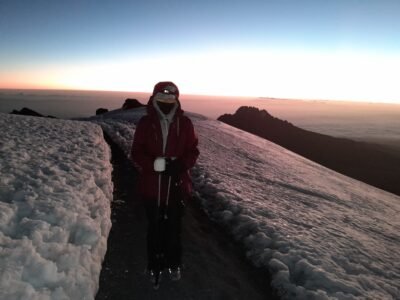
The air becomes thinner with every step, and the climb demands patience, determination, and mental strength. As dawn approaches, the glaciers begin glowing under the sunrise, revealing breathtaking views above the clouds.
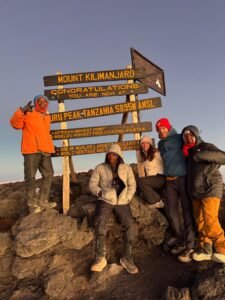
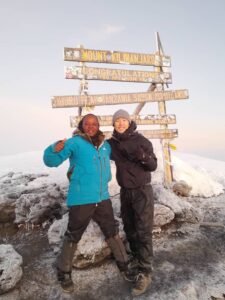
Standing at Uhuru Peak, the highest point in Africa, is more than reaching a destination — it is a moment of personal achievement that stays with you forever.
How Much Does the Lemosho Route Cost?
The cost of climbing Mount Kilimanjaro via the Lemosho Route depends on the itinerary length, group size, travel season, and level of service.
Budget Group Climbs
Affordable shared trekking experiences for travelers joining scheduled group departures.
Mid-Range Private Climbs
Ideal for couples, families, and private groups seeking flexibility and personalized service.
Luxury Kilimanjaro Packages
Premium experiences with upgraded accommodation, private transfers, and enhanced mountain support.
Our Lemosho Route packages include:
- Kilimanjaro National Park fees
- Professional mountain guides
- Porters and cooks
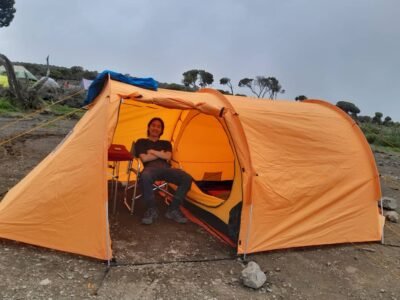
- Camping equipment
- Meals on the mountain
- Rescue support and safety equipment
- Accommodation before and after the trek
We focus on safety, fair porter treatment, and high-quality service to ensure a successful summit experience.
Altitude Sickness on the Lemosho Route
Altitude is the biggest challenge when climbing Mount Kilimanjaro. As elevation increases, oxygen levels decrease, making proper acclimatization extremely important for summit success.
Common symptoms of altitude sickness include:
- Headaches
- Nausea
- Dizziness
- Fatigue
- Shortness of breath
The Lemosho Route is highly recommended because its gradual ascent allows climbers more time to adapt naturally to the altitude. This is one reason why the route has one of the highest summit success rates on Mount Kilimanjaro.
Our experienced guides monitor climbers daily and prioritize safety throughout the trek.
Kilimanjaro National Park Regulations and Permits
All climbers on Mount Kilimanjaro must follow regulations established by the Tanzania National Parks Authority (TANAPA).
Important regulations include:
- All climbers must use licensed mountain guides
- Park fees and rescue fees are mandatory
- Camping is only allowed in designated campsites
- Environmental conservation rules must be respected
- Climbers must follow park safety procedures
These regulations help protect Mount Kilimanjaro while supporting sustainable tourism and visitor safety.
Why Climb the Lemosho Route With Us?
Choosing the right Kilimanjaro operator can make the difference between a difficult trek and a successful summit experience.
With Mangi Africa Tours and Safari Limited, you receive:
- Experienced local mountain guides
- High summit success rates
- Personalized support before and during the climb
- Professional safety monitoring
- Fair treatment and support for porters
- Quality camping equipment and nutritious meals
- Fast communication and reliable service
As a trusted Tanzania-based trekking company, we understand the mountain, the challenges of altitude, and what it takes to help climbers reach Uhuru Peak safely and successfully.
Frequently Asked Questions About the Lemosho Route
Is the Lemosho Route the best route on Kilimanjaro?
The Lemosho Route is considered one of the best Kilimanjaro routes because of its scenic beauty, gradual acclimatization profile, and high summit success rate.
How difficult is the Lemosho Route?
The route is moderately challenging due to long trekking days and high altitude, but it is suitable for beginners with proper preparation and guidance.
How long does the Lemosho Route take?
Most climbers complete the Lemosho Route in 7–8 days to improve acclimatization and increase summit success.
What is the success rate of the Lemosho Route?
The Lemosho Route has one of the highest summit success rates on Mount Kilimanjaro because of its longer and more gradual ascent profile.
Begin Your Journey to the Roof of Africa
The Lemosho Route is more than just a climb — it is a journey through some of the most extraordinary landscapes in Africa, from ancient rainforest and volcanic plateaus to glaciers above the clouds.
Every step toward Uhuru Peak challenges your body, strengthens your mind, and rewards you with unforgettable memories. Whether you are climbing Mount Kilimanjaro for adventure, personal achievement, or a lifelong dream, the Lemosho Route offers one of the most rewarding trekking experiences in the world.
Let our experienced local team guide you safely to the summit of Mount Kilimanjaro and help turn your dream into reality.
Lemosho Route Itinerary Overview
Most climbers take 7–8 days for a successful summit attempt. The longer itinerary is highly recommended for better acclimatization.
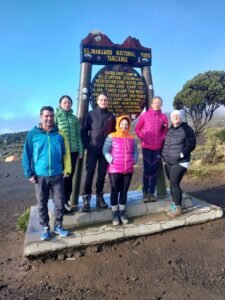
Day 1: Londorossi Gate to Big Tree Camp
You enter the forest from Londorossi Gate. The path is shaded, full of birds, monkeys, and stunning forest scenery. Big Tree Camp is your first night.
Day 2: Big Tree Camp to Shira 1 Camp
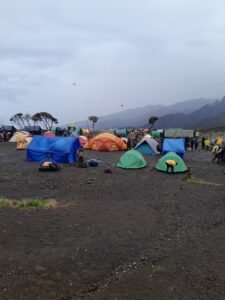
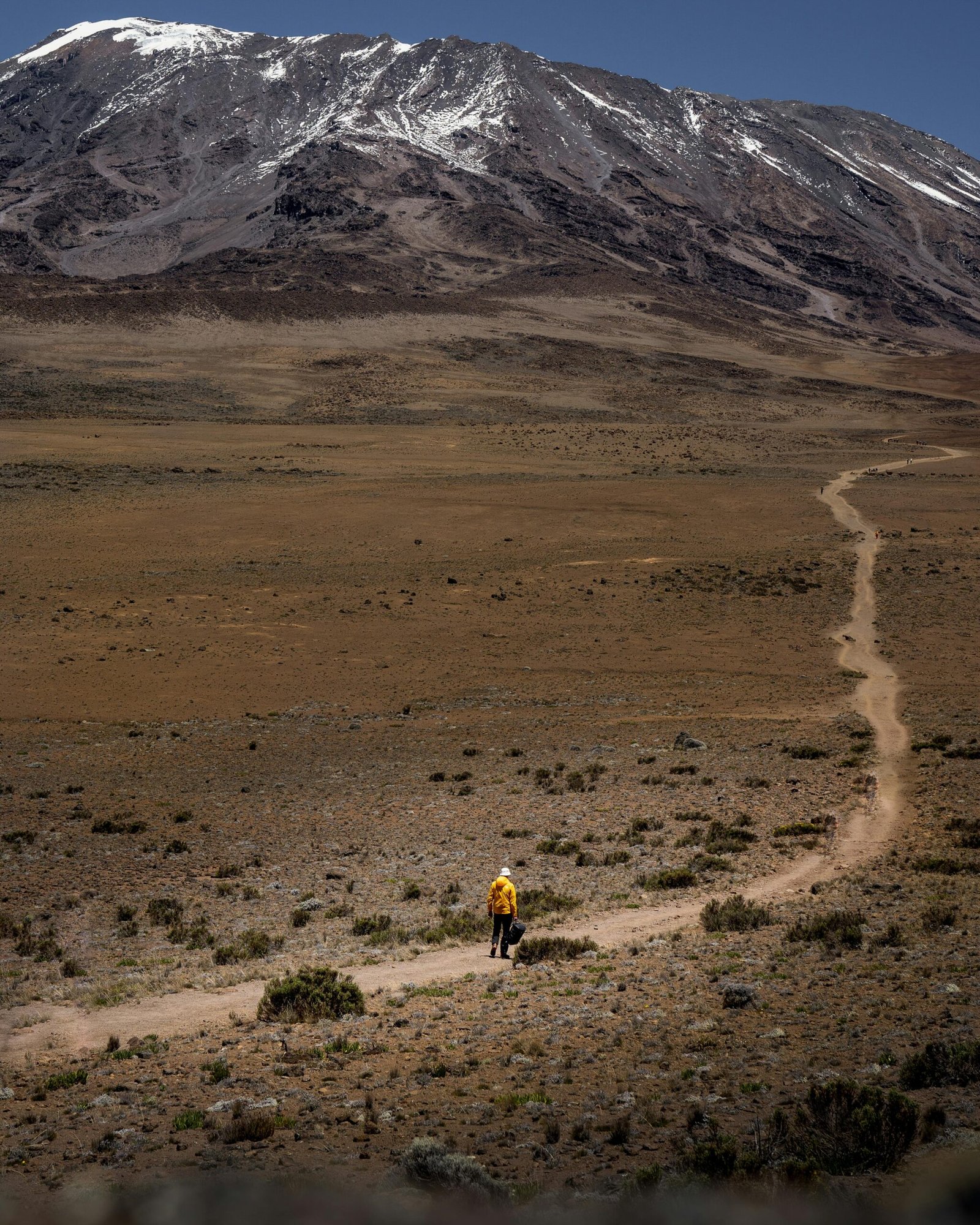
The trail climbs gradually through lush rainforest to the Shira Plateau. You leave dense trees behind and enter wide-open plains.
Day 3: Shira 1 Camp to Shira 2 Camp
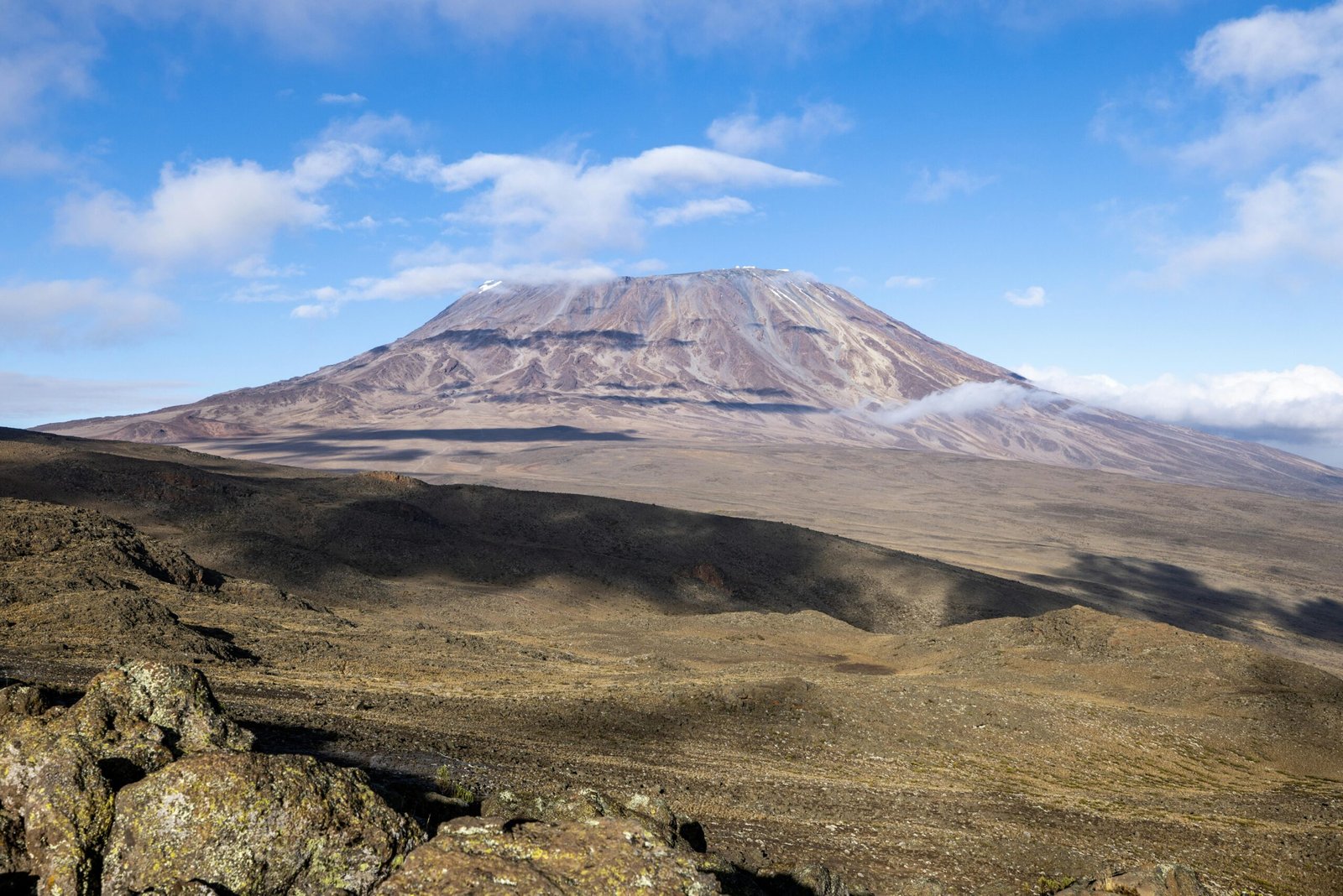
You explore the high plateau with its volcanic formations and unique vegetation. Shira 2 Camp offers excellent views of Kibo and Mawenzi peaks.
Day 4: Shira 2 Camp to Barranco Camp
The trail descends slightly into the lush Barranco Valley. You experience the dramatic landscape changes, including cliffs and rock formations.
Day 5: Barranco Camp to Karanga Camp
The trail climbs the famous Barranco Wall and enters the alpine desert. Karanga Camp is smaller but well-positioned for the summit push.
Day 6: Karanga Camp to Barafu Camp
You enter the final high-altitude camp, Barafu, at 4,600 meters. This is the preparation point for your summit attempt.
Day 7: Summit Day to Mweka Camp
You begin your climb at midnight to reach Uhuru Peak. After sunrise at the summit, you descend to Mweka Camp for your final night.
Day 8: Mweka Camp to Mweka Gate
The descent continues through rainforest to Mweka Gate. This marks the completion of your unforgettable adventure.
Success Rate of Lemosho Route
Lemosho has a higher summit success rate than Marangu or Rongai routes. The gradual ascent and longer itinerary allow your body to acclimatize better.
Tips to increase success:
- Choose 7–8 days itinerary
- Walk slowly (“pole pole”)
- Stay hydrated and eat well
- Listen to your guide’s advice
Best Time to Climb the Lemosho Route
The best periods are during the dry seasons:
- January to March – Clear skies and warm conditions
- June to October – Popular season, excellent summit conditions
Avoid the rainy seasons (April–May, November) to prevent slippery trails and poor visibility.
Lemosho Route Difficulty Level
The Lemosho Route is considered moderate to challenging. It is not technical, but it is physically demanding due to long days and high altitude.
Altitude sickness is the main challenge. Proper acclimatization and a slower pace are key to reaching the summit safely.
What Makes Lemosho Route Unique?
Lemosho stands out for its:
- Scenic diversity: Forest, moorland, desert, summit
- Longer itinerary options for high success
- Fewer crowds, more tranquility
- Gradual ascent to improve acclimatization
- Stunning sunrise and sunset views on the plateau
It is perfect for adventure seekers and photographers who want a less crowded, more scenic route.
Essential Gear for Lemosho Route
Proper packing ensures a successful trek. Essentials include:
- Warm layers and down jacket
- Waterproof jacket and pants
- Hiking boots and gaiters
- Sleeping bag (rated for cold temperatures)
- Headlamp and spare batteries
- Water bottles and hydration packs
- Trekking poles
Even though the route is moderate, temperatures can drop below freezing near the summit.
Tips for a Successful Lemosho Climb
- Start early each day to adjust pace
- Drink at least 3 liters of water per day
- Eat energy-rich meals
- Rest during acclimatization days
- Capture photos, but don’t rush the climb
Mental preparation is as important as physical fitness.
Combine Lemosho Route with Safari and Zanzibar
Many travelers combine the Lemosho Route with other Tanzania experiences:
- Serengeti National Park – Witness the Great Wildebeest Migration
- Ngorongoro Crater – Explore stunning landscapes and wildlife
- Zanzibar – Relax on tropical beaches after your climb
This combination creates a complete Tanzanian adventure.
Conclusion: Book Now Your Lemosho Route Adventure Today
The Lemosho Route offers a breathtaking, scenic, and successful climb to the roof of Africa. Its longer itinerary, gradual ascent, and natural beauty make it ideal for serious trekkers and beginners alike. Regulations and permit kilimanjaro national park
Stand on Uhuru Peak, experience unforgettable landscapes, and make memories that last a lifetime. Book your Lemosho Route Kilimanjaro adventure today.





Day 0: Arrival Day
Once you arrived at the airport, we will pick you up from Kilimanjaro Airport or Arusha Airport and transfer you to your hotel in Moshi.
Pre-trek briefing at your hotel. You should be planning to arrive at least one day before the start of the trek. Today we will spend in having a pre-trek briefing. We will also review your equipment and rent any equipment which is needed.
Itineraries
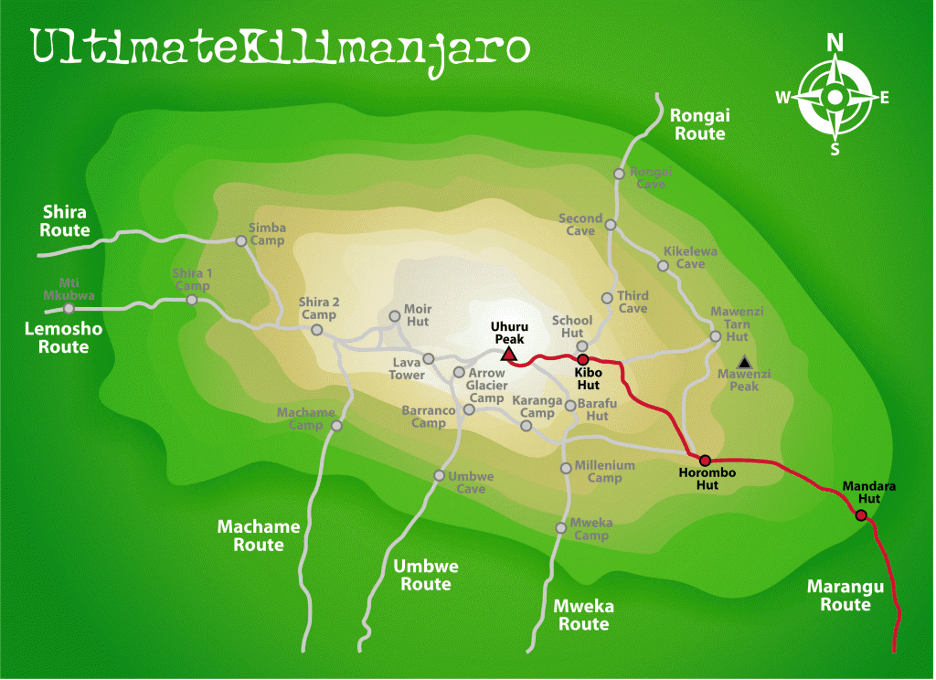
Day 1: Hotel to Mti Mkubwa Camp
Your Plan
After breakfast and briefing, drive to Lemosho Park Gate. From here a forest track requiring a 4WD vehicle leads to Lemosho Glades. Walk along forest trails to Mti Mkubwa (big tree) campsite.
Elevation: 1830m/6000ft to 2650m/8700ft
Distance: 6km/4mi
Hiking Time: 2-3 hours
Habitat: Montane Forest
Meals: Lunch and Dinner
Day 2: Mti Mkubwa Camp to Shira 1 Camp
Your Plan
After breakfast, we continue as the trail gradually steepens and enters the giant heather moorland zone. After several streams are crossed we continue over the Shira Ridge then gently downwards to Shira 1 camp located by a stream on the Shira Plateau.
Elevation: 2650m/8700ft to 3500m/11,500ft
Distance: 8km/5mi
Hiking Time: 4-5 hours
Habitat: Moorland
Meals: Breakfast, Lunch and Dinner
Day 3: Shira 1 Camp to Shira 2 Camp
Your Plan
After breakfast, a gentle hike across the plateau leads to Shira 2 camp on moorland meadows by a stream. A variety of hikes are available on the Plateau, making this an excellent acclimatization day.
Elevation: 3500m/11,500ft to 3850m/12,600ft
Distance: 8km/5mi
Hiking Time: 4-5 hours
Habitat: Moorland
Meals: Breakfast, Lunch and Dinner
Day 4: Shira 2 Camp to Barranco Camp
Your Plan
From the Shira Plateau we continue to the east up a ridge, passing the junction towards the peak of Kibo. As we continue, our direction changes to the South East towards the Lava Tower, called the “Shark’s Tooth” (elev 4650m/15,250ft). Shortly after the tower we come to the second junction which goes to the Arrow Glacier. We now continue down to the Barranco Camp. Although you end the day around the same elevation as when you began, this day is very important for acclimatization and will help your body prepare for summit day.
Elevation: 3850m/12,600ft to 4000m/13,000ft
Distance: 8km/5mi
Walking Time: 5-6 hours
Habitat: Semi-desert
Meals: Breakfast, Lunch and Dinner
Day 5: Barranco Camp to Karanga Camp
Your Plan
After breakfast, we leave Barranco and continue on a steep ridge up the Barranco Wall to the Karanga Valley and the junction which connects with the Mweka Trail.
Elevation: 4000m/13,000ft to 4050m/13,250ft
Distance: 5km/3mi
Climbing Time: 3-4 hours
Habitat: Alpine Desert
Meals: Breakfast, Lunch and Dinner
Day 6: Karanga Camp to Barafu Camp
Your Plan
We continue up to the Barafu Camp. You have completed the South Circuit, which offers views of the summit from many different angles. Here we make camp, rest, enjoy dinner, and prepare for the summit day.
Elevation: 4050m/13,250ft to 4700m/15,350ft
Distance: 4km/2mi
Climbing Time: 3-4 hours
Habitat: Alpine Desert
Meals: Breakfast, Lunch and Dinner
Day 7: Barafu Camp to Summit to Mweka Camp
Your Plan
Very early in the morning (midnight to 2 am), we continue our way to the summit between the Rebmann and Ratzel glaciers. You head in a northwesterly direction and ascend through heavy scree towards Stella Point on the crater rim. This is the most mentally and physically challenging portion of the trek. At Stella Point you will stop for a short rest and will be rewarded with the most magnificent sunrise you are ever likely to see. Faster hikers may view the sunrise from the summit.
From Stella Point, you may encounter snow all the way on your 1-hour ascent to the summit. Once at Uhuru Peak you have reached the highest point on Mount Kilimanjaro and the continent of Africa!
From the summit we begin our descent by continuing straight down to the Mweka Camp, stopping at Barafu for lunch. You may want gaiters and trekking poles for the loose gravel going down. We arrive at Mweka Camp and enjoy our last evening on the mountain.
Elevation: 4700m/15,350ft to 5895m/19,340ft
Down to 3090m/10,150ft
Distance: 5km/3mi up / 13km/8mi down
Hiking Time: 5-7 hours up / 5-6 hours down
Habitat: Stone scree and ice-capped summit
Meals: Breakfast, Lunch and Dinner
Day 8: Mweka Camp to Mweka Gate to Hotel
Your Plan
After breakfast we continue the descent down to the Mweka Park Gate to receive your summit certificates. At lower elevations, it can be wet and muddy. Gaiters and trekking poles will help. Shorts and t-shirts will probably be plenty to wear (keep rain gear and warmer clothing handy).
Our vehicle will be waiting for you at Mweka gate to drive you back to your hotel in Moshi (around 30 minutes).
Elevation: 3090m/10,150ft to 1680m/5500ft
Distance: 10km/6mi
Hiking Time: 3-4 hours
Habitat: Forest
Meals: Breakfast
Related Trips
The Marangu Route
The Marangu Route is also known as the “Tourist Route” and the “Coca-Cola Route.” This is because Marangu is the most popular route on the mountain, and thus is considered “touristy”, and because the route is the only one that offers sleeping huts, which serve beverages like Coca-Cola, on the way.

UMBWE ROUTE 6 DAYS
The Umbwe Route is a challenging and scenic 6-day trek up Mount Kilimanjaro, renowned for its steep ascent and less crowded trails. Starting at the Umbwe Gate, the journey swiftly climbs through dense rainforest, transitioning into moorland and alpine desert as you ascend.

SHIRA ROUTE 6 DAYS
The Kilimanjaro Climbing Shira Route is one of the most scenic and less crowded paths to the summit of Africa’s highest peak, Mount Kilimanjaro. The Shira Route begins on the western side of the mountain, offering trekkers a unique and breathtaking approach. Unlike other routes, the Kilimanjaro Climb Shira Route starts at a higher altitude, making it an exciting option for adventure seekers who want to experience the beauty of the Shira Plateau while gradually acclimatizing to the elevation.