

- Overview
- Trip Outline
- Gallery
- Reviews
- Price
Rongai Route Kilimanjaro: Complete Guide to the Northern Approach
Rongai Route is one of the most unique and scenic ways to climb Mount Kilimanjaro. Approaching the mountain from the north, near the Kenya border, it offers a quieter, less crowded alternative to the more popular southern routes.
Rongai is ideal for trekkers seeking adventure, a gentle climb, and breathtaking views of Africa’s highest peak at Uhuru Peak. Its gradual ascent increases the chances of a successful summit while giving trekkers a true wilderness experience.
Climb Africa’s highest mountain with a locally trusted Kilimanjaro operator recognized by travelers worldwide through excellent reviews on Tripadvisor and TourHQ.
Why Choose the Rongai Route to Climb Mount Kilimanjaro?
The Rongai Route is one of the best routes to climb Mount Kilimanjaro for trekkers seeking quieter trails, gradual acclimatization, and breathtaking northern views near the Kenya border. Unlike the busier southern routes, Rongai offers a peaceful wilderness experience with fewer crowds and a higher chance of summit success.
Known for its gentle ascent and scenic landscapes, the Rongai Route is ideal for beginners, nature lovers, and climbers looking for a less crowded Kilimanjaro trekking experience. From open plains and moorland to alpine desert and glaciers near Uhuru Peak, this route showcases a unique side of Africa’s highest mountain.
Rongai Route vs Marangu Route – Which Is Better?
The Rongai Route and Marangu Route are both popular choices for climbing Mount Kilimanjaro, but they offer different experiences.
Rongai Route
- Less crowded and more peaceful
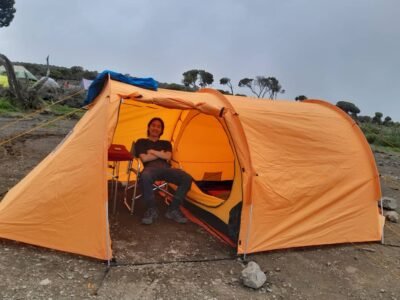
- Camping experience in nature
- Gradual ascent with good acclimatization
- Northern approach near the Kenya border
- More wilderness scenery
Marangu Route
- Hut accommodation instead of camping
- Shorter and more budget-friendly
- More crowded during peak seasons
- Easier logistics for beginners
Trekkers seeking solitude, scenic landscapes, and quieter trails often prefer the Rongai Route over the Marangu Route.
What Summit Night on the Rongai Route Feels Like
Summit night on Mount Kilimanjaro is the most challenging and emotional part of the journey. Around midnight, climbers leave Kibo Camp and begin the slow ascent toward Uhuru Peak under freezing temperatures and a sky full of stars.
The silence of the northern side of Kilimanjaro creates a peaceful atmosphere as climbers move slowly toward the summit guided by headlamps and experienced mountain guides. As sunrise appears above the clouds, the glaciers shine in golden light, creating one of the most unforgettable moments in Africa.
Standing at Uhuru Peak is more than reaching the highest point in Africa — it is a personal achievement that stays with you forever.
How Much Does the Rongai Route Cost?
The cost of climbing Mount Kilimanjaro via the Rongai Route depends on the itinerary length, travel season, group size, and level of service.
Budget Group Climbs
Affordable shared trekking experiences for travelers joining scheduled group departures.
Mid-Range Private Climbs
Ideal for couples, families, and private groups seeking personalized support and flexibility.
Luxury Kilimanjaro Packages
Premium trekking experiences with upgraded accommodation, private transfers, and enhanced mountain services.
Our Rongai Route packages include:
- Kilimanjaro National Park fees
- Professional mountain guides
- Camping equipment
- Porters and cooks
- Meals during the trek
- Rescue support and safety equipment
- Accommodation before and after the climb
We focus on safety, fair porter treatment, and high-quality service to ensure a successful summit experience.
Altitude Sickness on the Rongai Route
Altitude is the biggest challenge when climbing Mount Kilimanjaro. As elevation increases, oxygen levels decrease, making acclimatization extremely important for summit success.
Common symptoms of altitude sickness include:
- Headaches
- Nausea
- Fatigue
- Dizziness
- Shortness of breath
The Rongai Route is known for its gradual ascent profile, which allows climbers more time to adjust naturally to the altitude. This contributes to the route’s strong summit success rate.
Our experienced guides monitor climbers daily and prioritize safety throughout the expedition.
Kilimanjaro National Park Regulations and Permits
All climbers on Mount Kilimanjaro must follow regulations established by the Tanzania National Parks Authority (TANAPA).
Important regulations include:
- Climbers must use licensed mountain guides
- Park fees and rescue fees are mandatory
- Camping is only allowed in designated campsites
- Environmental conservation rules must be respected
- Climbers must follow park safety procedures
These regulations help protect Mount Kilimanjaro while supporting sustainable tourism and visitor safety.
Why Climb the Rongai Route With Us?
Choosing the right Kilimanjaro operator can make the difference between a difficult trek and a successful summit experience.
With Mangi Africa Tours and Safari Limited, you receive:
- Experienced local mountain guides
- High summit success rates
- Personalized support before and during the climb
- Professional safety monitoring
- Fair treatment and support for porters
- Quality camping equipment and nutritious meals
- Fast communication and reliable service
As a trusted Tanzania-based trekking company, we understand what it takes to safely guide climbers to Uhuru Peak while creating unforgettable mountain adventures.
Frequently Asked Questions About the Rongai Route
Is the Rongai Route good for beginners?
Yes. The Rongai Route is considered one of the best Kilimanjaro routes for beginners because of its gradual ascent and quieter trails.
How long does the Rongai Route take?
Most climbers complete the Rongai Route in 6–7 days for better acclimatization and summit success.
Is the Rongai Route crowded?
No. The Rongai Route is one of the quieter routes on Mount Kilimanjaro, making it ideal for trekkers seeking a peaceful climbing experience.
What is the success rate of the Rongai Route?
The Rongai Route has a strong summit success rate due to its gradual ascent and longer acclimatization profile.
Begin Your Rongai Route Adventure Today
The Rongai Route is more than just a climb — it is a journey through quiet wilderness, dramatic landscapes, and breathtaking views above the clouds.
Every step toward Uhuru Peak challenges your determination while rewarding you with unforgettable scenery and personal achievement. Whether you are climbing Mount Kilimanjaro for adventure, inspiration, or a lifelong dream, the Rongai Route offers one of the most peaceful and rewarding trekking experiences in Africa.
Let our experienced local team guide you safely to the summit of Mount Kilimanjaro and help turn your dream into reality.
What is the Rongai Route?
The Rongai Route begins at Rongai Gate on the northern side of Mount Kilimanjaro. It is less crowded than Machame or Marangu, offering more tranquility and scenic landscapes.
Unlike southern routes, Rongai has a drier climate, with less rainforest and more open savannah and moorland areas. Trekkers experience:
- Dry, open plains
- Lush moorland
- Alpine desert near the summit
- Panoramic views of Kibo and Mawenzi peaks
Rongai is a great choice for those who prefer a quieter climb with fewer trekkers.
Why Choose the Rongai Route?
The Rongai Route has several advantages:
- Quieter and less crowded: Ideal for solitude and peaceful trekking
- Gentler gradients: Gradual slopes improve acclimatization
- High summit success rate: Longer itineraries allow better altitude adjustment
- Diverse scenery: Forest, moorland, alpine desert, and panoramic peaks
- Flexible duration: Usually 6–7 days for better acclimatization
Rongai is especially recommended for trekkers who want a less touristy experience while maintaining a high chance of reaching Uhuru Peak.
Rongai Route Itinerary Overview
Most climbers choose a 6–7 day itinerary to maximize acclimatization and summit success.
Day 1: Rongai Gate to Simba Camp
The journey begins at Rongai Gate. You trek through open plains and dry forest. Simba Camp is your first night, nestled in peaceful surroundings.
Day 2: Simba Camp to Second Cave Camp
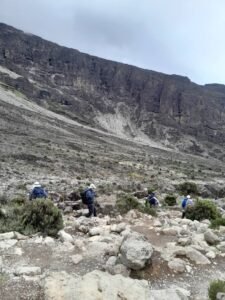
The trail climbs gradually through moorland, offering panoramic views of Mawenzi and Kibo peaks. Second Cave Camp is an ideal resting spot before higher altitudes.
Day 3: Second Cave Camp to Kikelewa Camp
You trek through the Shira Plateau, with unique volcanic landscapes and high-altitude flora. Kikelewa Camp provides excellent sunset views.
Day 4: Kikelewa Camp to Mawenzi Tarn Camp
You continue ascending through alpine desert to Mawenzi Tarn, situated near the impressive Mawenzi peak. This camp offers spectacular scenery and a good acclimatization day.
Day 5: Mawenzi Tarn to Kibo Camp
The trail becomes steeper as you reach the final high-altitude camp at Kibo. Prepare for the midnight summit attempt.
Day 6: Summit Day to Simba Camp
You start your climb at midnight and reach Uhuru Peak at sunrise. After celebrating at the summit, you descend to Simba Camp for your first night.
Day 7: Simba Camp to Rongai Gate
The final descent takes you through moorland back to Rongai Gate. This marks the completion of an unforgettable adventure.
Success Rate of Rongai Route
The Rongai Route has a high summit success rate due to its gradual ascent and 6–7 day itinerary.
Tips for a successful climb:
- Take the recommended 6–7 day itinerary
- Walk slowly and steadily (“pole pole”)
- Stay hydrated and eat energy-rich meals
- Listen to your guide’s advice
Proper pacing and acclimatization are key to reaching the summit safely.
Best Time to Climb the Rongai Route
The best periods to climb are during dry seasons:
- January to March – Clear skies and warm temperatures
- June to October – Popular trekking months with excellent summit conditions
Avoid the rainy seasons (April–May, November) for better trail conditions and safety.
Rongai Route Difficulty Level
Rongai is considered moderate. It is less steep than Machame or Lemosho but still physically challenging.
The main challenge is altitude. Proper acclimatization is essential to avoid altitude sickness. Overall, Rongai is suitable for beginners with good fitness or for trekkers who prefer a less crowded, gentler climb.
What Makes Rongai Route Unique?
The Rongai Route is unique for several reasons:
- Northern approach near the Kenya border
- Drier and less crowded trails
- Gentle gradient and gradual ascent
- Diverse scenery: forest, moorland, alpine desert
- Excellent sunrise and sunset views
Rongai offers a serene and scenic climbing experience. It is perfect for trekkers who want solitude and high summit success.
Essential Gear for Rongai Route
Proper packing ensures a successful trek:
- Warm clothing and down jacket
- Waterproof jacket and pants
- Hiking boots and gaiters
- Sleeping bag rated for cold temperatures
- Headlamp and spare batteries
- Trekking poles
- Water bottles and hydration packs
Temperatures drop significantly near the summit, so layered clothing is essential.
Tips for a Successful Rongai Climb
- Walk slowly to help acclimatization
- Drink at least 3 liters of water per day
- Eat high-energy meals
- Take rest days seriously
- Capture memories with photos but pace yourself
Mental strength is as important as physical preparation.
Combine Rongai Route with Safari and Zanzibar
Many travelers combine the Rongai Route with other Tanzanian adventures:
- Serengeti National Park – Witness the Great Wildebeest Migration
- Ngorongoro Crater – Explore Africa’s iconic caldera and wildlife
- Zanzibar – Relax on pristine beaches after your climb
This combination offers a complete Tanzanian adventure.
Conclusion: Book Now Your Rongai Route Adventure Today
The Rongai Route offers scenic landscapes, gentle slopes, and high summit success. With proper planning, professional guidance, and steady pacing, reaching Uhuru Peak is achievable.
Experience Africa’s highest peak, breathtaking views, and memories of a lifetime. Book your Rongai Route Kilimanjaro adventure today.
For regulation and more information visit kilimajaro National Park
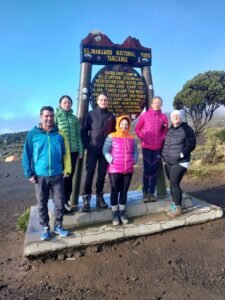
No details found.
Itineraries
Day 0: Arrival Day
Once you arrived at the airport, we will pick you up from Kilimanjaro Airport or Arusha Airport and transfer you to your hotel in Moshi.
Pre-trek briefing at your hotel. You should be planning to arrive at least one day before the start of the trek. Today we will spend in having a pre-trek briefing. We will also review your equipment and rent any equipment which is needed.
Day 1: Hotel to Simba Camp
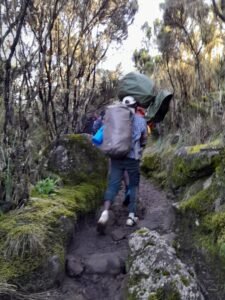
Drive to the attractive wooden village of Nale Moru. After signing in and preparing the porters, you will begin the hike on a wide path that winds through fields of maize and potatoes before entering pine forest. The track then starts to climb consistently but gently through attractive forest that shelters a variety of wildlife. The forest begins to thin out and the first camp is at the edge of the moorland zone with extensive views over the Kenyan plains.
Elevation: 2000m/6560ft to 2650m/8700ft
Distance: 6km/4mi
Hiking Time: 3-4 hours
Habitat: Montane Forest
Meals: Lunch and Dinner
Day 2: Simba Camp to Second Cave
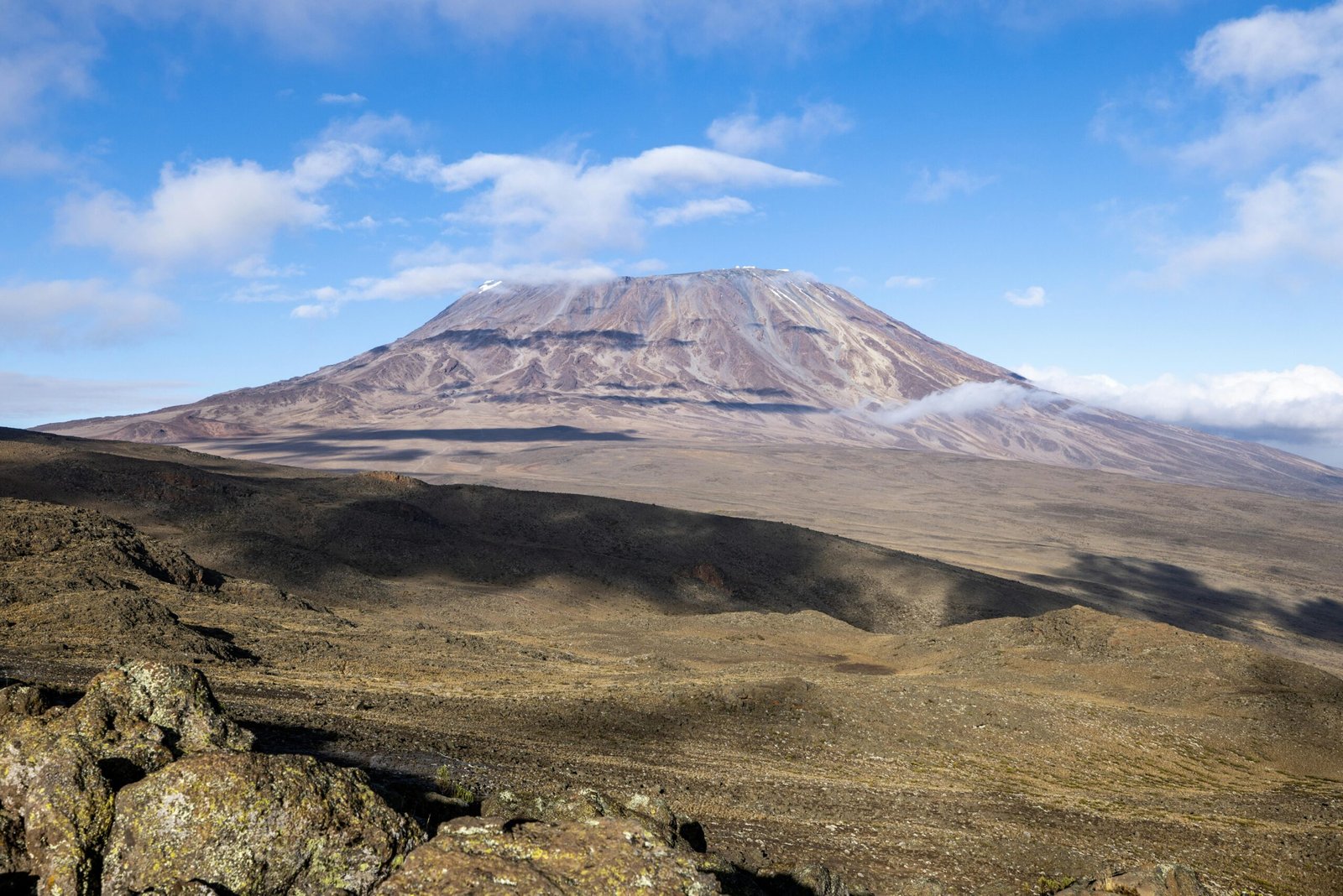
The morning hike is a steady ascent up to the Second Cave with superb views of Kibo and the Eastern ice fields on the crater rim.
Elevation: 2650m/8700ft to 3450m/11,300ft
Distance: 6km/4mi
Walking Time: 3-4 hours
Habitat: Moorland
Meals: Breakfast, Lunch and Dinner
Day 3: Second Cave to Kikelewa Camp
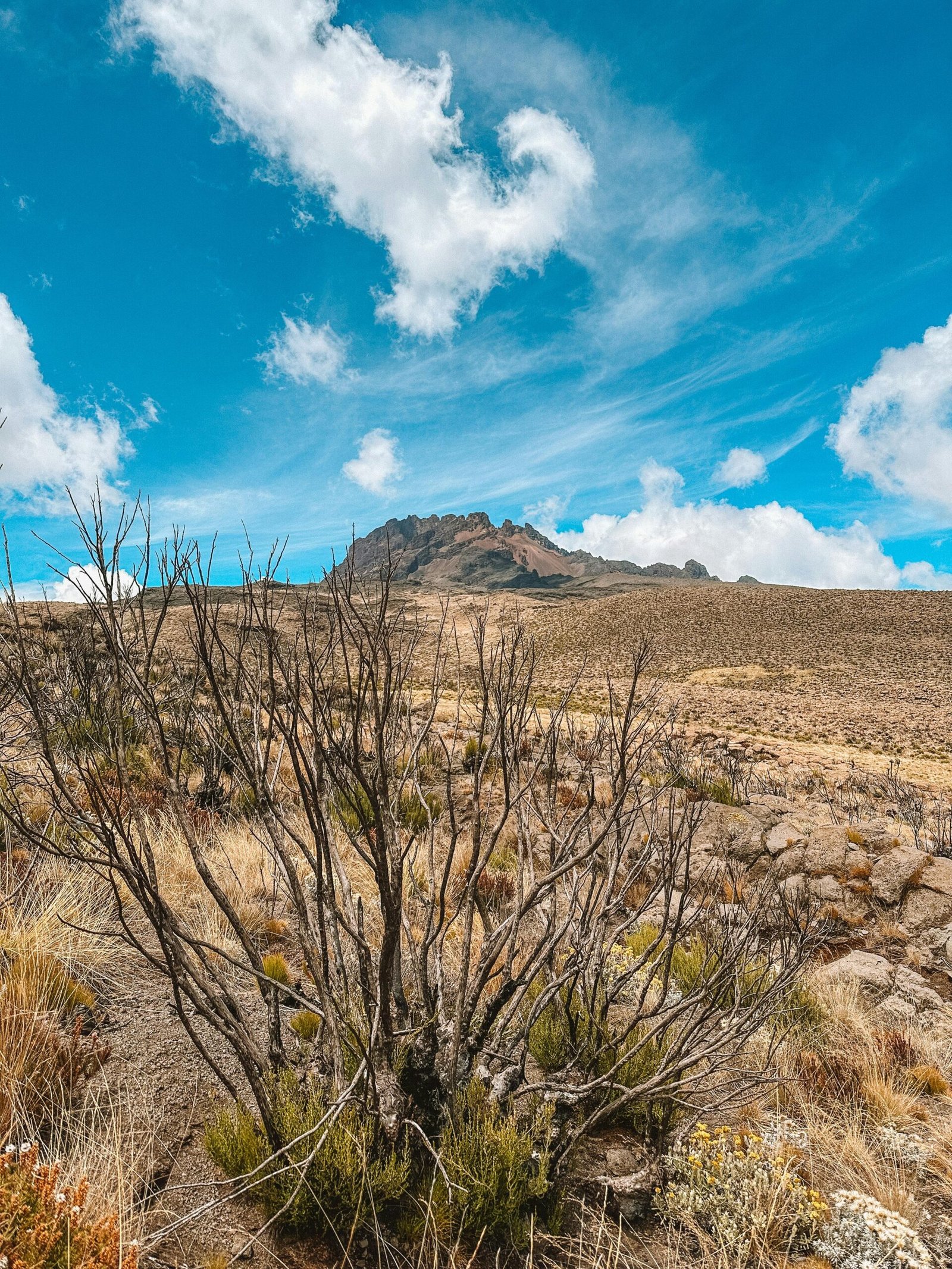
Head out across the moorland on a smaller path towards the jagged peaks of Mawenzi. The campsite is in a sheltered valley with giant Senecios nearby.
Elevation: 3450m/11,300ft to 3600m/11,800ft
Distance: 9km/5mi
Walking Time: 2-3 hours
Habitat: Semi-desert
Meals: Breakfast, Lunch and Dinner
Day 4: Kikelewa Camp to Mawenzi Tarn
A short but steep climb up grassy slopes is rewarded by superb views. Leave the vegetation behind shortly before reaching the next camp at Mawenzi Tarn, spectacularly situated in a cirque directly beneath the towering spires of Mawenzi. The afternoon will be free to rest or explore the surrounding area as an aid to acclimatization.
Elevation: 3600m/11,800ft to 4330m/14,200ft
Distance: 6km/4mi
Walking Time: 3-4 hours
Habitat: Semi-desert
Meals: Breakfast, Lunch and Dinner
Day 5: Mawenzi Tarn to Kibo Hut
Cross the lunar desert of the ‘Saddle’ between Mawenzi and Kibo to reach Kibo campsite at the bottom of the Kibo crater wall. The remainder of the day is spent resting in preparation for the final ascent very early.
Elevation: 4330m/14,200ft to 4750m/15,600ft
Distance: 9km/5mi
Hiking Time: 4-5 hours
Habitat: Alpine Desert
Meals: Breakfast, Lunch and Dinner
Day XDay 6: Kibo Hut to Summit to Horombo Hut
Your Plan
Very early in the morning (midnight to 2am), commence the climb to the summit on steep and heavy scree or snow up to Gilman’s Point located on the crater rim (elev 5700m/18,700ft). Continuing, we now ascend to Uhuru Peak, which is the highest point in Africa. There are unbelievable views at every turn. Have your picture taken at the summit to show your friends and family. From here we descend, stopping for lunch and a rest at Kibo before continuing on to the Horombo encampment.
The beginning of this climb is done in the dark and requires headlamps or flashlights. It will be very cold until you start descending, so you will need all of your warm layers. This is by far the most difficult part of the trek with many switchbacks. Going slowly “pole pole” and an optimistic attitude will get you there!
Elevation: 4700m/15,500ft to 5895m/19,340ft
Down to 3700m/12,200ft
Distance: 6km/4mi up / 15km/9mi down
Hiking Time: 6-8 hours up / 6-8 hours down
Habitat: Alpine Desert
Meals: Breakfast, Lunch and Dinner
Related Trips
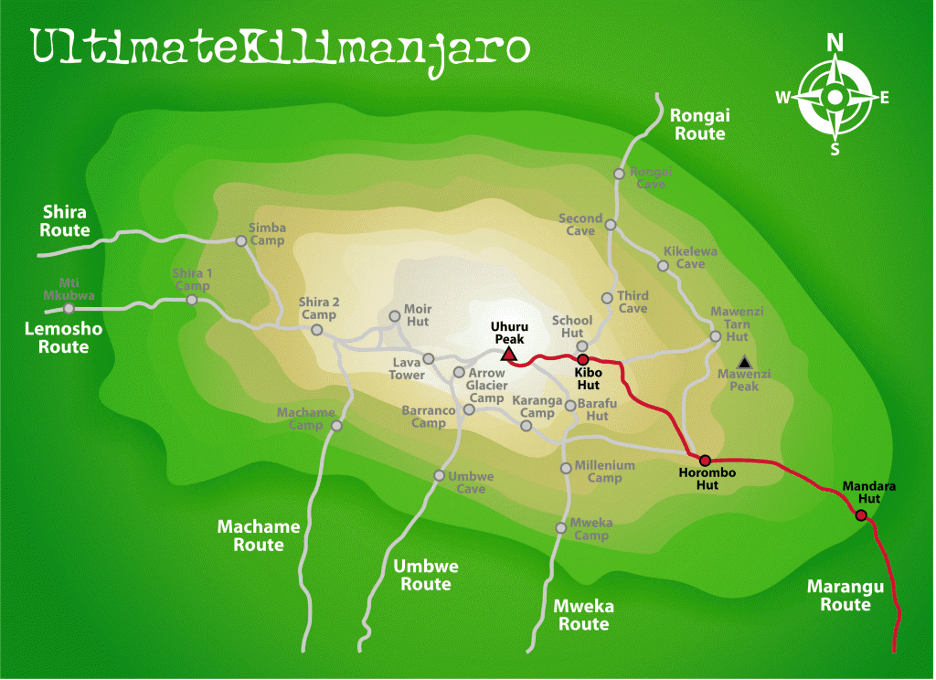
The Marangu Route
The Marangu Route is also known as the “Tourist Route” and the “Coca-Cola Route.” This is because Marangu is the most popular route on the mountain, and thus is considered “touristy”, and because the route is the only one that offers sleeping huts, which serve beverages like Coca-Cola, on the way.

UMBWE ROUTE 6 DAYS
The Umbwe Route is a challenging and scenic 6-day trek up Mount Kilimanjaro, renowned for its steep ascent and less crowded trails. Starting at the Umbwe Gate, the journey swiftly climbs through dense rainforest, transitioning into moorland and alpine desert as you ascend.
There are no reviews yet.