TANZANIA SAFARI OVERVIEW 2026/ 2027


Tanzania Safari Overview 2026/2027
A Journey Into the Last Great Wild Places
There is a moment that happens on nearly every safari in Tanzania.
It usually arrives quietly.
Not during the dramatic river crossings of the Serengeti.
Not when lions roar through the darkness beyond camp.
Not even during the first elephant sighting.
It comes unexpectedly.
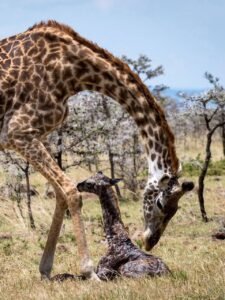
Perhaps while watching dust rise behind a line of giraffes walking through amber evening light.
Or sitting silently on the rim of Ngorongoro Crater before sunrise while mist curls across the forest below.
Or somewhere deep in Tarangire, where the only sound is dry grass brushing against the tires of the vehicle.
Trusted by travelers worldwide, Mangi Africa Tours and Safaris Limited continues to receive outstanding reviews on Tripadvisor and Tourhq for unforgettable Tanzania safari experiences.
And suddenly, without warning, the world feels older.
Slower.
Wilder.
Tanzania has that effect on people.
Not because it tries to impress you.
But because it doesn’t need to.
The landscapes carry a quiet authority here. The kind that existed long before roads, lodges, or safari itineraries. Life moves according to ancient rhythms — migration, drought, rain, instinct, survival.
And if you spend enough time out there, you begin to move with those rhythms too.
This is Tanzania in 2026 and 2027.
Raw. Immense. Beautiful beyond photographs.
And still one of the greatest safari destinations left on Earth.
Why Tanzania Continues to Define the African Safari
Across East Africa, there are many remarkable safari destinations. Kenya’s golden plains. Botswana’s waterways. Namibia’s deserts.
But Tanzania holds something different.
Scale.
The wilderness here feels endless.
The Serengeti alone stretches so far that travellers often underestimate it until they are physically inside it — driving hour after hour across open plains with no fences, no cities, no visible end to the horizon.
Then there is the Ngorongoro Crater.
A collapsed volcano so enormous and self-contained it almost feels mythical when first seen from the rim.
And beyond the famous parks, Tanzania still holds vast wild regions many travellers never reach:
- Katavi
- Ruaha
- Mahale Mountains
- Nyerere National Park
- Rubondo Island
Places where safari still feels exploratory.
Not staged.
Not crowded.
Just wild country.
Tanzania Safari in 2026/2027: What’s Changing?
Safari in Tanzania is evolving.
Slowly. Carefully.
The best operators are moving toward smaller camps, lower environmental impact, better-trained guides, and more meaningful cultural experiences.
Travellers themselves are changing too.
People are no longer looking only for “Big Five checklists.”
They want:
- slower travel
- fewer crowds
- authenticity
- conservation-focused experiences
- connection to local communities
- immersive wildlife encounters
And Tanzania is exceptionally well positioned for this new era of safari travel.
Especially in 2026 and 2027.
Because while tourism continues growing, enormous areas of Tanzania remain genuinely remote.
You can still drive for hours without seeing another vehicle.
You can still hear nothing at night except:
- hyenas calling
- wind moving through canvas
- distant lion roars
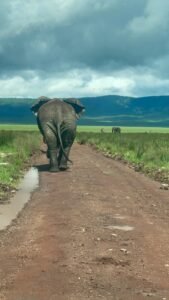
- the crack of branches under elephant feet
That silence has become rare in modern travel.
In Tanzania, it still exists.
The Northern Safari Circuit
Tanzania’s Most Famous Safari Route
For most first-time visitors, safari begins in Northern Tanzania.
This route combines several world-famous parks into one journey and remains the classic East African safari experience. All regulation are under Tanzania National Park.
The Main Parks of Northern Tanzania
| National Park | Known For |
|---|---|
| Serengeti National Park | Great Migration & predators |
| Ngorongoro Crater | Dense wildlife concentration |
| Tarangire National Park | Elephants & baobab trees |
| Lake Manyara National Park | Tree-climbing lions & birdlife |
| Arusha National Park | Walking safaris & Mount Meru views |
Together, these parks create one of the most diverse wildlife circuits in Africa.
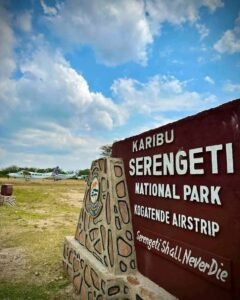
Serengeti National Park
Where Movement Never Truly Ends
The Serengeti changes people.
Not dramatically.
Quietly.
The first thing most travellers notice is space.
The plains stretch so far that distance becomes difficult to judge. Storms move visibly across the horizon hours before they arrive. Herds appear as dark smudges against gold grass.
Then the wildlife begins revealing itself.
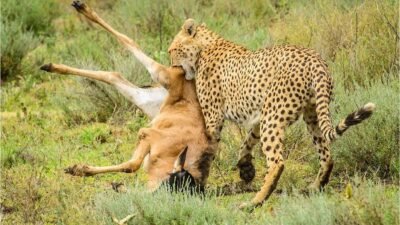
A cheetah standing on a termite mound.
Hyenas trotting through dawn mist.
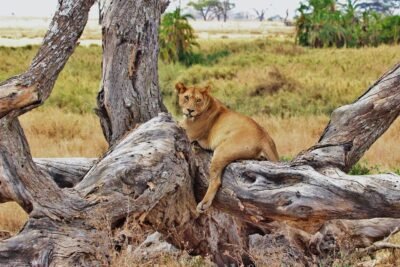
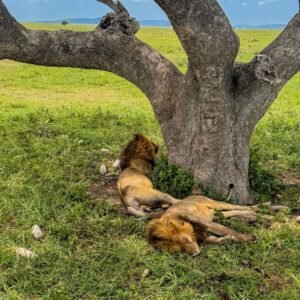
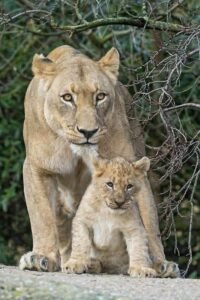
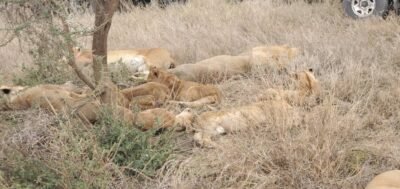
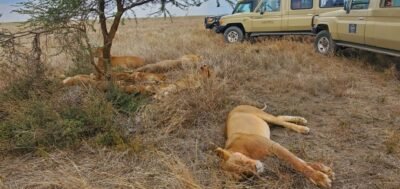
Lions sleeping beneath isolated acacia trees while vultures circle overhead.
And everywhere, movement.
Always movement.
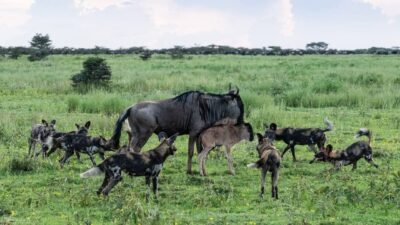
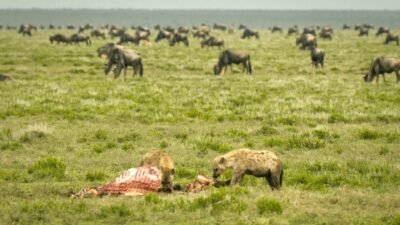
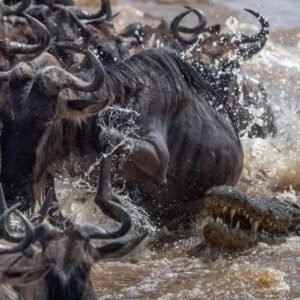
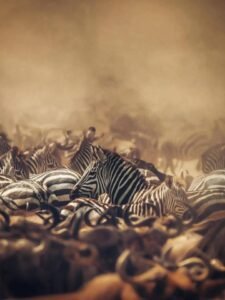
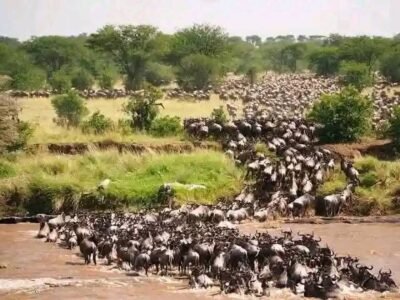
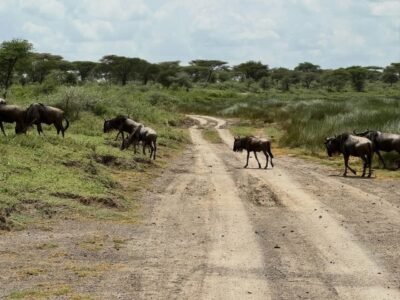
The Great Migration is not a single event. It is an ongoing cycle involving more than a million wildebeest, zebras, and gazelles moving across ecosystems in search of rain and fresh grazing.
No two years look exactly the same.
That unpredictability is part of what makes the Serengeti feel alive.
Field Note From the Plains
“People imagine the migration as chaos. But often it’s surprisingly quiet. Thousands of wildebeest standing still. Watching. Waiting. Then suddenly one animal moves, and the entire horizon begins flowing.”
— Safari guide near Seronera
Best Time to Visit Serengeti in 2026/2027
January to March
- Calving season in Southern Serengeti
- Predator activity intensifies
- Excellent photography light
April to May
- Green season
- Dramatic skies
- Fewer vehicles
- Beautiful landscapes
June to July
- Migration moves north
- River crossings begin
August to October
- Peak migration viewing
- Excellent dry-season wildlife
November to December
- Short rains
- Returning migration herds
- Rich green scenery
The truth is simple:
There is no bad time for Serengeti.
Only different moods.
Ngorongoro Crater
Africa’s Lost World
You arrive at the crater rim before sunrise.
Cold air.
Fog drifting through giant forest trees.
Almost no sound.
Then the clouds begin lifting.
And slowly, impossibly, the crater reveals itself.
From above, Ngorongoro looks unreal.
A complete ecosystem enclosed within ancient volcanic walls nearly 600 meters high. Grasslands, lakes, swamps, forests, rivers — all contained inside one enormous natural amphitheater.
Wildlife density here is extraordinary.
Lions rest beside roads. Buffalo gather in massive herds. Flamingos paint the lakes pink. Hyenas patrol constantly.
And somewhere in the distance, perhaps if luck allows, a black rhino moves through morning haze.
Ngorongoro is not merely scenic.
It feels ancient.
Like a world preserved outside normal time.
Tarangire National Park
The Quiet Giant of Northern Tanzania
Many travellers arrive in Tarangire without expectations.
And many leave calling it their favorite park.
Tarangire does not overwhelm immediately like the Serengeti. Its beauty reveals itself gradually.
The light here feels softer.
The landscapes more intimate.
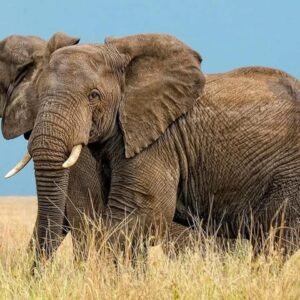
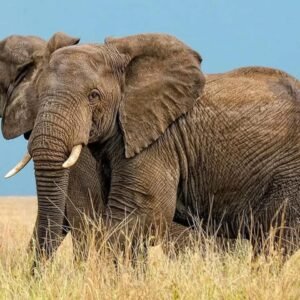
Ancient baobab trees rise from the earth like weathered monuments. Dry riverbeds cut through golden bushland. Elephants move silently between acacia woodland and swamps.
During peak dry season, Tarangire hosts enormous elephant concentrations.
Not dozens.
Sometimes hundreds.
Watching them gather along the Tarangire River in late afternoon light is one of the great wildlife spectacles in East Africa.
Lake Manyara National Park
Small Park, Unexpected Drama
Lake Manyara feels different from the other northern parks.
Lusher.
Greener.
The groundwater forest near the entrance hums with insects and bird calls. Blue monkeys leap through fig trees overhead while baboons line the roadside in astonishing numbers.
Then suddenly the forest opens.
The Rift Valley escarpment rises dramatically beside the lake.
And the landscape transforms again.
Manyara is famous for:
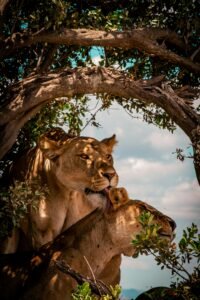
- tree-climbing lions
- flamingos
- elephants
- hippos
- dense birdlife
But what many travellers remember most is atmosphere.
The shifting ecosystems.
The feeling that the park keeps changing around every corner.
Beyond the Northern Circuit
Tanzania’s Wild South & West
For returning safari travellers in 2026/2027, Southern and Western Tanzania are becoming increasingly attractive.
These regions offer:
- fewer vehicles
- larger wilderness
- more exclusive safari experiences
- exceptional guiding
- walking safaris
- boat safaris
- chimpanzee trekking
Ruaha National Park
Ruaha feels immense and untamed.
Massive lion prides patrol rocky escarpments while elephants move through baobab valleys and dry river systems.
The predator interactions here are extraordinary.
And because visitor numbers remain relatively low, sightings often feel deeply personal.
Nyerere National Park
Formerly part of the Selous Game Reserve, Nyerere offers one of Africa’s best combinations of:
- river safaris
- walking safaris
- classic game drives
Watching elephants cross channels at sunset from a small boat is a very different safari experience from the northern plains.
Slower.
More intimate.
Mahale Mountains National Park
Then there is Mahale.
Remote forests on the shores of Lake Tanganyika where chimpanzees move through mountain jungle.
Reaching Mahale requires effort.
Flights. Boats. Patience.
But for many experienced Africa travellers, it becomes the most unforgettable wildlife experience of all.
Because chimpanzee encounters feel startlingly personal.
Human almost.
A glance through forest shadows can stay with someone for years.
Safari Accommodation in Tanzania
From Canvas Camps to Remote Luxury Lodges
Accommodation shapes safari more than many first-time travellers expect.
The difference between hearing lions from a canvas tent and sleeping inside a large hotel-style lodge is enormous emotionally.
Tanzania offers every style:
- budget camping
- mid-range tented camps
- luxury lodges
- ultra-exclusive mobile camps
But the most memorable camps often share one quality:
Connection to wilderness.
Not excessive luxury.
Some of the finest safari evenings happen around:
- campfires
- lantern-lit dinners
- quiet conversations beneath stars
- distant animal sounds beyond camp
Safari becomes less about schedules.
And more about atmosphere.
The Role of Safari Guides
The People Who Shape the Entire Experience
A great safari guide changes everything.
The best guides in Tanzania do far more than spot animals.
They interpret landscapes.
They read tracks in dust.
Notice alarm calls.
Understand shifting weather.
Predict movement.
Explain behavior without overwhelming the moment.
And importantly, they understand silence.
Experienced guides know when not to speak.
When to simply let travellers watch elephants crossing a dry riverbed in complete stillness.
In Tanzania, guiding traditions run deep.
Many of the finest guides grew up near wildlife areas themselves. Their understanding of bush behavior comes not only from training, but from lifelong familiarity with these ecosystems.
Wildlife Beyond the Big Five
First-time travellers often arrive focused entirely on:
- lions
- leopards
- elephants
- rhinos
- buffalo
And yes, the Big Five matter.
But safari becomes richer when attention expands beyond them.
The small details begin standing out:
- dung beetles rolling impossibly perfect spheres
- lilac-breasted rollers flashing electric colors
- giraffes moving like slow ships through dust
- hyenas communicating through eerie vocalizations
- elephant family dynamics
- shifting migration patterns
Eventually many travellers realize something surprising:
Safari is not only about animals.
It is about awareness.
Learning to notice.
A Typical Safari Day in Tanzania
Early Morning
Before sunrise, camps begin stirring quietly.
Coffee.
Cold air.
Soft lantern light.
Then vehicles head into darkness while nocturnal predators still move through the bush.
This is often the best wildlife viewing period.
Lions returning from hunts.
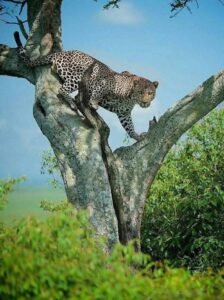
Leopards descending trees.
Hyenas disappearing into morning mist.
Midday
By late morning, heat builds.
Animals slow down.
Safari shifts pace too.
Lunch beneath acacia trees.
Conversations in camp.
Perhaps a short rest while distant birds call through dry grass.
Evening Game Drive
As temperatures cool, the bush comes alive again.
Golden light transforms the landscape.
This final hour before darkness is what photographers chase constantly.
Dust glowing orange behind elephant herds.
Long shadows across the plains.
Predators becoming active once more.
Then darkness arrives quickly.
And campfires begin glowing across the bush.
Safari and Conservation in 2026/2027
Conservation remains one of the defining issues facing East African tourism.
Tanzania protects enormous wildlife areas, but these ecosystems still face pressures:
- climate change
- human expansion
- poaching pressures
- habitat fragmentation
Responsible tourism matters.
Not as a marketing phrase.
But as a practical reality.
Well-managed safari tourism helps support:
- ranger programs
- local employment
- anti-poaching operations
- community partnerships
- habitat protection
Travellers increasingly want their safaris to contribute positively to these landscapes.
And many Tanzanian operators are responding thoughtfully.
Combining Safari With Zanzibar
After days of dust, wildlife, and early mornings, Zanzibar feels almost dreamlike.
Warm Indian Ocean air.
White beaches.
Traditional dhow boats.
Spice farms.
Swahili culture shaped by centuries of trade.
The contrast works beautifully.
Many 2026/2027 itineraries now combine:
- Northern Tanzania safari
- Zanzibar beach relaxation
- cultural experiences
- marine activities
It creates a more complete East African journey.
Wild bush and ocean calm.
What Tanzania Safari Costs in 2026/2027
Safari pricing varies enormously depending on:
- season
- accommodation level
- group size
- domestic flights
- park fees
- vehicle type
Generally:
| Safari Style | Estimated Range |
|---|---|
| Budget Camping Safari | Lower cost |
| Mid-Range Lodge Safari | Moderate pricing |
| Luxury Safari | High-end |
| Fly-In Exclusive Safari | Premium pricing |
One important reality:
Tanzania is not the cheapest safari destination in Africa.
Its park fees and conservation costs are significant.
But many travellers feel the depth of wilderness and quality of wildlife experiences justify the investment.
What First-Time Safari Travellers Often Misunderstand
Safari is not a zoo.
Animals disappear.
Weather changes.
Some game drives are quiet.
Others become unforgettable.
The unpredictability is the experience.
In fact, many seasoned travellers later realize their favorite safari memories were not dramatic predator sightings at all.
But smaller moments:
- hearing lions at night
- watching elephant families interact
- drinking coffee while giraffes pass camp
- seeing stars untouched by city light
- feeling completely removed from modern noise
Safari changes the pace at which people observe the world.
That may be its greatest gift.
Suggested Safari Experiences for 2026/2027
Best for First-Time Visitors
- Northern Circuit Safari
- Serengeti + Ngorongoro + Tarangire
Best for Wildlife Photographers
- Southern Serengeti calving season
- Northern migration crossings
- Ruaha predator safaris
Best for Couples & Honeymooners
- Luxury tented camps
- Safari + Zanzibar combination
Best for Experienced Safari Travellers
- Western Tanzania
- Walking safaris
- Chimpanzee trekking
Best for Families
- Private guided safaris
- Flexible itineraries
- Child-friendly lodges
Final Reflections
Why Tanzania Stays With People
Long after safari ends, certain memories remain strangely vivid.
The smell of dust after brief rain.
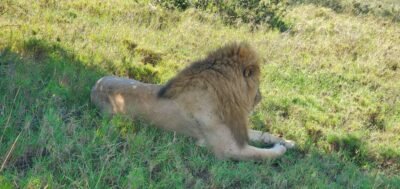
A lion’s silhouette against sunset.
The sound of thousands of wildebeest moving through darkness.
Coffee beside a campfire before dawn.
Elephants appearing silently between baobab trees.
Tanzania leaves impressions that are difficult to explain fully afterward.
Perhaps because safari here does not feel manufactured.
It feels ancient.
Real.
Wild in ways much of the modern world no longer is.
And in 2026 and 2027, while East Africa continues changing, Tanzania still offers something increasingly rare:
The feeling that nature remains larger than us.
For travellers seeking not only wildlife sightings, but perspective, atmosphere, and genuine connection to the natural world, Tanzania remains one of the most extraordinary journeys on Earth.
And once experienced, it rarely leaves people completely. Book now your safari.